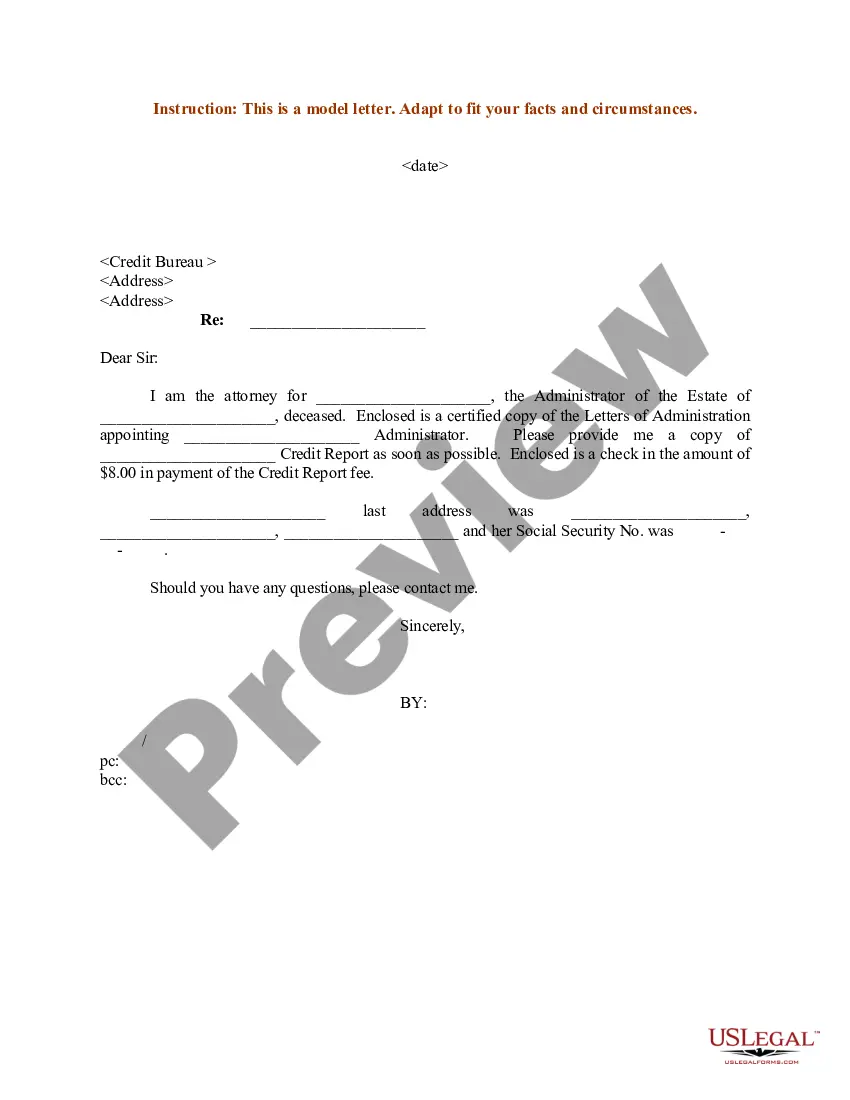
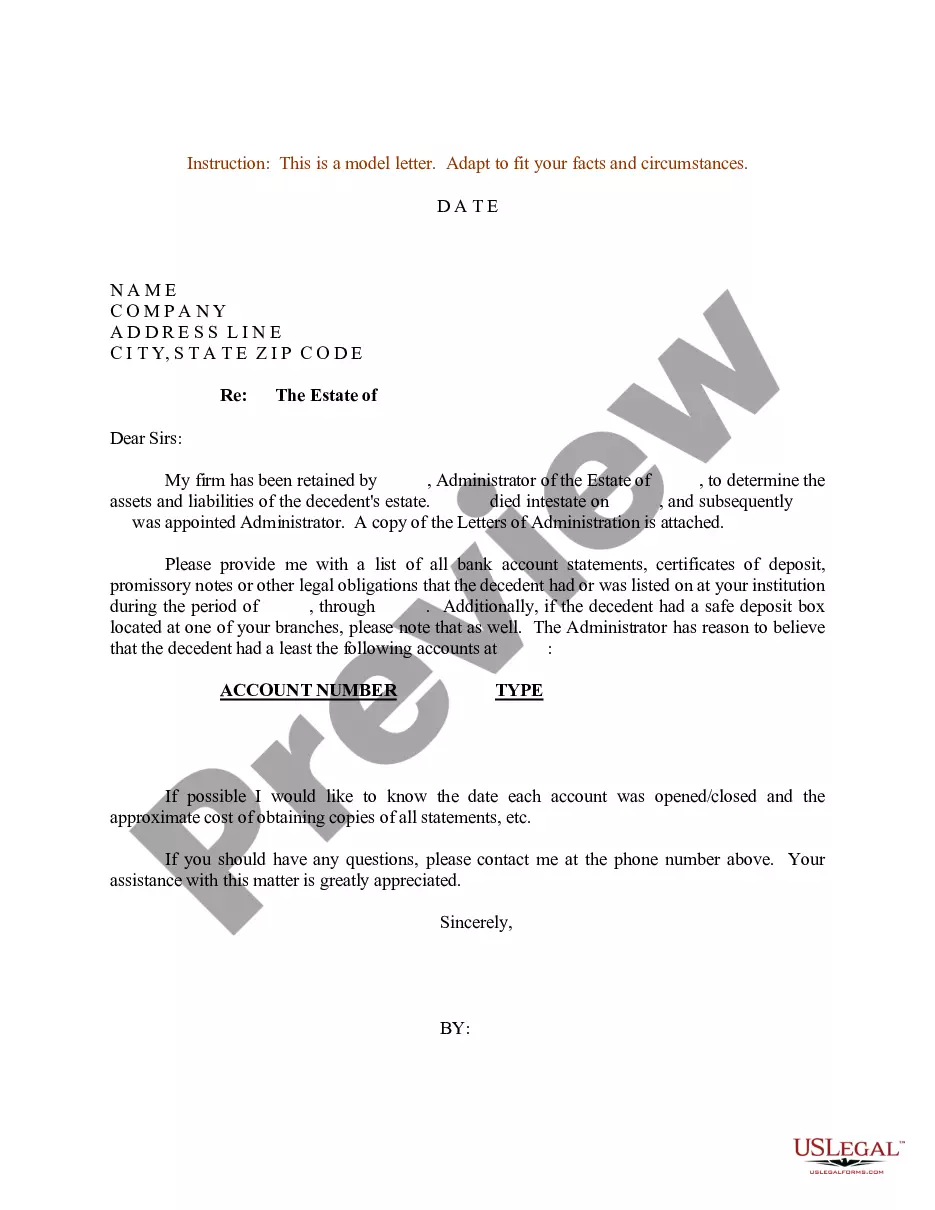
Letter To Close Account After Death Without Will In Bronx
Description



Get your form ready online
Our built-in tools help you complete, sign, share, and store your documents in one place.
Make edits, fill in missing information, and update formatting in US Legal Forms—just like you would in MS Word.
Download a copy, print it, send it by email, or mail it via USPS—whatever works best for your next step.
Sign and collect signatures with our SignNow integration. Send to multiple recipients, set reminders, and more. Go Premium to unlock E-Sign.
If this form requires notarization, complete it online through a secure video call—no need to meet a notary in person or wait for an appointment.
We protect your documents and personal data by following strict security and privacy standards.

Make edits, fill in missing information, and update formatting in US Legal Forms—just like you would in MS Word.

Download a copy, print it, send it by email, or mail it via USPS—whatever works best for your next step.

Sign and collect signatures with our SignNow integration. Send to multiple recipients, set reminders, and more. Go Premium to unlock E-Sign.

If this form requires notarization, complete it online through a secure video call—no need to meet a notary in person or wait for an appointment.

We protect your documents and personal data by following strict security and privacy standards.
Looking for another form?






Form popularity
FAQ
Your valid ID, such as a state-issued driver's license or ID card, U.S. passport, or military ID. Proof of death, such as certified copies of the death certificate. Documentation about the account and its owner, including the deceased's full legal name, Social Security number, and the bank account number.
The probate court will appoint an executor or administrator if one is not named in the deceased's will or if the deceased didn't leave a will. This person will have the authority to close the deceased accounts and distribute the funds therein to heirs and creditors.
CLOSING THE ESTATE: FORM 207.42 must be prepared and executed by the fiduciary and the attorney and filed after 7 months or by the end of 2 years from the date of fiduciary appointment. RELEASES from all beneficiaries of the estate must be executed and filed at this time, if not already filed.
In California, an account holder should complete a Totten trust document. A Totten Trust is a payable-on-death account with a named beneficiary. When the account owner dies, the contents of the Totten Trust automatically pass to the beneficiary.
New York State laws have created a framework for passing on property when someone dies intestate. Instead of a probate proceeding, the closest living relative of the decedent (the person who died) will have to file for estate administration. This generally falls to the spouse, children, parents, or siblings.
Letters of Administration will need to be obtained which requires filing a petition and many other documents with the Court. The petition for Letters of Administration is filed in the Surrogate's Court in the county where the decedent lived.
Getting started with probate in New York New York does not have a deadline for this, as other states do, but it is helpful to take this action as soon as possible to begin the process, especially if you will be going through full probate.
Basic identification & documentation Your valid ID, such as a state-issued driver's license or ID card, U.S. passport, or military ID. Proof of death, such as certified copies of the death certificate.
