Decedent Account Bank Withdrawal In Bexar
Description


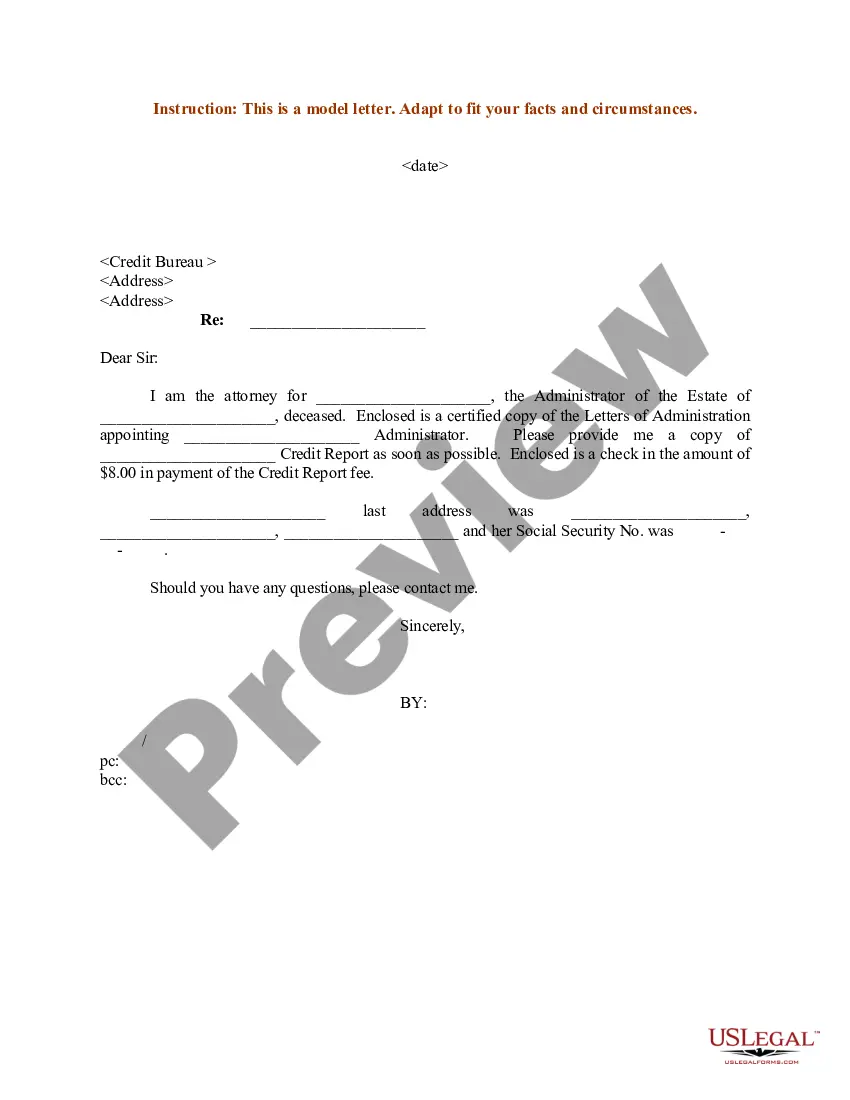

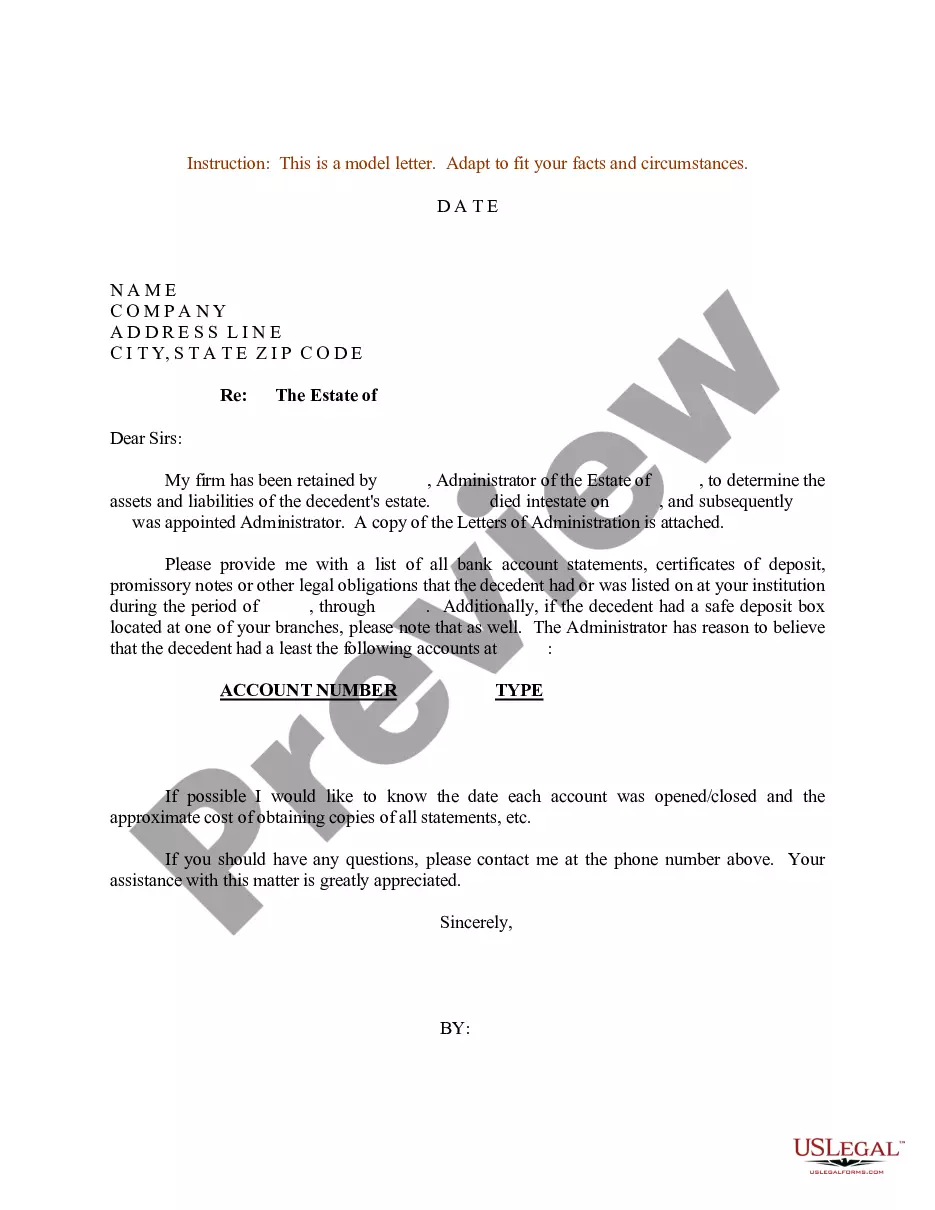
Get your form ready online
Our built-in tools help you complete, sign, share, and store your documents in one place.
Make edits, fill in missing information, and update formatting in US Legal Forms—just like you would in MS Word.
Download a copy, print it, send it by email, or mail it via USPS—whatever works best for your next step.
Sign and collect signatures with our SignNow integration. Send to multiple recipients, set reminders, and more. Go Premium to unlock E-Sign.
If this form requires notarization, complete it online through a secure video call—no need to meet a notary in person or wait for an appointment.
We protect your documents and personal data by following strict security and privacy standards.

Make edits, fill in missing information, and update formatting in US Legal Forms—just like you would in MS Word.

Download a copy, print it, send it by email, or mail it via USPS—whatever works best for your next step.

Sign and collect signatures with our SignNow integration. Send to multiple recipients, set reminders, and more. Go Premium to unlock E-Sign.

If this form requires notarization, complete it online through a secure video call—no need to meet a notary in person or wait for an appointment.

We protect your documents and personal data by following strict security and privacy standards.
Looking for another form?









Form popularity
FAQ
Court Registry means both the Civil and Criminal Registries of the Court and also refers to the Court Staff working in the Court Registry.
How do you get account access after someone dies in Texas? Four Steps: Talk with the bank. Tell the bank that the account holder died, tell the bank who you are, and ask them what documentation they need from you. Give the bank a death certificate. Contact a probate attorney. If it's a joint account or “P.O.D.” account…
In Texas, the small estate affidavit must be filed with the court and the court must approve the affidavit. After the court has approved the affidavit, it can be presented to a bank, organization or person, which then has to release the assets to the person with the affidavit.
Complete the affidavit: Fill out the form with the decedent's information, a list of their assets and the names and addresses of all heirs or beneficiaries. Notarize the affidavit: Sign the completed affidavit in front of a notary public. Some states might also require additional witnesses.
Exempt property includes: The homestead for the use and benefit of a surviving spouse and minor children. Up to $100,000 ($50,000 for a single adult) worth of property intended for the use and benefit of a spouse, minor children, unmarried adult children still living at home, and incapacitated adult children.
Who can access and close the deceased's bank account? The executor named in the will can do this, or if no executor has been nominated, the administrator (main beneficiary). They'll contact the bank in question with proof of death to begin the process. The Death Certificate is typically accepted as proof.
The beneficiary generally does not need to hire a lawyer or file anything in court to access the funds. They should be able to simply present the bank with proof of the death (e.g. a death certificate) as well as proof of their own identity, and the bank should release the funds directly to them.
State laws, rather than local county laws, dictate whether you are eligible to change your name, but you must initiate your civil suit by filing documents with the Bexar County District Clerk. The Civil Filing Main Line phone number is (210) 335-2621. The Bexar County District Clerk's Office is located at 101 W.
