Account Estate Bank Without Pan Card In Bexar
Description




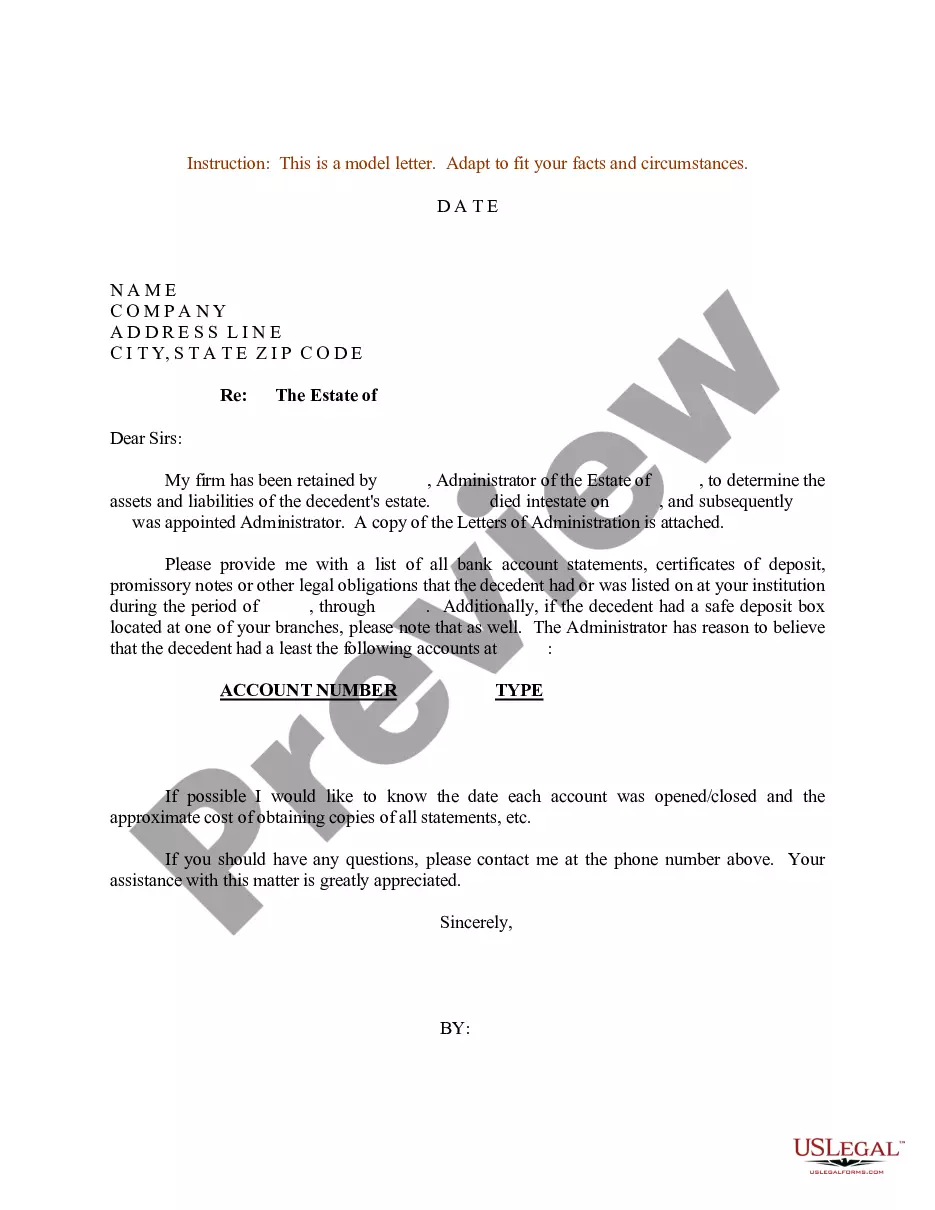
Get your form ready online
Our built-in tools help you complete, sign, share, and store your documents in one place.
Make edits, fill in missing information, and update formatting in US Legal Forms—just like you would in MS Word.
Download a copy, print it, send it by email, or mail it via USPS—whatever works best for your next step.
Sign and collect signatures with our SignNow integration. Send to multiple recipients, set reminders, and more. Go Premium to unlock E-Sign.
If this form requires notarization, complete it online through a secure video call—no need to meet a notary in person or wait for an appointment.
We protect your documents and personal data by following strict security and privacy standards.

Make edits, fill in missing information, and update formatting in US Legal Forms—just like you would in MS Word.

Download a copy, print it, send it by email, or mail it via USPS—whatever works best for your next step.

Sign and collect signatures with our SignNow integration. Send to multiple recipients, set reminders, and more. Go Premium to unlock E-Sign.

If this form requires notarization, complete it online through a secure video call—no need to meet a notary in person or wait for an appointment.

We protect your documents and personal data by following strict security and privacy standards.
Looking for another form?
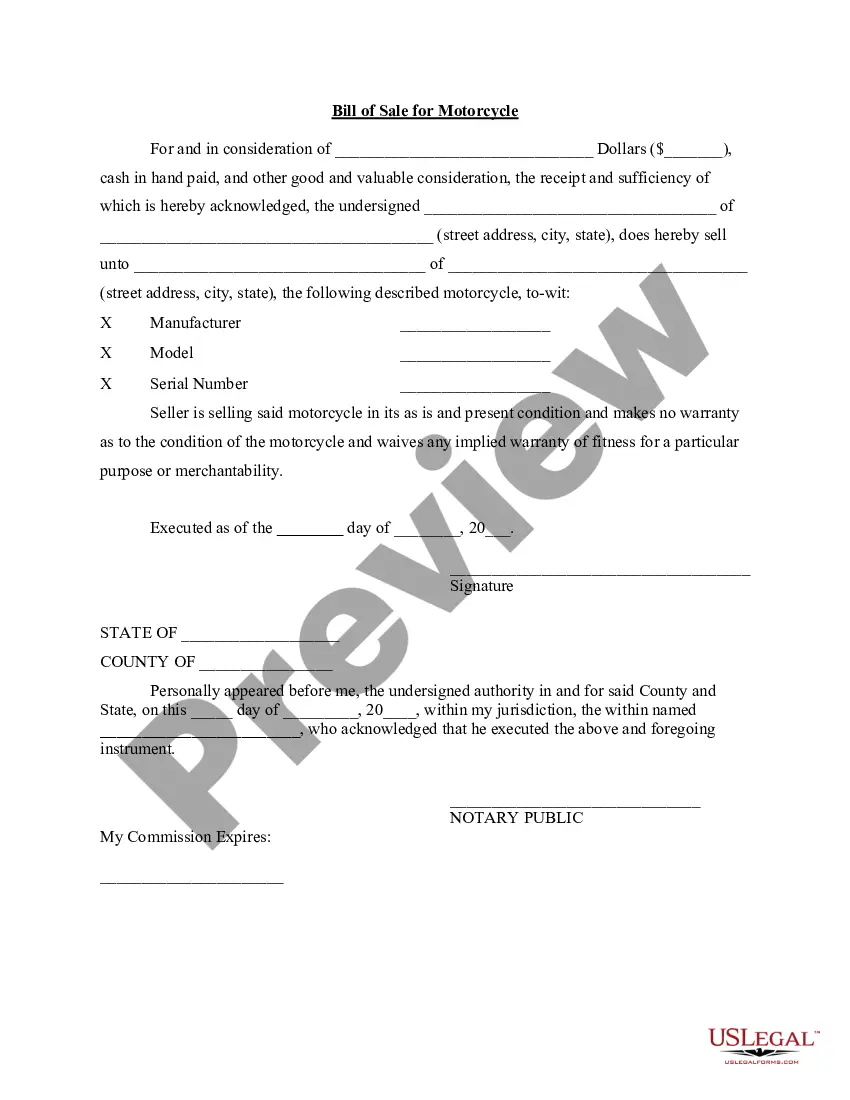






Form popularity
FAQ
How to open an estate account Step 1: Begin the probate process. The steps for beginning this process depend on the state in which the deceased person resided. Step 2: Obtain a tax ID number for the estate account. Step 3: Bring all required documents to the bank. Step 4: Open the estate account.
The small estate affidavit applies only to estates valued at $75,000 or less, excluding specific exempt properties. The following items do not count toward this limit: Homestead: The primary residence of the deceased. Personal Property: Certain exemptions include items like family heirlooms or vehicles.
Also, there are some assets that cannot be transferred using an affidavit. For example, bank and financial accounts cannot be transferred using this affidavit. A probate is usually needed if there are bank or financial accounts that one cannot access.
The following information is needed to open an Estate Account: Original or Certified copy of appointment papers - including any of the following as applicable. Letters of Testamentary. Probate court documents. Domiciliary letters. Obtain and present an Employer Identification Number (EIN) issued for the estate.
In Texas, the small estate affidavit must be filed with the court and the court must approve the affidavit. After the court has approved the affidavit, it can be presented to a bank, organization or person, which then has to release the assets to the person with the affidavit.
If the judge is satisfied with the truthfulness and completeness of the Affidavit, he or she will sign an order approving the Small Estate Affidavit. The Small Estate Affidavit and Order approving it are then automatically picked up in the official public records for that county.
If you're looking for a simple way to get a deceased person's property and you qualify to use a small estate affidavit, you should use it. The process is quick and relatively painless. For example, using a small estate affidavit for a bank account can be as simple as filling out a form and giving it to the bank.
The following information is needed to open an Estate Account: Original or Certified copy of appointment papers - including any of the following as applicable. Letters of Testamentary. Probate court documents. Domiciliary letters. Obtain and present an Employer Identification Number (EIN) issued for the estate.
In Texas, bank accounts generally do not go through probate. This means that if you have a bank account in Texas, your loved ones will not have to go through the hassle and expense of Probate Court in order to access your account after you die.
What documents do you need to open an estate account? A certified or notarized copy of the death certificate. Court documents that name you as the personal representative or executor of the estate. Identifying documents that verify your identity as the executor, like a driver's license or passport.
