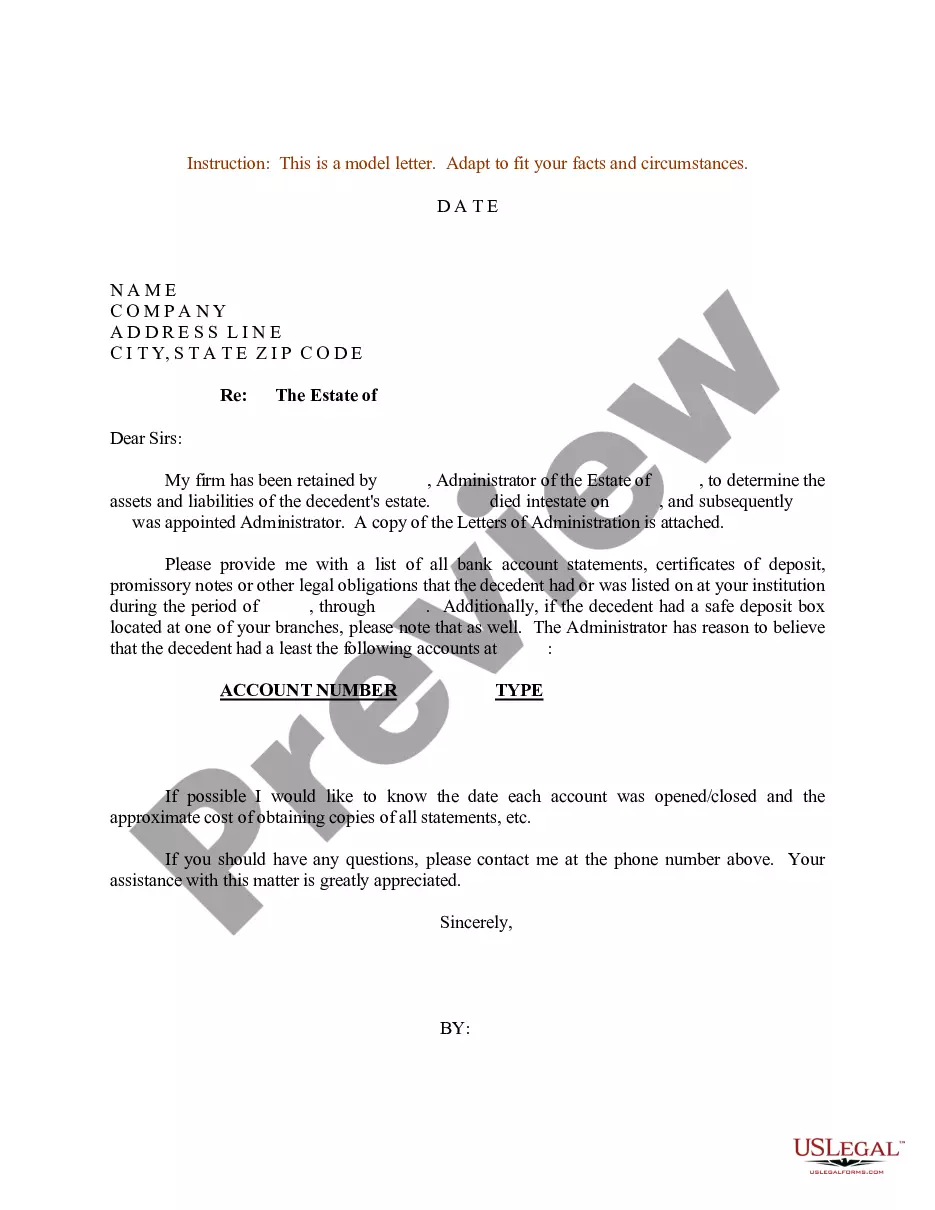
Decedent Account Bank Forgot In Allegheny
Description




Get your form ready online
Our built-in tools help you complete, sign, share, and store your documents in one place.
Make edits, fill in missing information, and update formatting in US Legal Forms—just like you would in MS Word.
Download a copy, print it, send it by email, or mail it via USPS—whatever works best for your next step.
Sign and collect signatures with our SignNow integration. Send to multiple recipients, set reminders, and more. Go Premium to unlock E-Sign.
If this form requires notarization, complete it online through a secure video call—no need to meet a notary in person or wait for an appointment.
We protect your documents and personal data by following strict security and privacy standards.

Make edits, fill in missing information, and update formatting in US Legal Forms—just like you would in MS Word.

Download a copy, print it, send it by email, or mail it via USPS—whatever works best for your next step.

Sign and collect signatures with our SignNow integration. Send to multiple recipients, set reminders, and more. Go Premium to unlock E-Sign.

If this form requires notarization, complete it online through a secure video call—no need to meet a notary in person or wait for an appointment.

We protect your documents and personal data by following strict security and privacy standards.
Looking for another form?

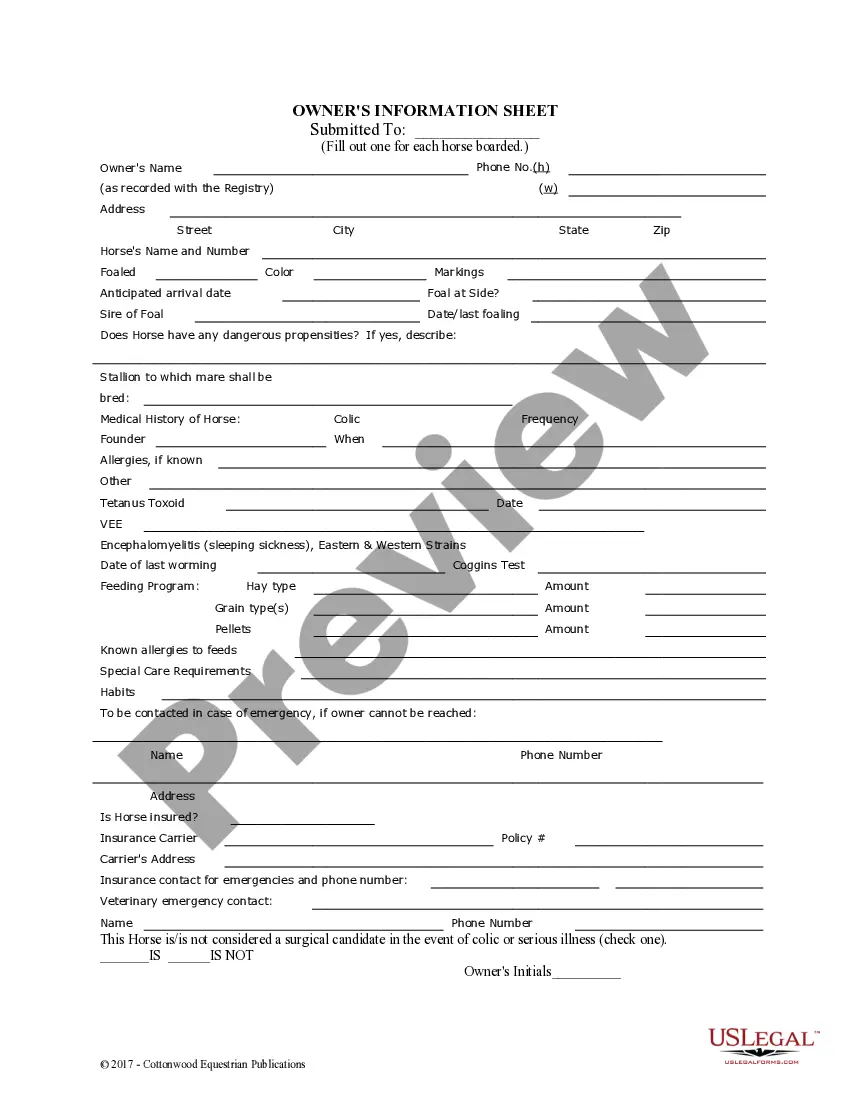




Form popularity
FAQ
"The surviving owner will be able to withdraw funds from the account," says David Doehring, probate attorney and managing partner of Doehring & Doehring Attorneys at Law. If the account has a payable on death beneficiary, the bank account balance goes to the beneficiary after the last account owner dies.
Since payable-on-death accounts (PODs) and transfer-on-death accounts (TODs) must designate a beneficiary, they are not subject to the California probate process. The payable-on-death beneficiary can claim the bank account proceeds by going to the bank with a copy of the death certificate and proof of identification.
The bank is likely to ask for two forms of your identification (usually a passport or driver's licence, or a proof of address with a utility bill) and a copy of the will. If there's no will, the bank could ask for evidence of your relationship to the deceased. You'll also need the death certificate.
How to Find the Bank Accounts of a Deceased Person Search Their Home and Mail. Visit Banks in Their Area. Call Their Employer. Search Online Databases. Consult With an Experienced Probate Attorney.
The simplest way to find out whether someone opened an account in your name is to check your credit reports. They will list all accounts associated with your name and Social Security number.
There are several methods to find hidden bank accounts, such as: Conducting online asset searches. Hiring a private investigator. Making legal requests for financial information. Utilizing state-sponsored websites and resources.
The purpose of the six-month rule is to allow the surviving owner the opportunity to restructure a deposit if necessary to ensure that all funds remain fully insured.
You may wish to contact the unclaimed-property office or state treasurer for the state where the account was held for assistance. You can locate your state office's website at Unclaimed.
Bank failures – Search the FDIC database for unclaimed funds from closed financial institutions. Credit union failures – Find unclaimed deposits from closed credit unions.
That's why a good place to start a quest for older unclaimed property is often through your state's unclaimed property office. The unclaimed funds held by the state are typically from bank accounts, insurance policies, or your state government.
