Change Shares On Companies House In Wayne
Description



Get your form ready online
Our built-in tools help you complete, sign, share, and store your documents in one place.
Make edits, fill in missing information, and update formatting in US Legal Forms—just like you would in MS Word.
Download a copy, print it, send it by email, or mail it via USPS—whatever works best for your next step.
Sign and collect signatures with our SignNow integration. Send to multiple recipients, set reminders, and more. Go Premium to unlock E-Sign.
If this form requires notarization, complete it online through a secure video call—no need to meet a notary in person or wait for an appointment.
We protect your documents and personal data by following strict security and privacy standards.

Make edits, fill in missing information, and update formatting in US Legal Forms—just like you would in MS Word.

Download a copy, print it, send it by email, or mail it via USPS—whatever works best for your next step.

Sign and collect signatures with our SignNow integration. Send to multiple recipients, set reminders, and more. Go Premium to unlock E-Sign.

If this form requires notarization, complete it online through a secure video call—no need to meet a notary in person or wait for an appointment.

We protect your documents and personal data by following strict security and privacy standards.
Looking for another form?






Form popularity
FAQ
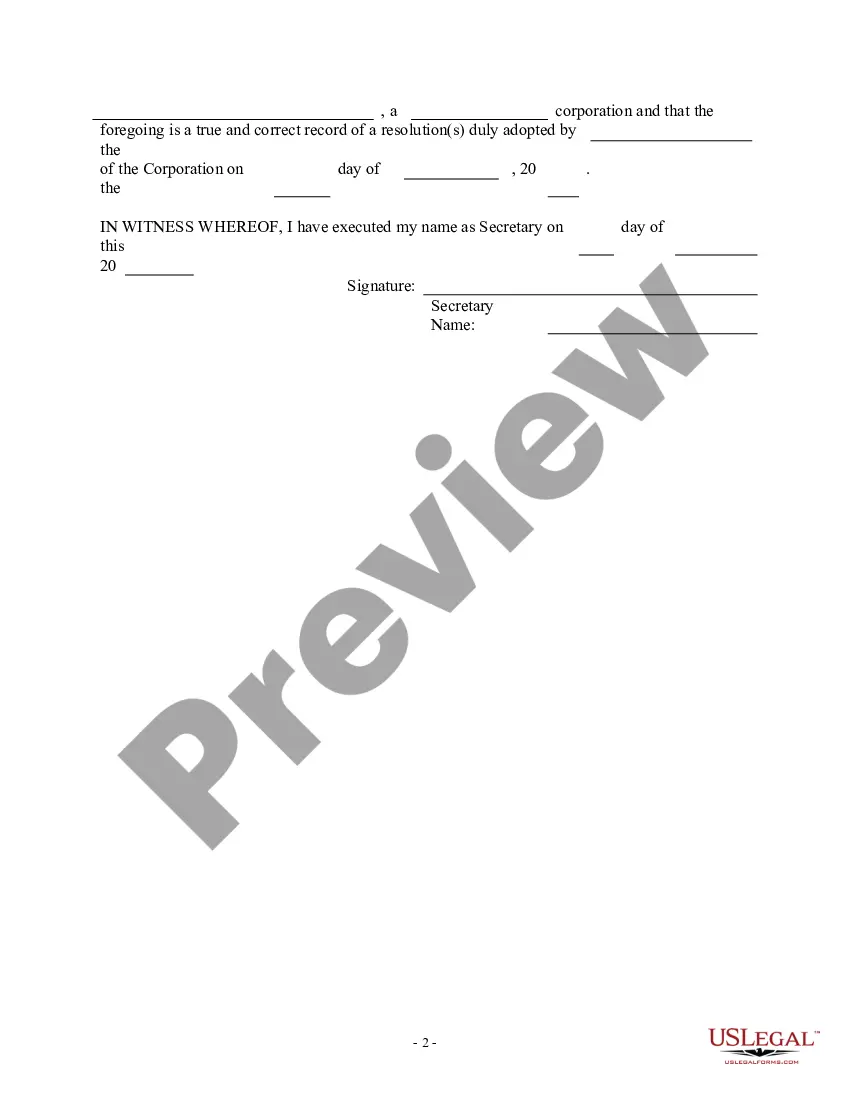
Once the company or the individual shareholder decides to transfer the shares, they would need The Board's approval, and then they need to fill the share transfer form. With this, the new share certificate is issued, and the shares are transferred.
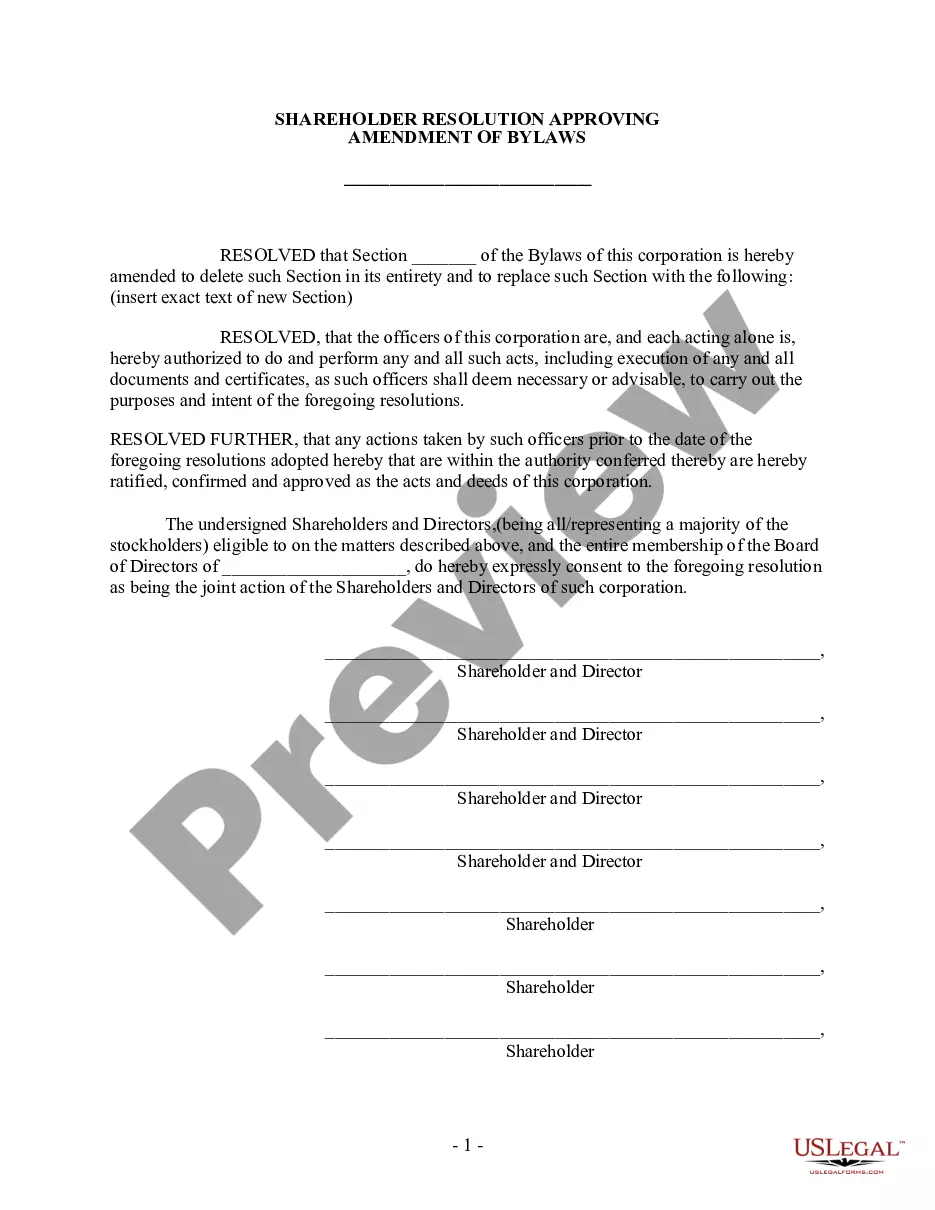
Depending on your shareholder agreement, amendments may require unanimous consent or a specific majority of votes. You'll need to communicate these changes to the agreement with your shareholders which can be done via email or call. Whichever method you choose, make sure that: the communication reaches all shareholders.
Change in the names of Individuals :Shareholders are required to send their requests for change of names together with original certificate along with a copy of notification in the Official Gazette or a newspaper or an affidavit drawn on stamp paper of appropriate value duly sworn.
How and when to update shareholder information. If the details of any shareholders change after company formation, you must notify Companies House when you file your next annual confirmation statement (formerly known as an 'annual return').
The key steps for changing the shareholding pattern typically involve obtaining board approval, executing a share transfer agreement, obtaining shareholders' approval, ensuring regulatory compliance, and updating corporate records to reflect the revised shareholding pattern accurately.
You can find out the names of the shareholders of a public company through several resources. If you wish to find out the names of large shareholders of a public company that has filed with the SEC, you can find this information by searching EDGAR, the SEC's Electronic Data Gathering, Analysis, and Retrieval System.
When you gain or lose a shareholder, the company needs to notify Companies House about the changes. You need to supply the name and date of the membership as well as the name and date of the departure. This is done through the annual confirmation statement.
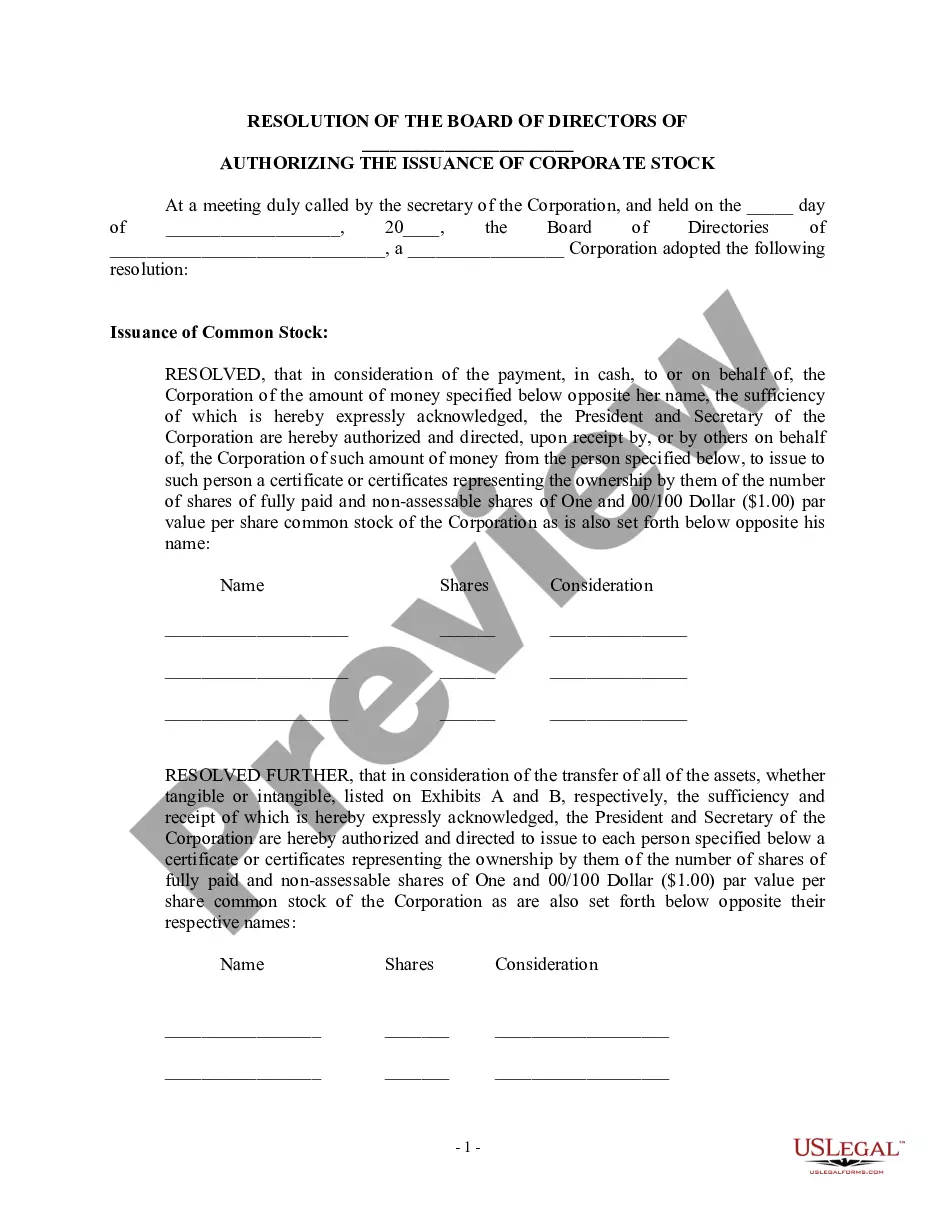
Issuing new shares typically requires approval from the company's shareholders. This may involve holding a vote at a shareholder meeting or obtaining written consent from a majority of shareholders.
Issuing of extra shares will require a resolution to be passed by a general meeting of the company shareholders. The only way of avoiding diluting the company further by issuing shares to new investors is by existing shareholders taking up the extra shares on top of their own.
To legally remove a shareholder, first review the corporation's shareholders' agreement and bylaws, as these often outline procedures for removal. If no specific terms exist, consider negotiating a buyout with the shareholder or, if necessary, seeking legal action, ensuring compliance with state laws.
