Authorized Shares Of In Virginia
Description

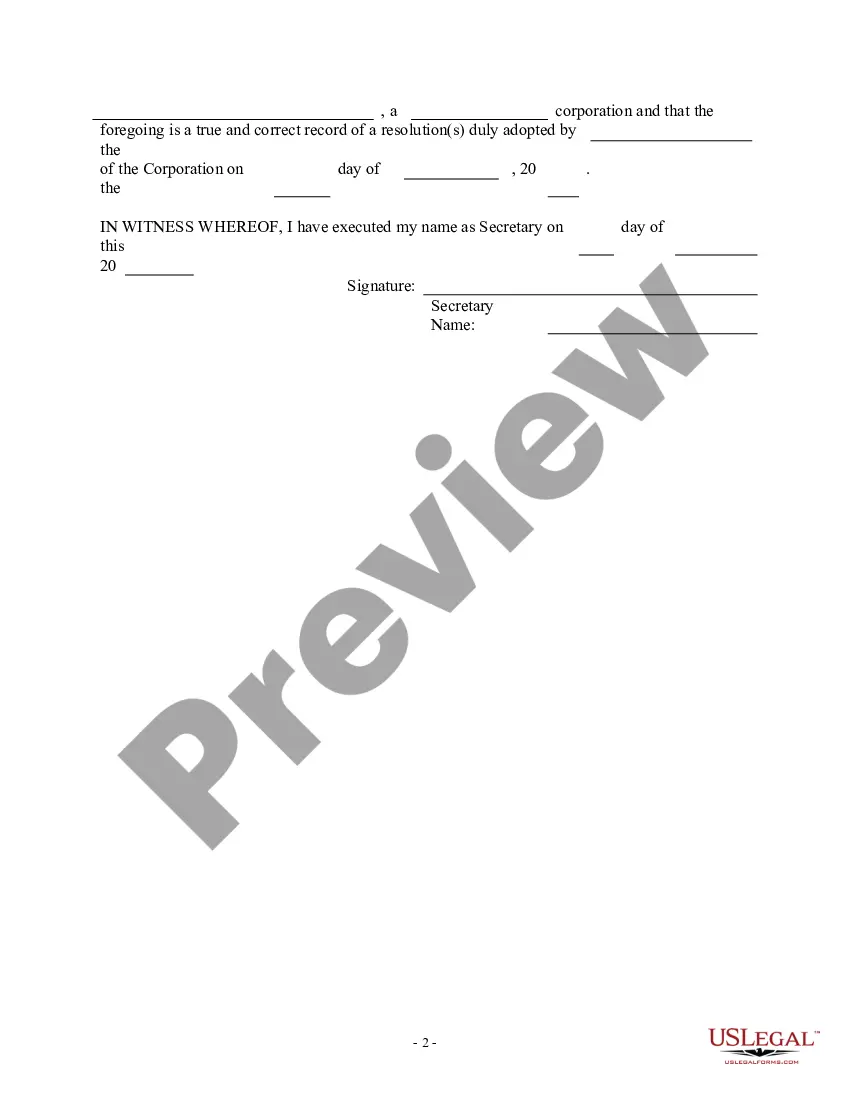

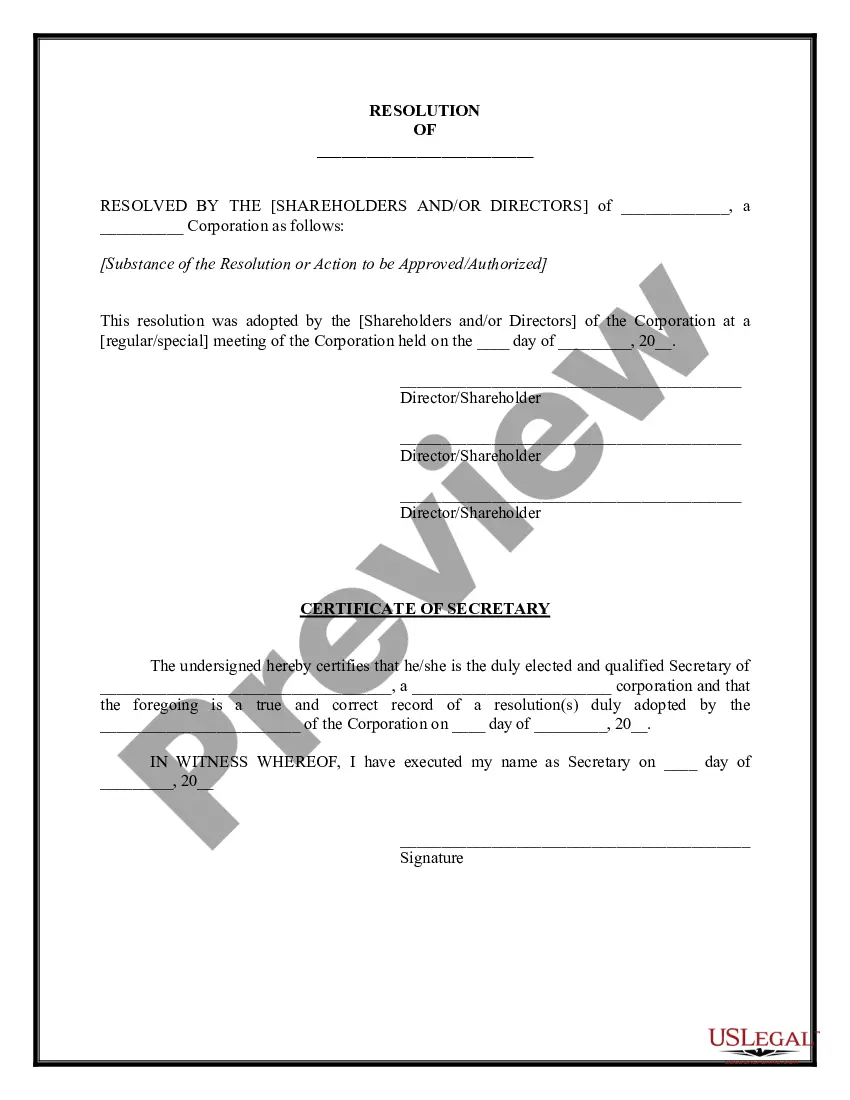
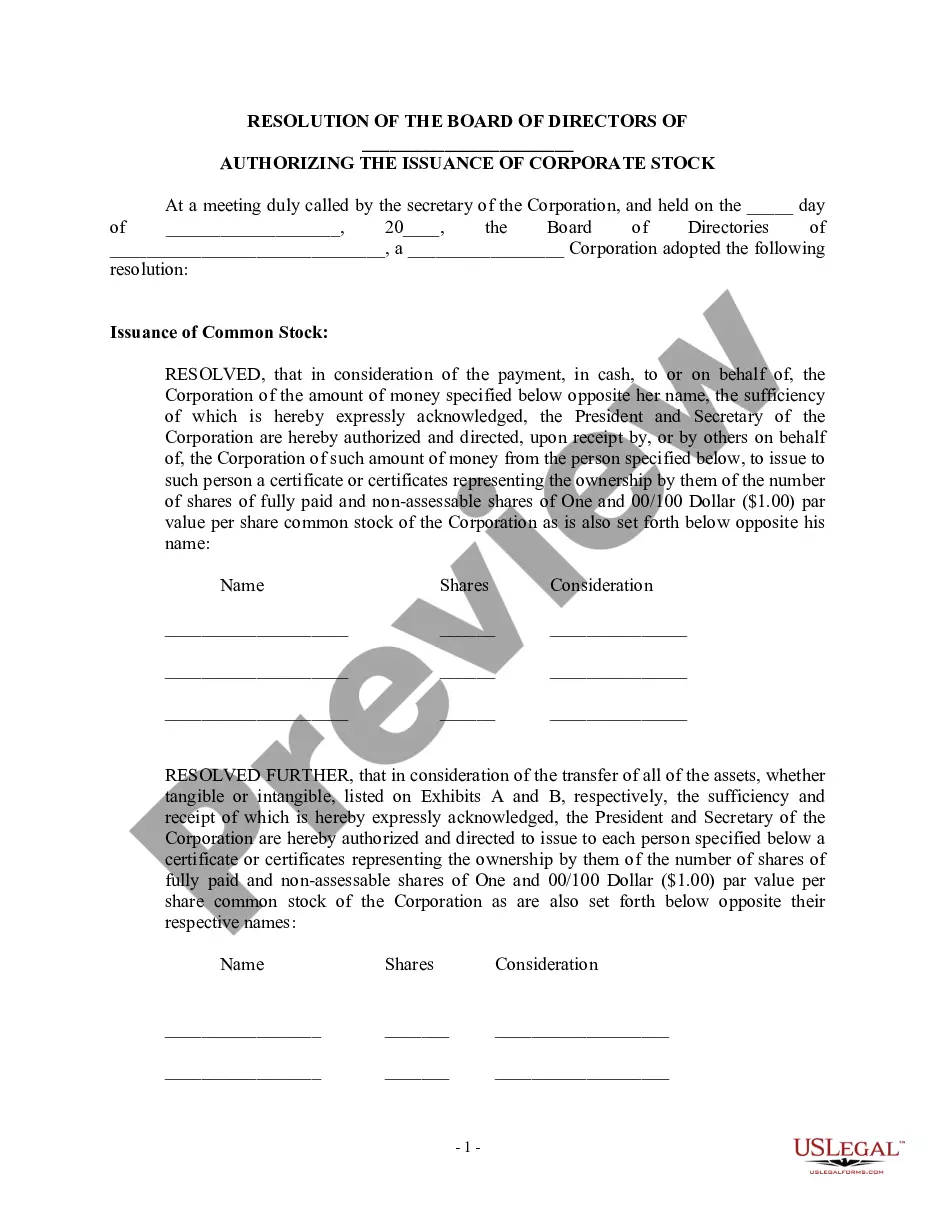
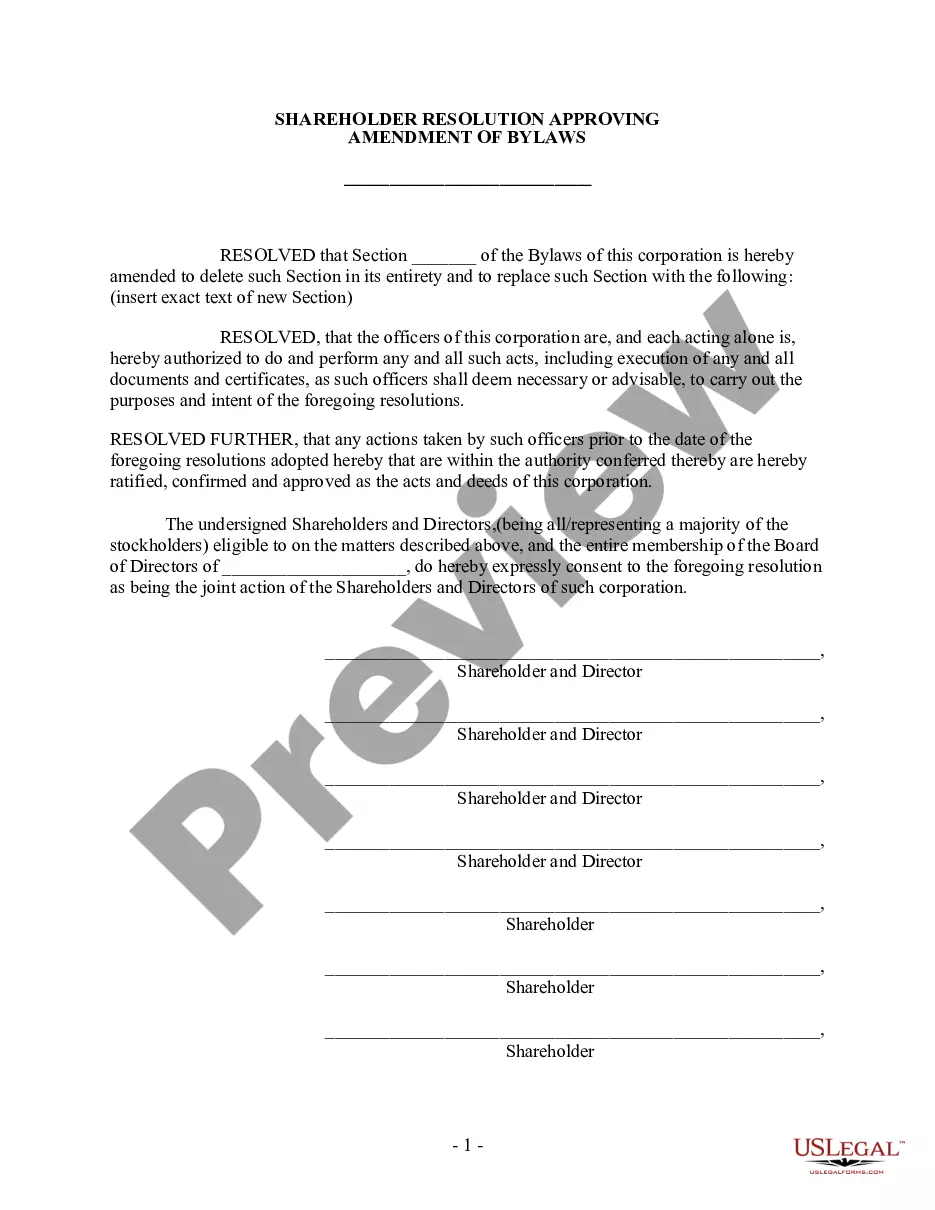
Get your form ready online
Our built-in tools help you complete, sign, share, and store your documents in one place.
Make edits, fill in missing information, and update formatting in US Legal Forms—just like you would in MS Word.
Download a copy, print it, send it by email, or mail it via USPS—whatever works best for your next step.
Sign and collect signatures with our SignNow integration. Send to multiple recipients, set reminders, and more. Go Premium to unlock E-Sign.
If this form requires notarization, complete it online through a secure video call—no need to meet a notary in person or wait for an appointment.
We protect your documents and personal data by following strict security and privacy standards.

Make edits, fill in missing information, and update formatting in US Legal Forms—just like you would in MS Word.

Download a copy, print it, send it by email, or mail it via USPS—whatever works best for your next step.

Sign and collect signatures with our SignNow integration. Send to multiple recipients, set reminders, and more. Go Premium to unlock E-Sign.

If this form requires notarization, complete it online through a secure video call—no need to meet a notary in person or wait for an appointment.

We protect your documents and personal data by following strict security and privacy standards.
Looking for another form?

Form popularity
FAQ
Forming a Virginia S Corp Step 1: Come up with a distinguishable name. Step 2: Select a registered agent. Step 3: Submit formal paperwork. Step 4: Apply for an Employer Identification Number (EIN). Step 5: Issue stock. Step 6: Prepare initial documents. Step 7: Elect the tax status.
The document required to form a corporation in Virginia is called the Articles of Incorporation. The information required in the formation document varies by state. Virginia's requirements include: Officers.
“Authorized shares” refers to the number of shares the corporation is allowed to issue under its certificate or articles of incorporation. 10 to 15 million is a commonly used range (we set 10 million as default for the Cooley GO Docs Incorporation Package).
Amendment of articles of incorporation by the board of directors. A. Where no shares of the corporation are issued and outstanding, a corporation's board of directors may adopt an amendment of the corporation's articles of incorporation without shareholder approval.
In an LLC, the units of ownership are not known as shares of 'stock'. The majority of the LLC's agreement delegates a particular number of “membership interests” or “membership units”. These LLC shares or units may also be further broken down into two types: the voting units and the non-voting units.
Put simply, LLCs do not have shares. The only businesses with shares are those structured as a corporation. With an LLC, ownership looks different. Instead, it's determined by ownership percentage.
The number of authorized shares is specified in the company's articles of incorporation. You can also see the number in the capital accounts section on the balance sheet.
Authorized shares are the maximum number of shares that a company is permitted to issue to investors, as laid out in its articles of incorporation. Outstanding shares are the actual shares issued or sold to investors from the available number of authorized shares.
Shares are essentially the same thing as stocks, and the terms are used interchangeably. Put simply, LLCs do not have shares. The only businesses with shares are those structured as a corporation.
Common stock or shares of stock can be classified as authorized, issued, or outstanding: Authorized stock is the max amount of shares that a company can issue. Generally, a company will not issue 100% of the authorized stock, so issued stock will be less than the authorized amount.
