Share Transfer Resolution Format In San Jose
Description


Get your form ready online
Our built-in tools help you complete, sign, share, and store your documents in one place.
Make edits, fill in missing information, and update formatting in US Legal Forms—just like you would in MS Word.
Download a copy, print it, send it by email, or mail it via USPS—whatever works best for your next step.
Sign and collect signatures with our SignNow integration. Send to multiple recipients, set reminders, and more. Go Premium to unlock E-Sign.
If this form requires notarization, complete it online through a secure video call—no need to meet a notary in person or wait for an appointment.
We protect your documents and personal data by following strict security and privacy standards.

Make edits, fill in missing information, and update formatting in US Legal Forms—just like you would in MS Word.

Download a copy, print it, send it by email, or mail it via USPS—whatever works best for your next step.

Sign and collect signatures with our SignNow integration. Send to multiple recipients, set reminders, and more. Go Premium to unlock E-Sign.

If this form requires notarization, complete it online through a secure video call—no need to meet a notary in person or wait for an appointment.

We protect your documents and personal data by following strict security and privacy standards.
Looking for another form?

Form popularity
FAQ
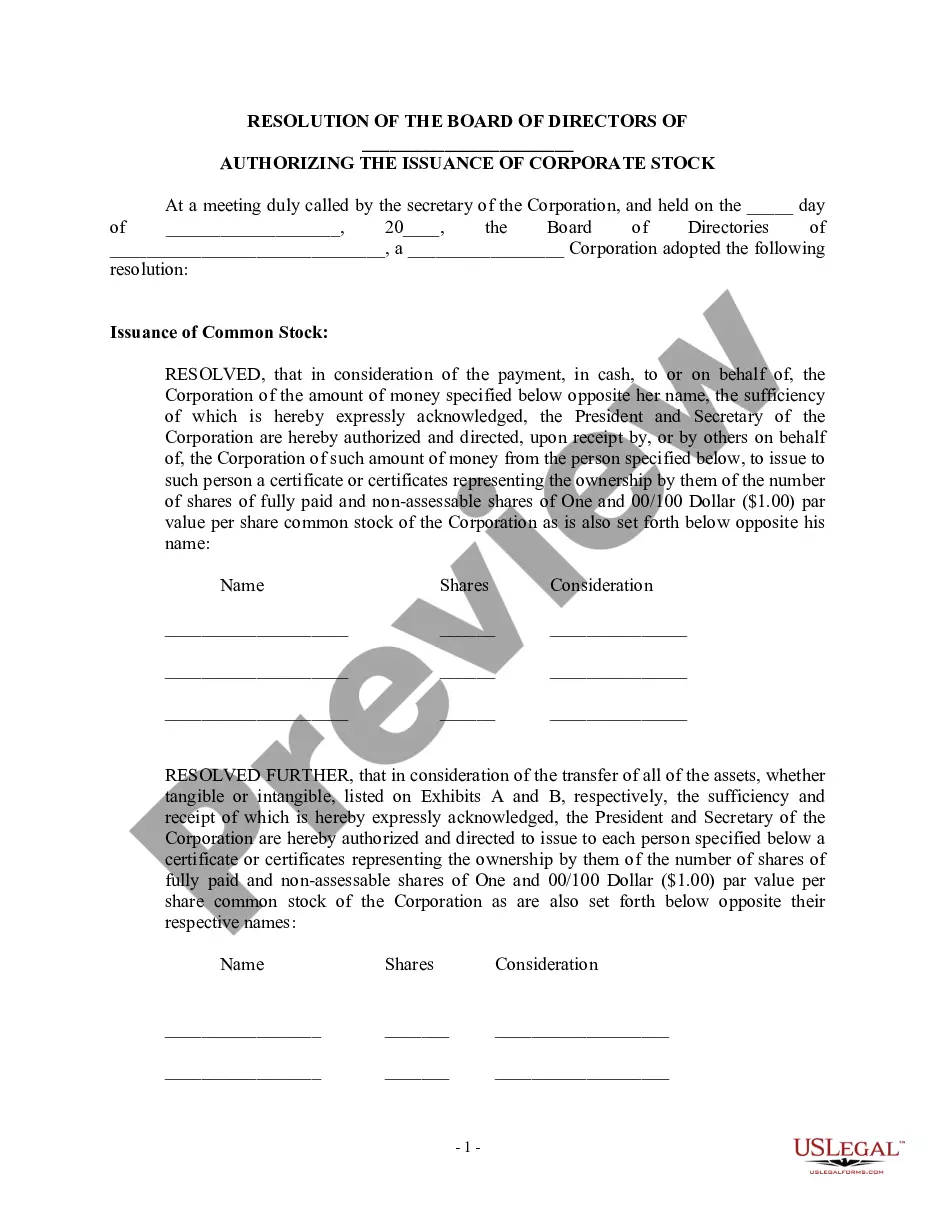
The transfer must then be approved by the board of directors either at a meeting or by way of a board resolution. For some companies, the existing shareholders may also need to pass a special resolution to waive their right to pre-emption on the transfer of shares.
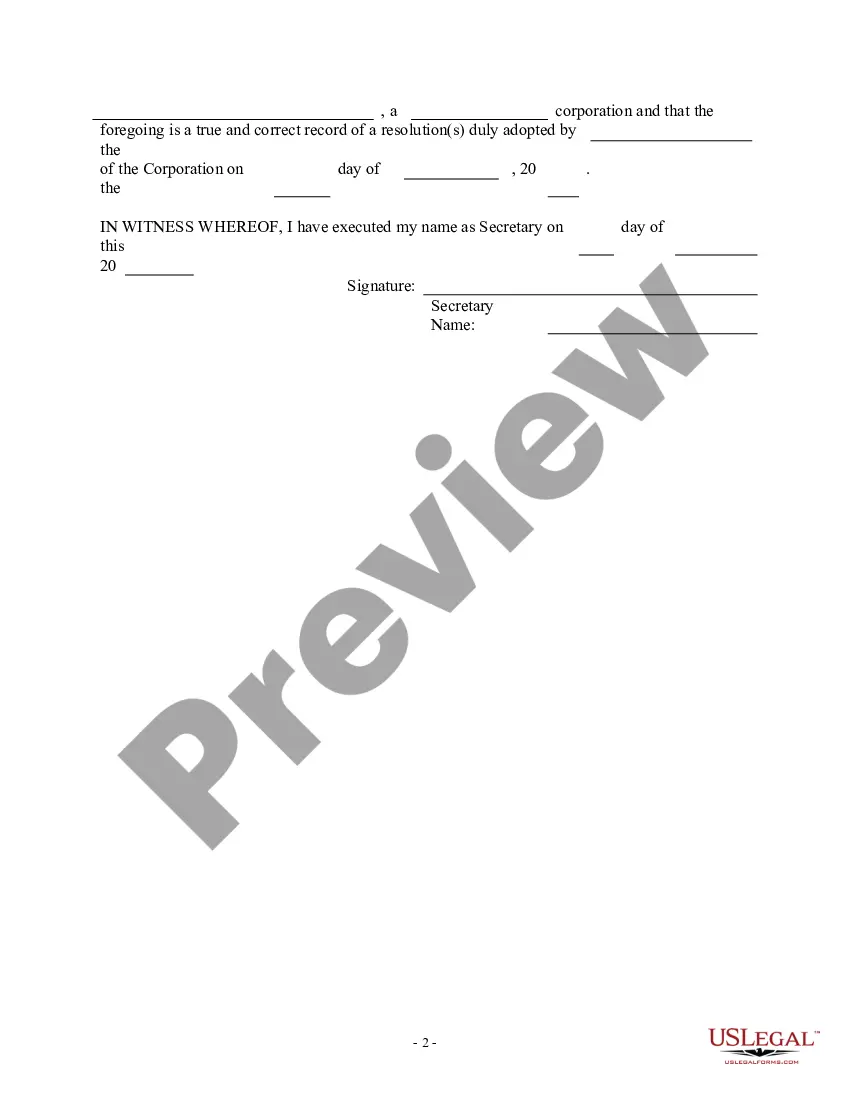
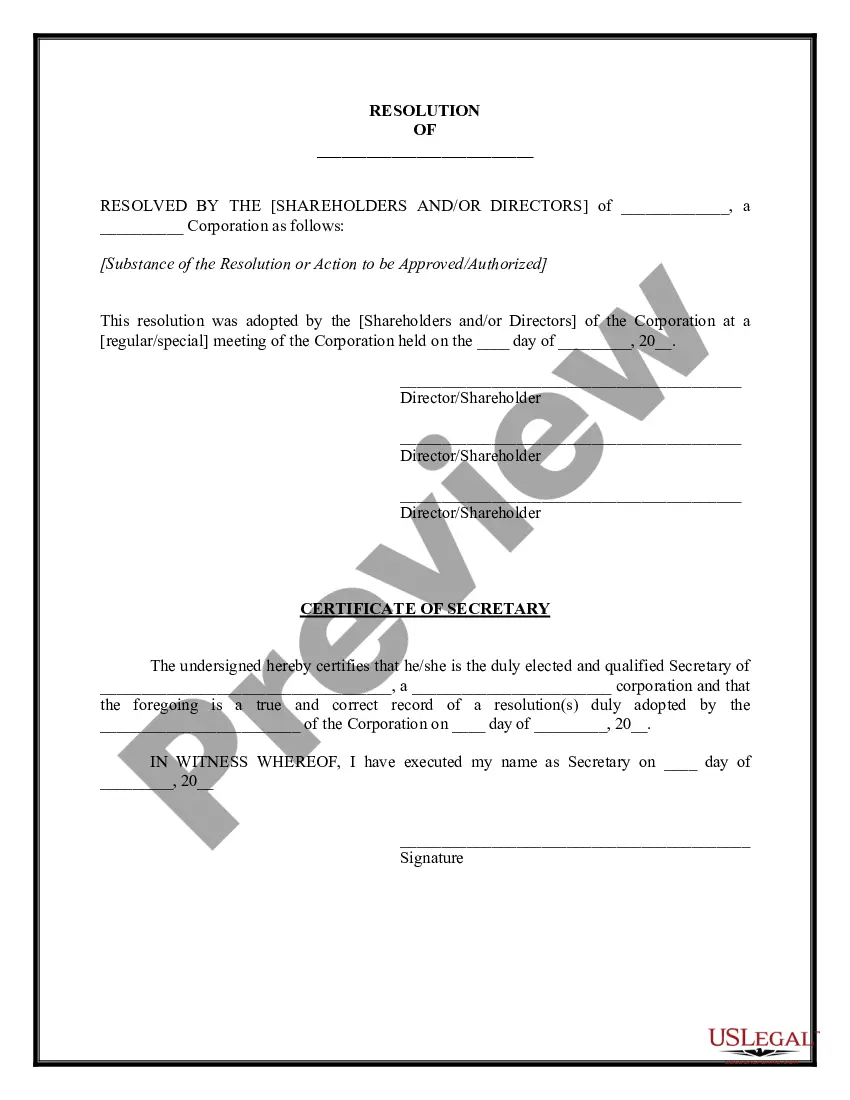
A Board Resolution for Transfer of Shares is a formal decision made by the board of directors of a company to approve the transfer of shares from one shareholder to another.
Generally, a Board Resolution does not need to be notarized unless it's being submitted to a government agency, a bank, or a court — or if it involves highly sensitive or financial decisions.
This can either be agreed at a meeting or through a board resolution. In the case of some companies, existing shareholders may need to pass a special resolution in order to waive their right to pre-emption on the transfer of shares.
Note that companies incorporated under the UK Companies Act 1985 (or before) will need an ordinary resolution (i.e. the approval of a majority of shareholders) authorising them to allot shares under section 550.
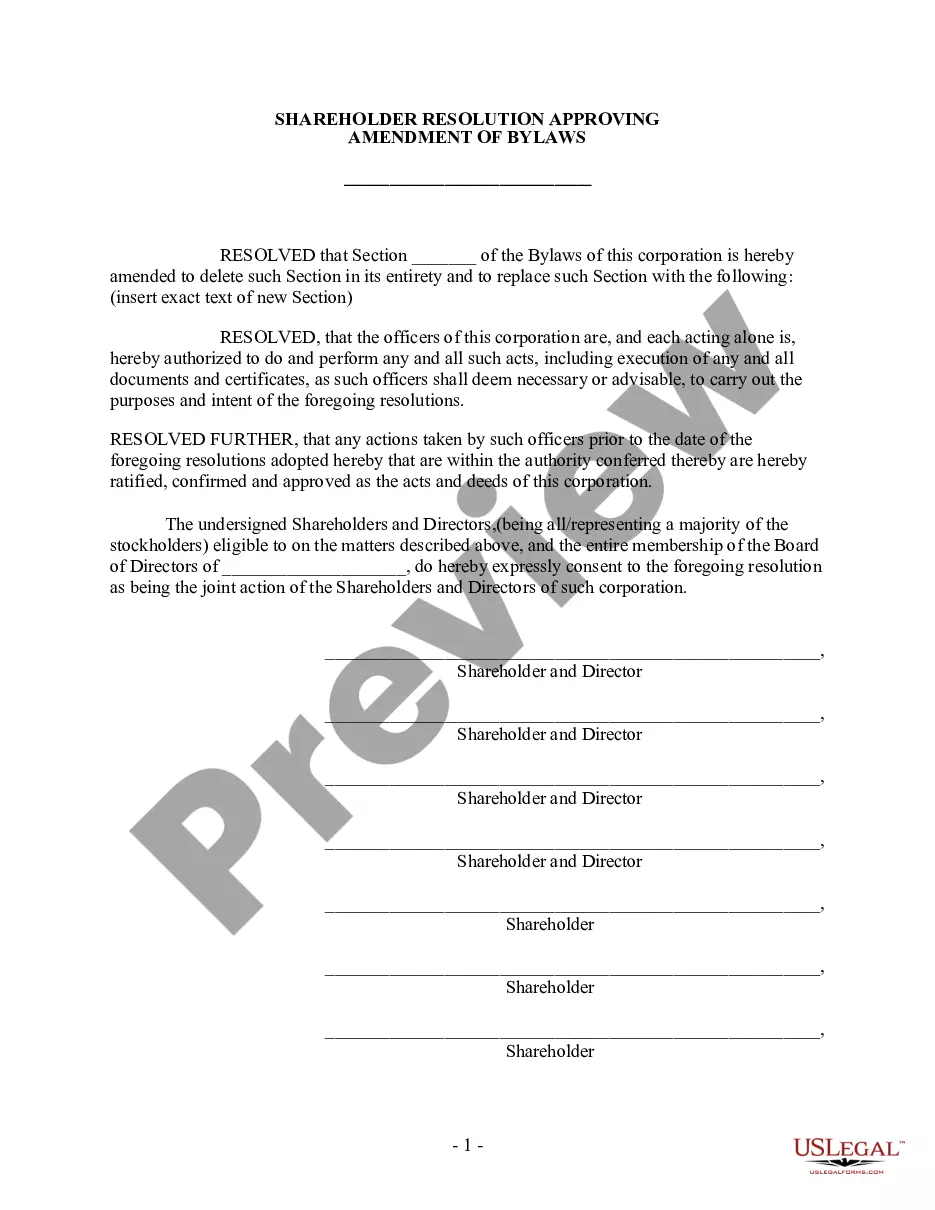
A Directors' Resolution Approving Transfer of Shares is a formal document that outlines the decision of a company's board of directors to approve the transfer of shares from one shareholder to another.
A person who gives his signature, name and address as approval for transfer must see the transferor and the transferee sign the share/debentures transfer deed in person. The relevant share/debenture certificate or allotment letter with the transfer deed must be attached and sent to the company.
“RESOLVED FURTHER THAT the consent of the Board be and is hereby ed for printing of ……………… equity share certificates consecutively machine-numbered …….. to …….. and that the blank share certificates be kept under the custody of Shri ……………………”
A Directors' Resolution Approving Transfer of Shares is a formal document that outlines the decision of a company's board of directors to approve the transfer of shares from one shareholder to another.
