Change Share Rights In Philadelphia
Description

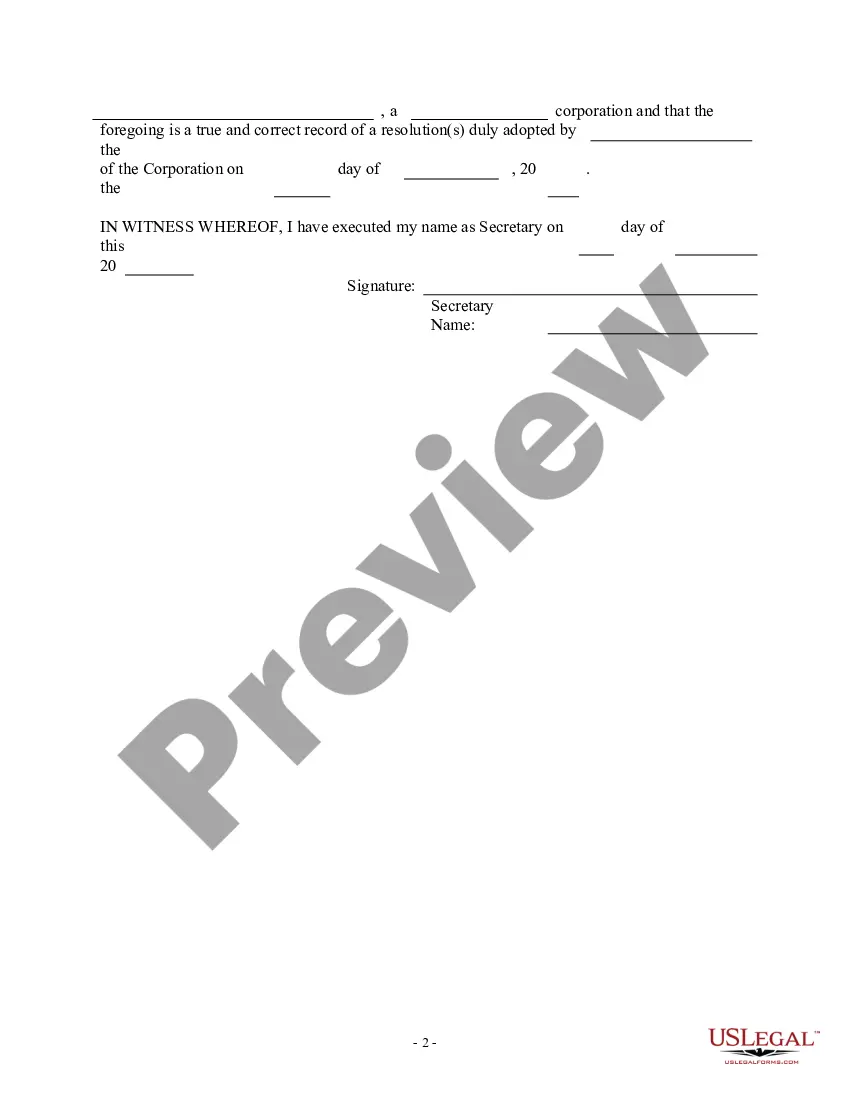

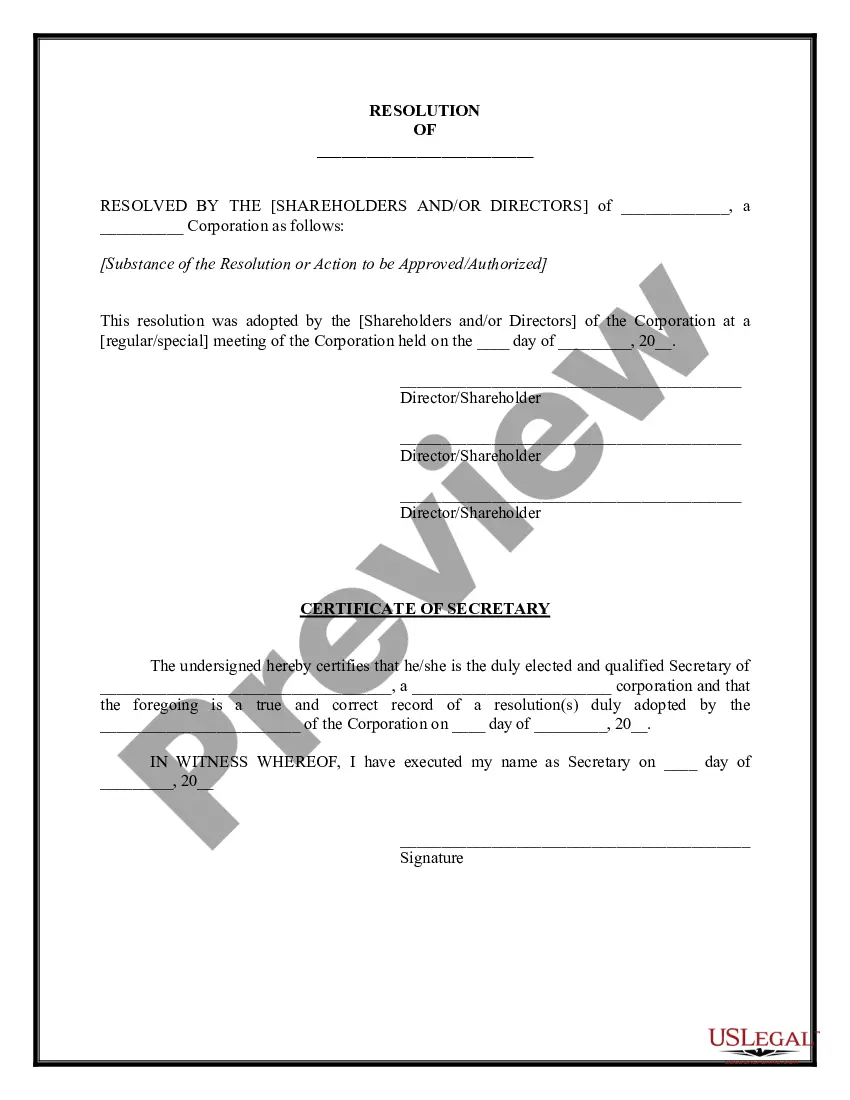
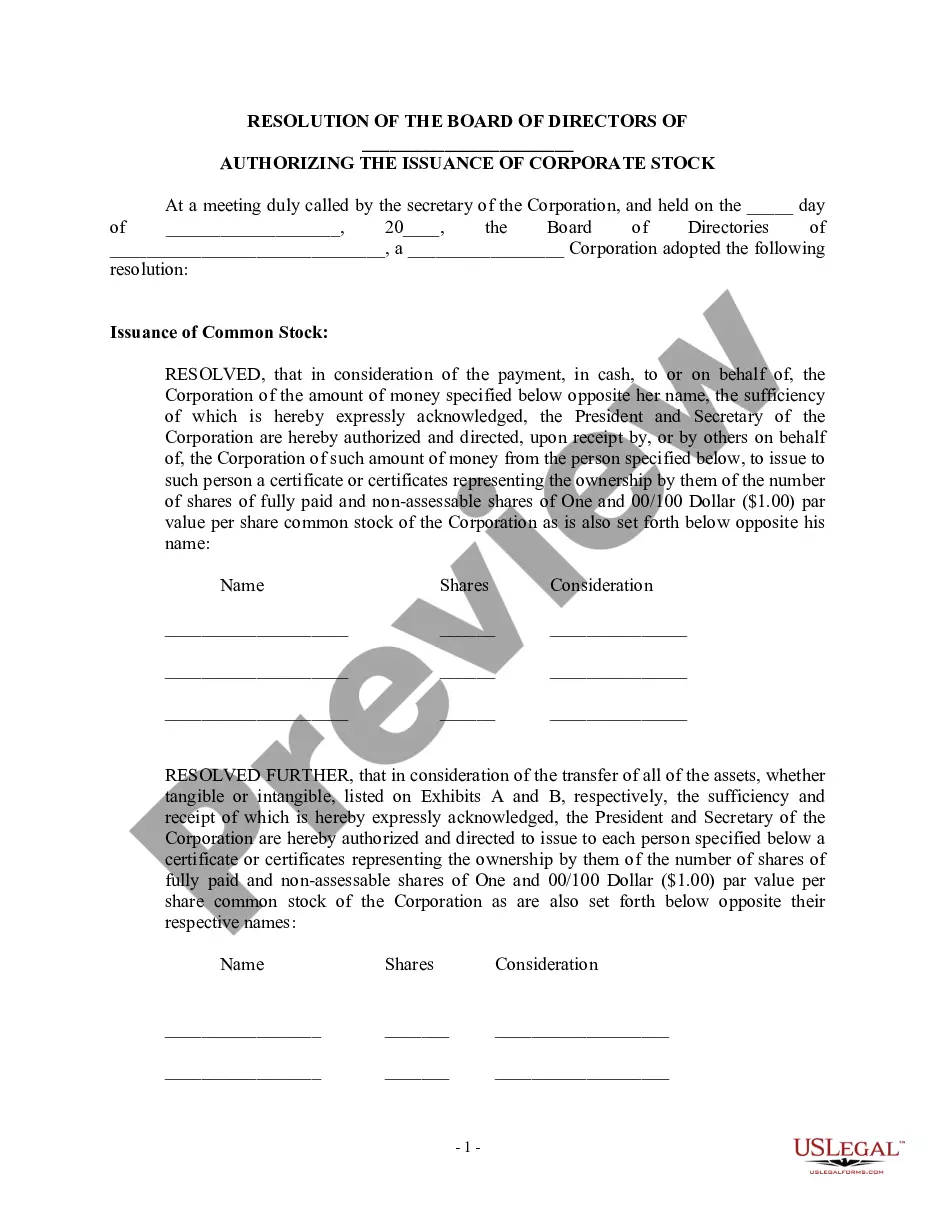
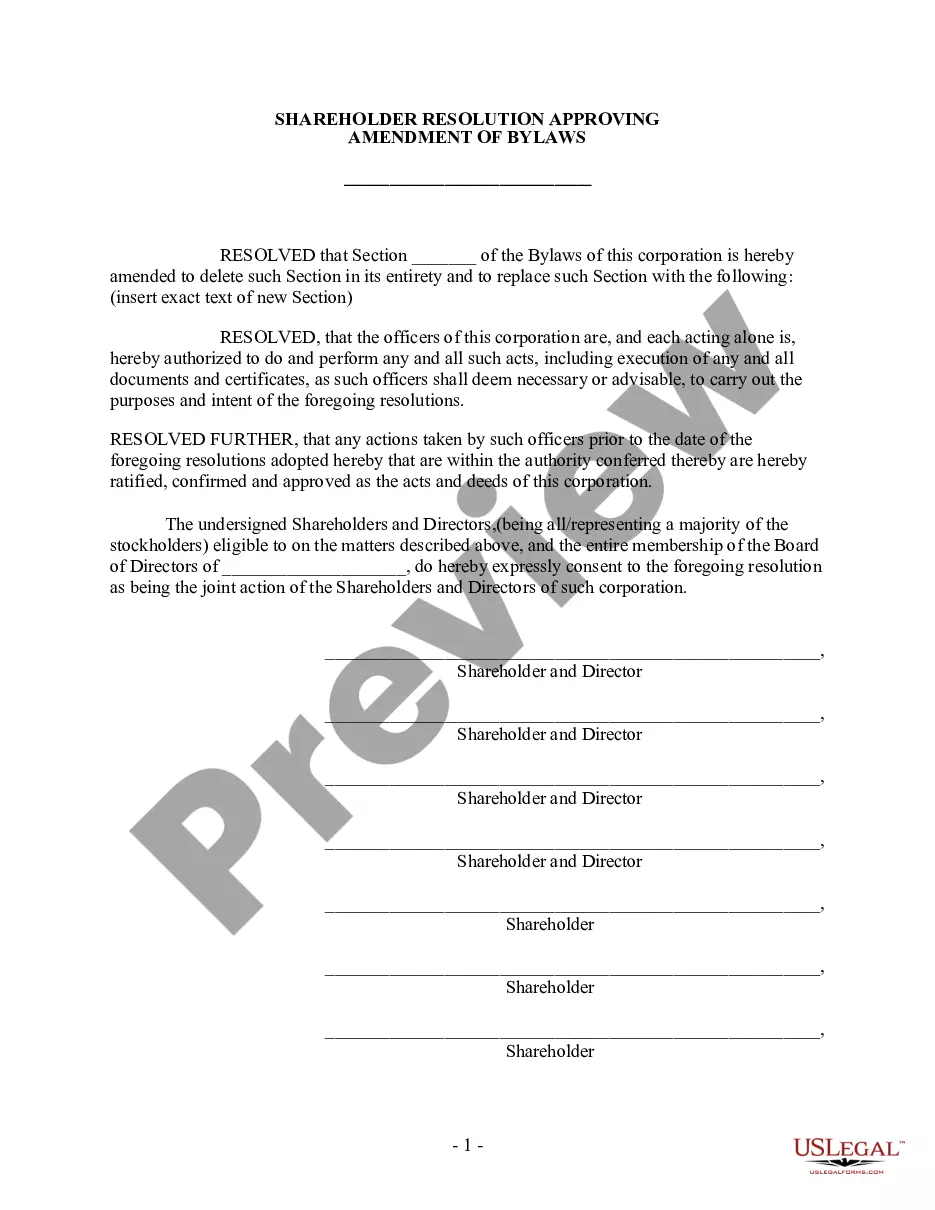
Get your form ready online
Our built-in tools help you complete, sign, share, and store your documents in one place.
Make edits, fill in missing information, and update formatting in US Legal Forms—just like you would in MS Word.
Download a copy, print it, send it by email, or mail it via USPS—whatever works best for your next step.
Sign and collect signatures with our SignNow integration. Send to multiple recipients, set reminders, and more. Go Premium to unlock E-Sign.
If this form requires notarization, complete it online through a secure video call—no need to meet a notary in person or wait for an appointment.
We protect your documents and personal data by following strict security and privacy standards.

Make edits, fill in missing information, and update formatting in US Legal Forms—just like you would in MS Word.

Download a copy, print it, send it by email, or mail it via USPS—whatever works best for your next step.

Sign and collect signatures with our SignNow integration. Send to multiple recipients, set reminders, and more. Go Premium to unlock E-Sign.

If this form requires notarization, complete it online through a secure video call—no need to meet a notary in person or wait for an appointment.

We protect your documents and personal data by following strict security and privacy standards.
Looking for another form?






Form popularity
FAQ
Review Corporate Bylaws and Contracts For instance, a company might have in its bylaws that an officer can be removed if two-thirds of the board of directors votes in favor of the removal. Alternatively, the officer's contract might stipulate specific circumstances under which they can be terminated.
Can I Transfer a Deed Without an Attorney? The state of Pennsylvania does not require an attorney, but we strongly recommend it.
This can only be done by recording a new deed showing the change. Many people think they can simply come into the office and change the present deed on record. However, once a paper is recorded, it cannot be changed. The new deed can be prepared by your attorney, title insurance company or a real estate office.
How to Transfer Ownership of a Corporation Consult your Articles of Incorporation and corporate bylaws. Contact the board of directors or shareholders. Find a buyer. Transfer ownership of stock. Inform the Secretary of State.
The plan of asset transfer shall set forth the terms and consideration of the sale, lease, exchange or other disposition or may authorize the board of directors or other body to fix any or all of the terms and conditions, including the consideration to be received by the corporation.
Changing officers of a corporation involves filing the articles of incorporation while adhering to Pennsylvania state codes. Directors add officers formally at an annual directors meeting but can do so at any time within the scope of the bylaws.
To add, remove, or change a name on a deed, have a lawyer, title company, or other real estate professional prepare the deed. Then, record the new deed with the Department of Records. Note: We recommend that you do not prepare a deed on your own. We also recommend that you get title insurance.
In California you may add any officer authorized by your bylaws by board action, i.e., the Board should adopt a resolution, recorded in Minutes or a written consent of the Board. No filing is required at the time. Your next annual report to The California Secretary of State should report the added officer.
Changing officers of a corporation involves filing the articles of incorporation while adhering to Pennsylvania state codes. Directors add officers formally at an annual directors meeting but can do so at any time within the scope of the bylaws.
Any other party may subpoena a person whose testimony is waived by this Rule to appear at the trial and may cross-examine him as to the documents as if he were a witness for the party offering the document.
