Change Shares To Beneficially Held In Orange
Description





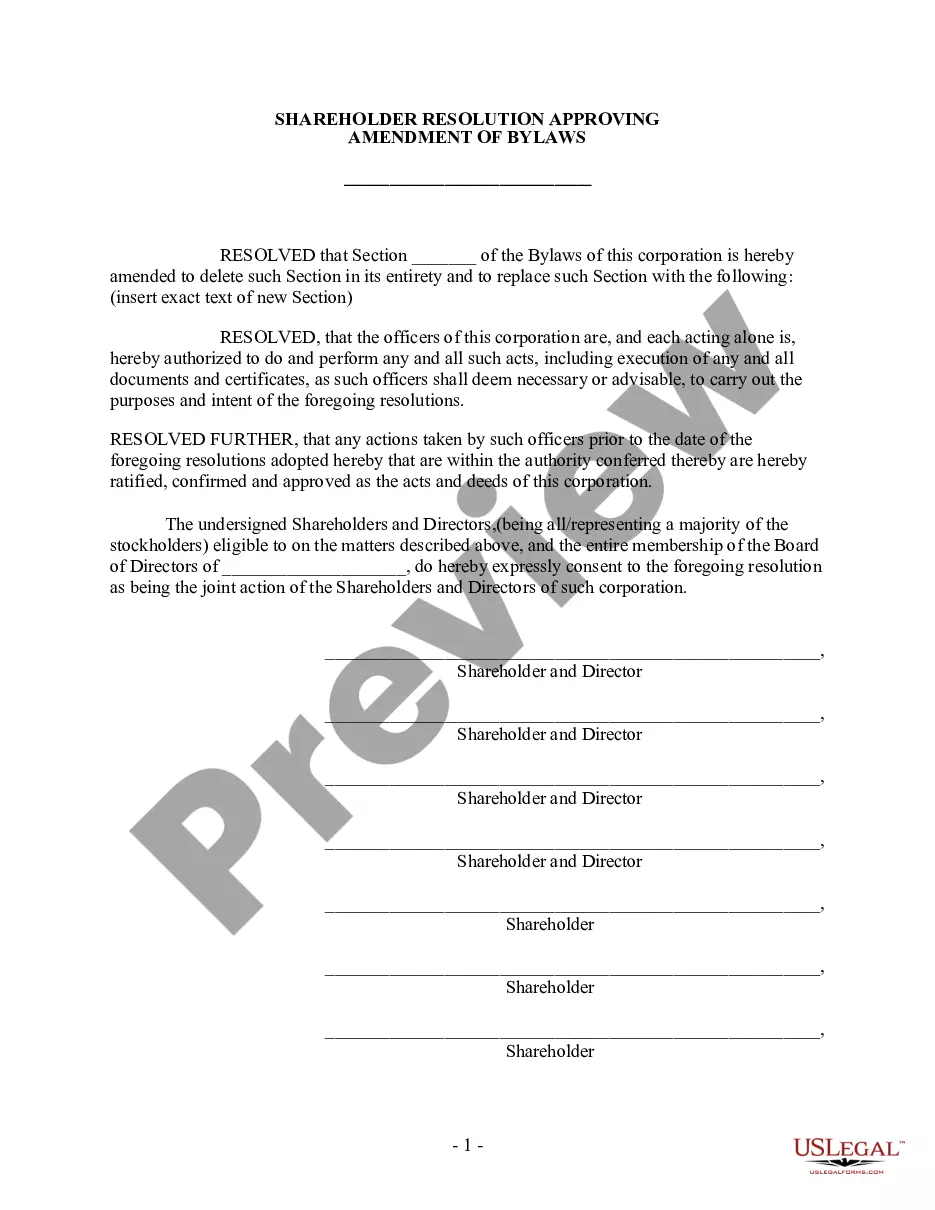
Get your form ready online
Our built-in tools help you complete, sign, share, and store your documents in one place.
Make edits, fill in missing information, and update formatting in US Legal Forms—just like you would in MS Word.
Download a copy, print it, send it by email, or mail it via USPS—whatever works best for your next step.
Sign and collect signatures with our SignNow integration. Send to multiple recipients, set reminders, and more. Go Premium to unlock E-Sign.
If this form requires notarization, complete it online through a secure video call—no need to meet a notary in person or wait for an appointment.
We protect your documents and personal data by following strict security and privacy standards.

Make edits, fill in missing information, and update formatting in US Legal Forms—just like you would in MS Word.

Download a copy, print it, send it by email, or mail it via USPS—whatever works best for your next step.

Sign and collect signatures with our SignNow integration. Send to multiple recipients, set reminders, and more. Go Premium to unlock E-Sign.

If this form requires notarization, complete it online through a secure video call—no need to meet a notary in person or wait for an appointment.

We protect your documents and personal data by following strict security and privacy standards.
Looking for another form?
Form popularity
FAQ
The nominee shareholder acts as a custodian and holds the shares on behalf of the beneficial owner. Any transfer or sale of the shares requires the authorization and instructions of the beneficial owner, who ultimately has control over the ownership and disposition of the shares.
What is a shareholder's beneficial status? 'Beneficially held' means that the owner of the shares gets the direct benefit from the shares. Direct benefits include dividend payments. If the shareholder is not holding the shares on behalf of another person, organisation or trust, the shares are beneficially held.
In domestic and international commercial law, a beneficial owner is a natural person or persons who ultimately owns or controls an interest in a legal entity or arrangement, such as a company, a trust, or a foundation.
“Beneficially held” means the shareholder gets the direct benefit of owning the shares. “Non-beneficially” held means that the shareholder is holding the share "as trustee for" or "in trust for" a second entity such as a Trust, a company or another individual.
Beneficial ownership in respect of a company means, an individual who, directly or indirectly, ultimately owns that company or exercises effective control over that company. (Section 55 of the General Laws Amendment Act, 22 of 2022, read with the amendments to the Companies Act and Companies Act Regulations).
A beneficial owner is always the living, breathing human being who ultimately profits from the company's activities, or controls the company's activities. It is never a company, other legal entity, or a nominee/proxy.
A beneficial owner holds shares indirectly, through a bank or broker-dealer. Beneficial owners holding their shares at a broker-dealer or bank are sometimes said to be holding shares in “street name.” The majority of U.S investors own their securities this way.
What is a shareholder's beneficial status? 'Beneficially held' means that the owner of the shares gets the direct benefit from the shares. Direct benefits include dividend payments. If the shareholder is not holding the shares on behalf of another person, organisation or trust, the shares are beneficially held.
SEC Form 4: Statement of Changes in Beneficial Ownership is a document that must be filed with the Securities and Exchange Commission (SEC) whenever there is a material change in the holdings of company insiders.
What is a shareholder's beneficial status? 'Beneficially held' means that the owner of the shares gets the direct benefit from the shares. Direct benefits include dividend payments. If the shareholder is not holding the shares on behalf of another person, organisation or trust, the shares are beneficially held.
