Outstanding Shares For A Company In Nevada
Description

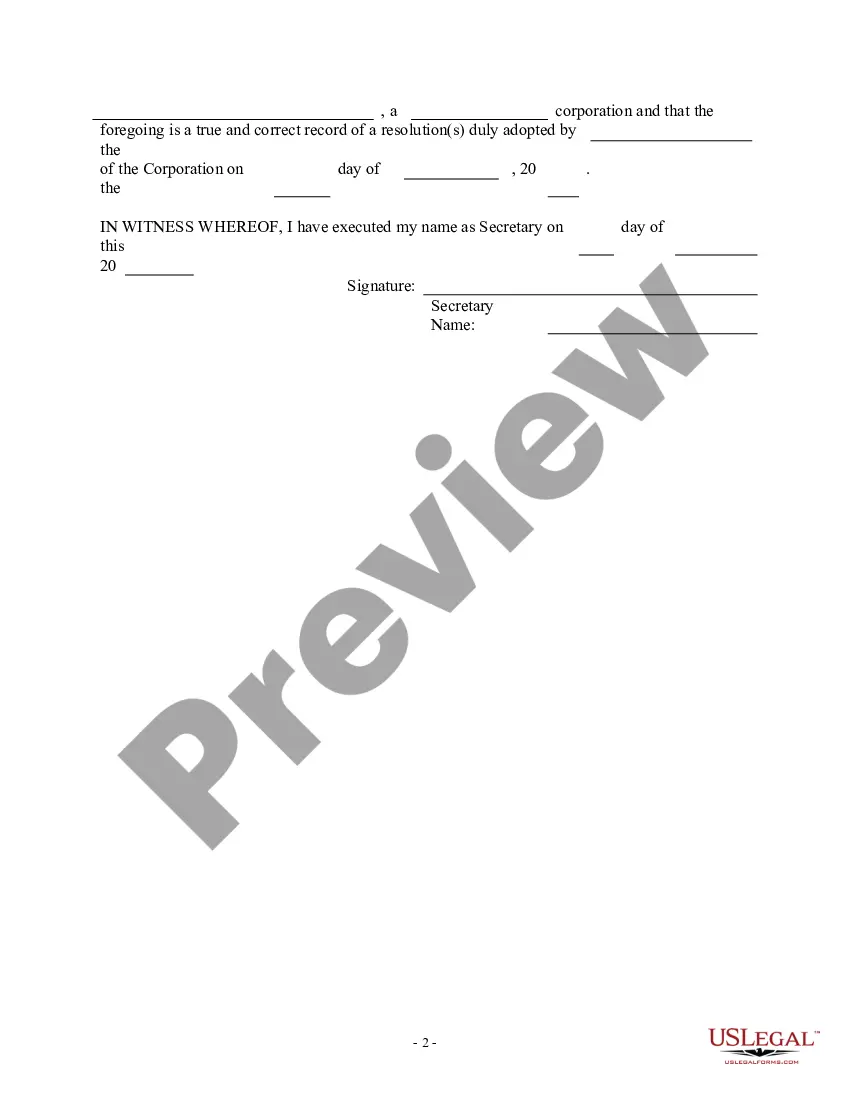


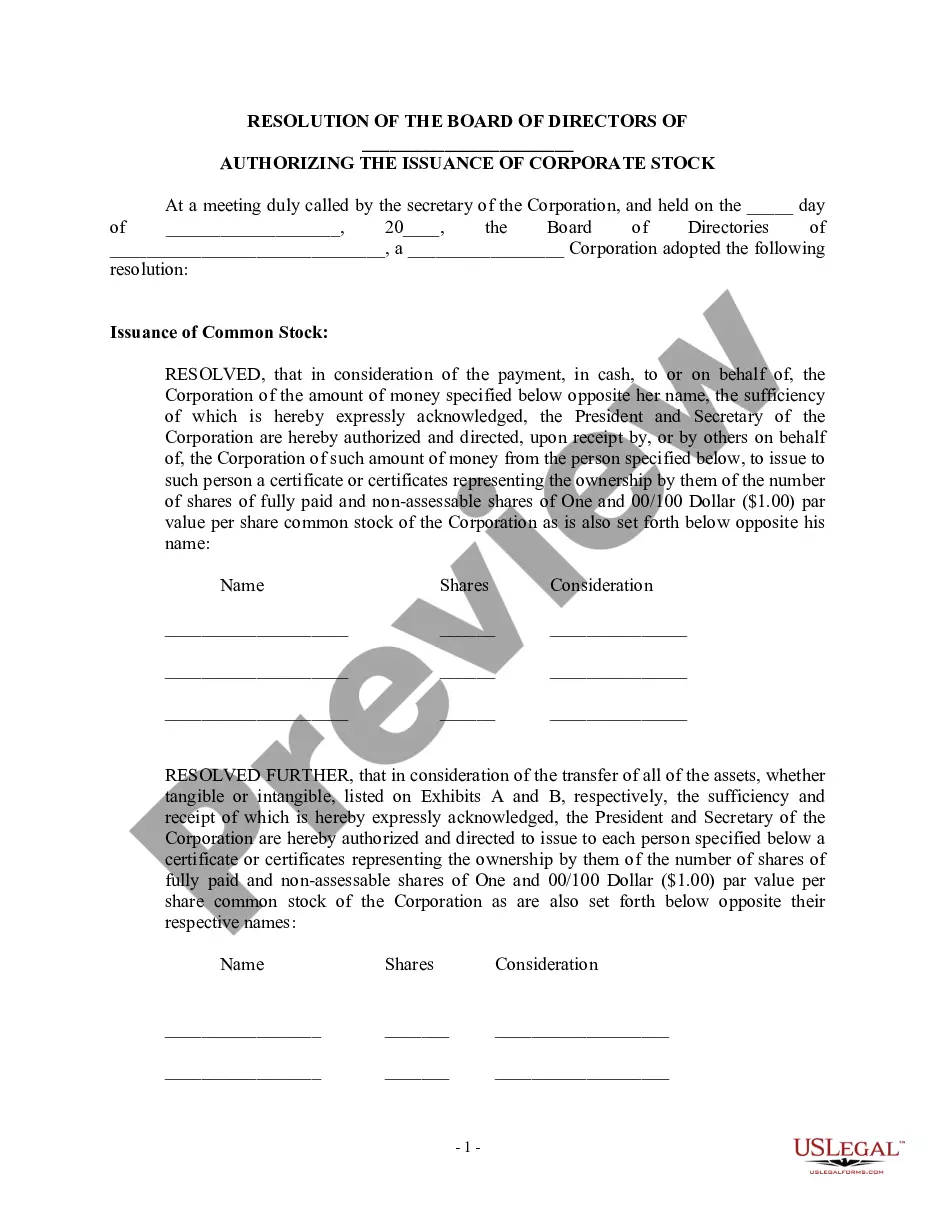
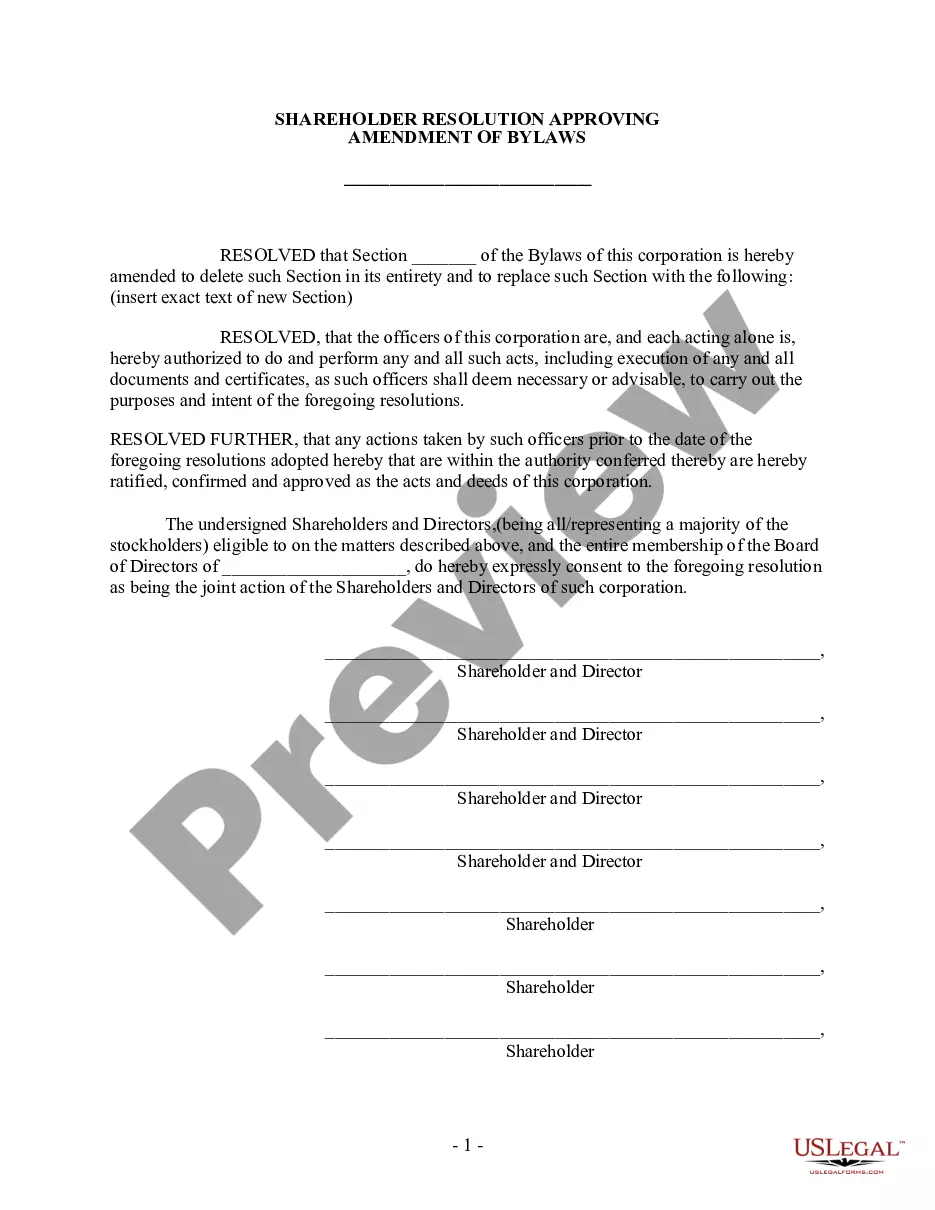
Get your form ready online
Our built-in tools help you complete, sign, share, and store your documents in one place.
Make edits, fill in missing information, and update formatting in US Legal Forms—just like you would in MS Word.
Download a copy, print it, send it by email, or mail it via USPS—whatever works best for your next step.
Sign and collect signatures with our SignNow integration. Send to multiple recipients, set reminders, and more. Go Premium to unlock E-Sign.
If this form requires notarization, complete it online through a secure video call—no need to meet a notary in person or wait for an appointment.
We protect your documents and personal data by following strict security and privacy standards.

Make edits, fill in missing information, and update formatting in US Legal Forms—just like you would in MS Word.

Download a copy, print it, send it by email, or mail it via USPS—whatever works best for your next step.

Sign and collect signatures with our SignNow integration. Send to multiple recipients, set reminders, and more. Go Premium to unlock E-Sign.

If this form requires notarization, complete it online through a secure video call—no need to meet a notary in person or wait for an appointment.

We protect your documents and personal data by following strict security and privacy standards.
Looking for another form?


Form popularity
FAQ
The term outstanding shares refers to a company's stock currently held by all its shareholders. Outstanding shares include share blocks held by institutional investors and restricted shares owned by the company's officers and insiders. These shares appear on a company's balance sheet under Capital Stock.
When launching a startup, founders have to decide how many shares to issue at incorporation. While most startups authorize 10 million shares, the number of shares issued to founders will depend on factors such as the size of the employee pool, the need for additional reserves and the number of founders.
1) Companies usually disclose the number of shares outstanding in their financial statements, such as their balance sheet or income statement. 2) Most companies have an investor relations section on their website which provides information on the number of shares outstanding.
A share is a unit of ownership delivered by a capital company. In most cases, it is a commercial company with a limited liability. Holding one of several shares – in other words, being a shareholder – means that you own a part of the company's capital but you are not held personally liable for the company's debts.
Outstanding shares are all a company's shares that can be bought and sold by the public. Outstanding shares also include all restricted shares that require special permission before being transacted. The float is the portion of a company's shares that can be freely bought and sold by the public.
What Happens to Shares When a Company Goes Private? The public company's shares are purchased at a premium by the investors buying the company when a publicly traded company becomes a privately held company. The company is delisted from the stock exchange where its shares were formerly traded.
To reinstate your domestic corporation in Nevada, you must provide the completed Annual List, Registered Agent Acceptance or Statement of Change of Registered Agent, Name Consent or Application for Reinstatement and Customer Order Instructions forms to the Secretary of State by mail, fax, email or in person, along with ...
How to Start an S-Corp in Nevada Step 1 – Choose a name. Step 2 – Choose a registered agent. Step 3 – File Nevada Articles of Organization. Step 4 – Create an operating agreement. Step 5 – Apply for an EIN. Step 6 – Apply for S Corp status with IRS Form 2553.
Nevada Annual Report Information. Businesses and nonprofits are required to file annual reports to stay in good standing with the secretary of state. Annual reports are required in most states. Due dates and fees vary by state and type of entity.
Navigate to the NV SOS business search website. Use one of the various search methods to determine the legally recognized name of businesses registered within the state. You can search by the business name, business entity ID, NV business ID, officer name, or registered agent name.
