Shares Resolutions With Ai In Maryland
Description

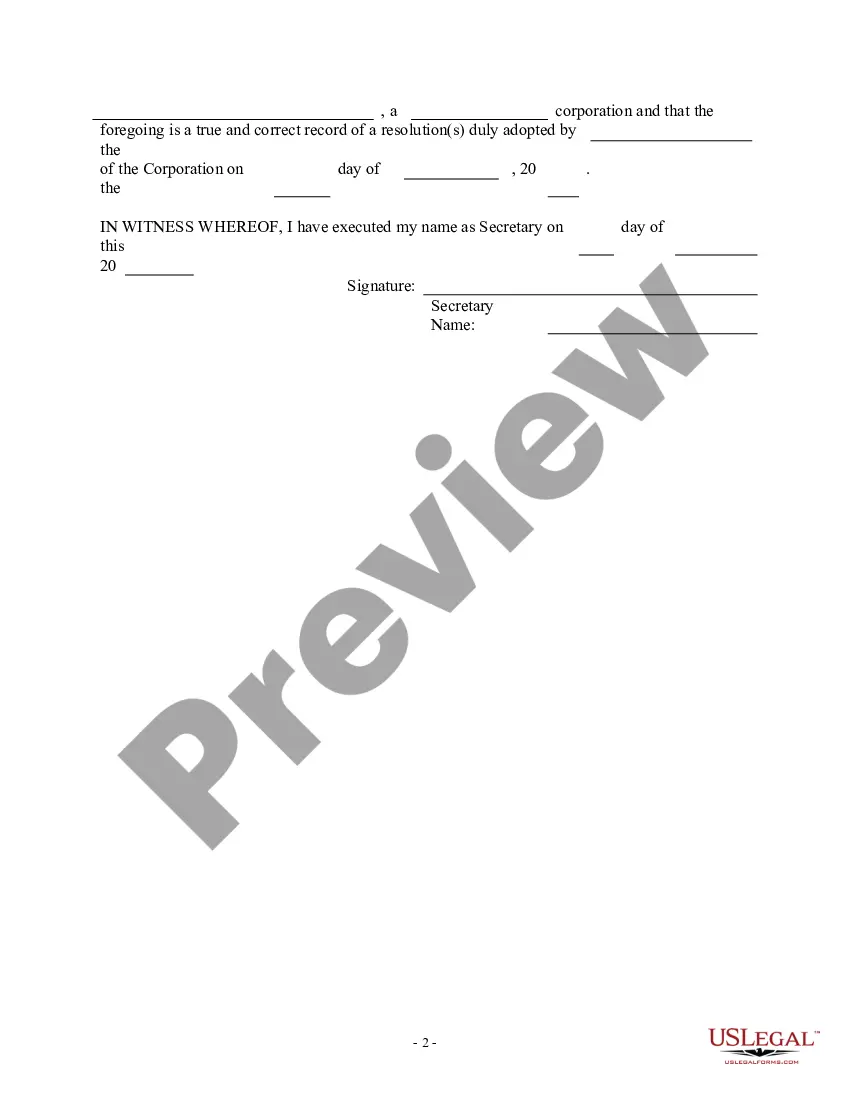


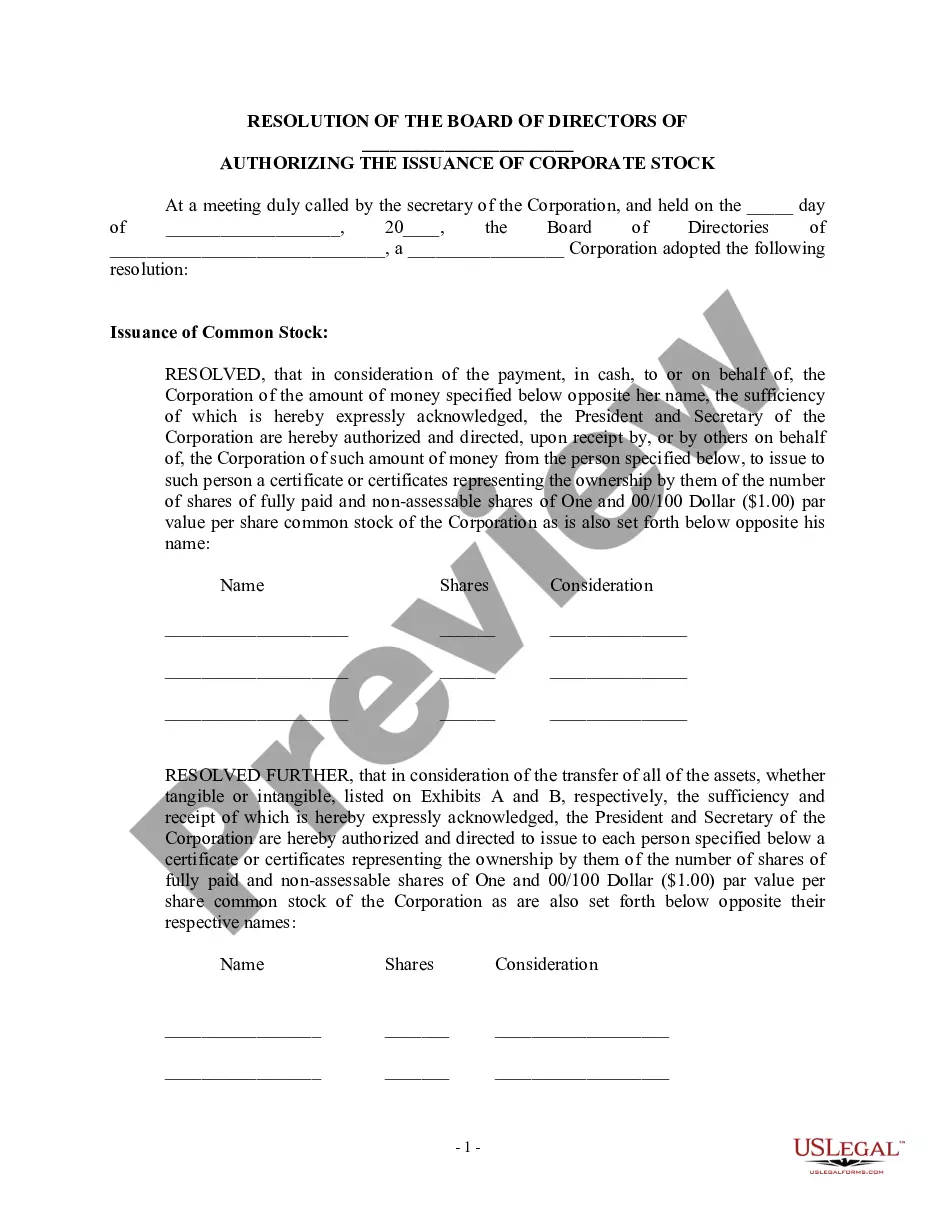
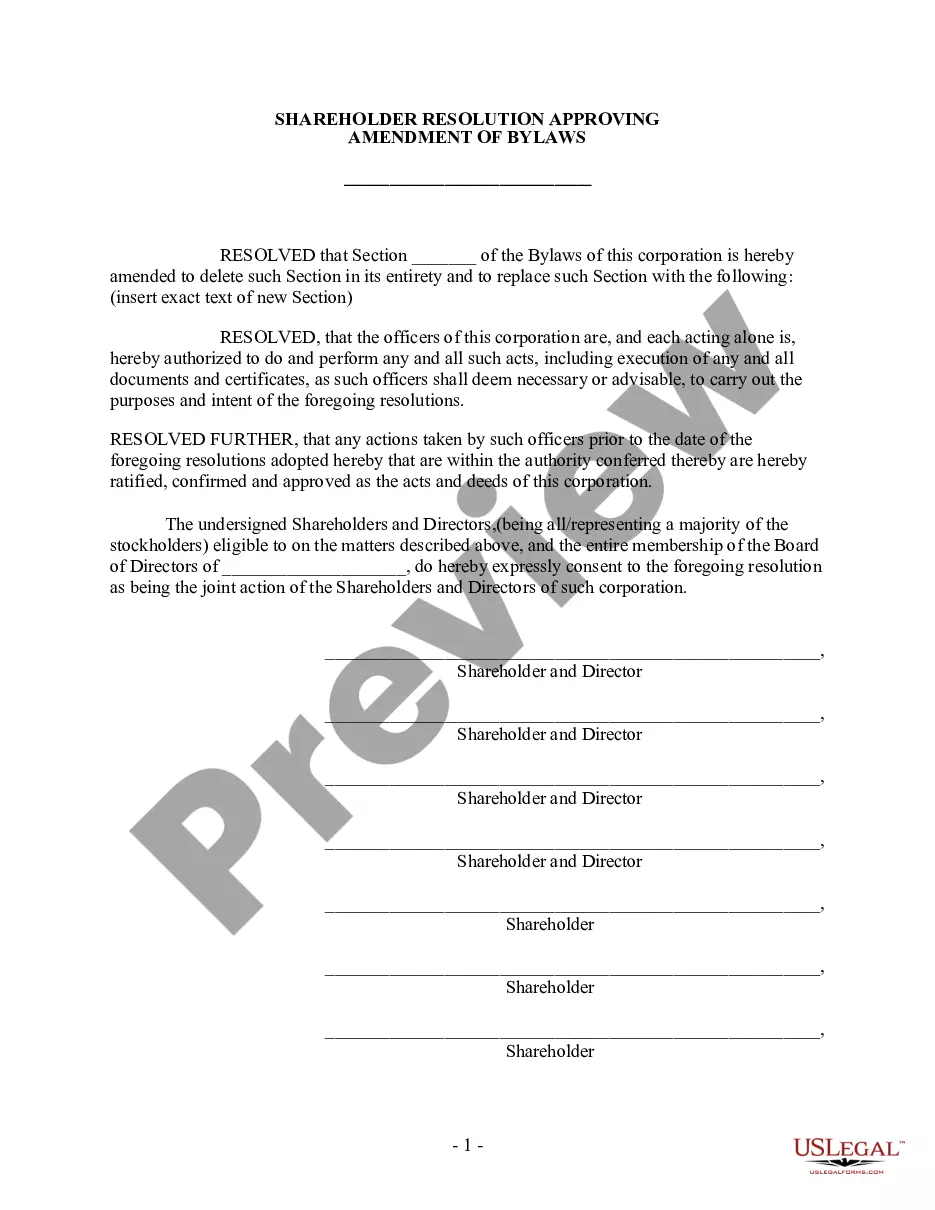
Get your form ready online
Our built-in tools help you complete, sign, share, and store your documents in one place.
Make edits, fill in missing information, and update formatting in US Legal Forms—just like you would in MS Word.
Download a copy, print it, send it by email, or mail it via USPS—whatever works best for your next step.
Sign and collect signatures with our SignNow integration. Send to multiple recipients, set reminders, and more. Go Premium to unlock E-Sign.
If this form requires notarization, complete it online through a secure video call—no need to meet a notary in person or wait for an appointment.
We protect your documents and personal data by following strict security and privacy standards.

Make edits, fill in missing information, and update formatting in US Legal Forms—just like you would in MS Word.

Download a copy, print it, send it by email, or mail it via USPS—whatever works best for your next step.

Sign and collect signatures with our SignNow integration. Send to multiple recipients, set reminders, and more. Go Premium to unlock E-Sign.

If this form requires notarization, complete it online through a secure video call—no need to meet a notary in person or wait for an appointment.

We protect your documents and personal data by following strict security and privacy standards.
Looking for another form?

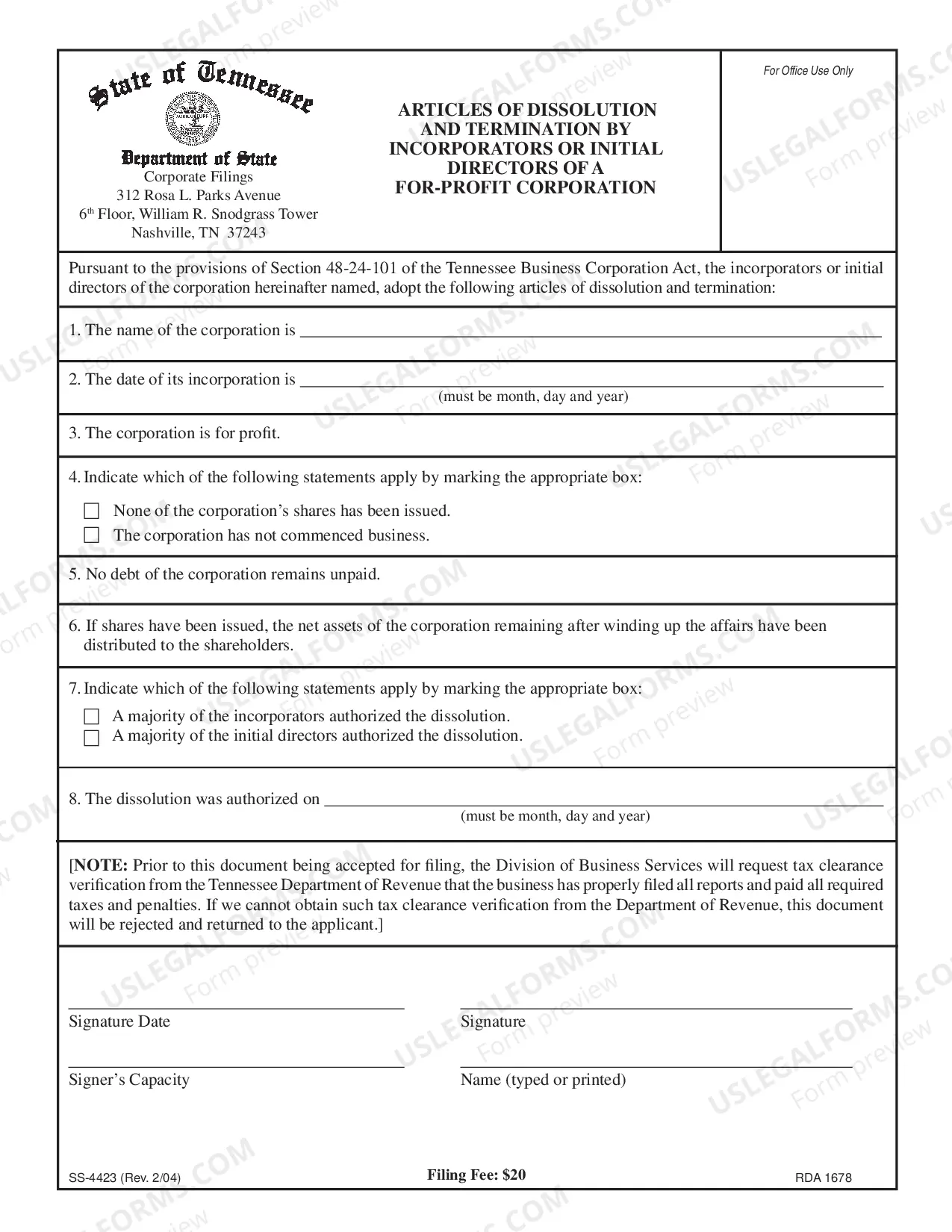






Form popularity
FAQ
In 2024, the California ("CA") Legislature was particularly active in developing and passing dozens of AI-related bills that aim to impose wide-ranging obligations ranging from safety, consumer transparency measures, reporting requirements, clarification of privacy safeguards, protections for performers and deceased ...
Key 2024 Statistics: State lawmakers across the United States introduced almost 700 AI-related bills in 2024 across 45 states. Of the bills that were introduced, 113 were ultimately enacted into law.
In 2020, Maryland enacted a law (MD HB 1202) prohibiting an employer from using certain facial recognition services during an applicant's interview for employment unless the applicant consents. Notably, the law does not contain an explicit cause of action to enforce violations.
As noted above, there is currently no comprehensive federal legislation in the US that directly regulates AI. ingly, there are currently no specific or unique federal obligations imposed on developers, users, operators and/or deployers of AI systems.
The US invests the most in AI, with $328,548 million spent in the last five years – $67,911 million in 2023 alone, a 65.94% increase from that of 2019. China places second with $132,665 million spent on AI between 2019 to 2023, around 60% less than the United States.
Today, President Biden issued an Executive Order to secure American leadership in artificial intelligence (AI) and ensure that the infrastructure needed for advanced AI operations—including large-scale data centers and new clean power infrastructure—can be built with speed and scale here in the United States.
As noted above, there are currently no comprehensive federal laws that directly regulate AI. ingly, there is no specific federal sectoral scope at this stage. Nevertheless, there are certain sector-specific frameworks that have been implemented in the US to regulate the use of AI.