Issued With Shares In Dallas
Description


Get your form ready online
Our built-in tools help you complete, sign, share, and store your documents in one place.
Make edits, fill in missing information, and update formatting in US Legal Forms—just like you would in MS Word.
Download a copy, print it, send it by email, or mail it via USPS—whatever works best for your next step.
Sign and collect signatures with our SignNow integration. Send to multiple recipients, set reminders, and more. Go Premium to unlock E-Sign.
If this form requires notarization, complete it online through a secure video call—no need to meet a notary in person or wait for an appointment.
We protect your documents and personal data by following strict security and privacy standards.

Make edits, fill in missing information, and update formatting in US Legal Forms—just like you would in MS Word.

Download a copy, print it, send it by email, or mail it via USPS—whatever works best for your next step.

Sign and collect signatures with our SignNow integration. Send to multiple recipients, set reminders, and more. Go Premium to unlock E-Sign.

If this form requires notarization, complete it online through a secure video call—no need to meet a notary in person or wait for an appointment.

We protect your documents and personal data by following strict security and privacy standards.
Looking for another form?







Form popularity
FAQ
Find and open the most recent 'Confirmation statement' (if the company has filed one). If this does not include share/shareholder information, access the previous confirmation statement (if it has filed one)
The number of issued shares is recorded on a company's balance sheet as capital stock or owners' equity, while the shares outstanding (issued shares minus any shares in the treasury) are listed on the company's quarterly filings with the Securities and Exchange Commission.
Issued shares are those shares which the board of directors and/or shareholders have agreed to issue, and which have been issued. Issued shares are the sum of outstanding shares held by shareholders; and treasury shares are shares which had been issued but have been repurchased by the corporation.
They are “issued” because they have been sold. They are “outstanding” because they have been sold to the public (not to the owners or managers of the company).
The balance sheet method Therefore, if you have the balance sheet entry and the par value, you can calculate the issued share count. In some cases, there will be a separate line item on the balance sheet for treasury stock, and a similar calculation can tell you the number of shares issued but not outstanding.
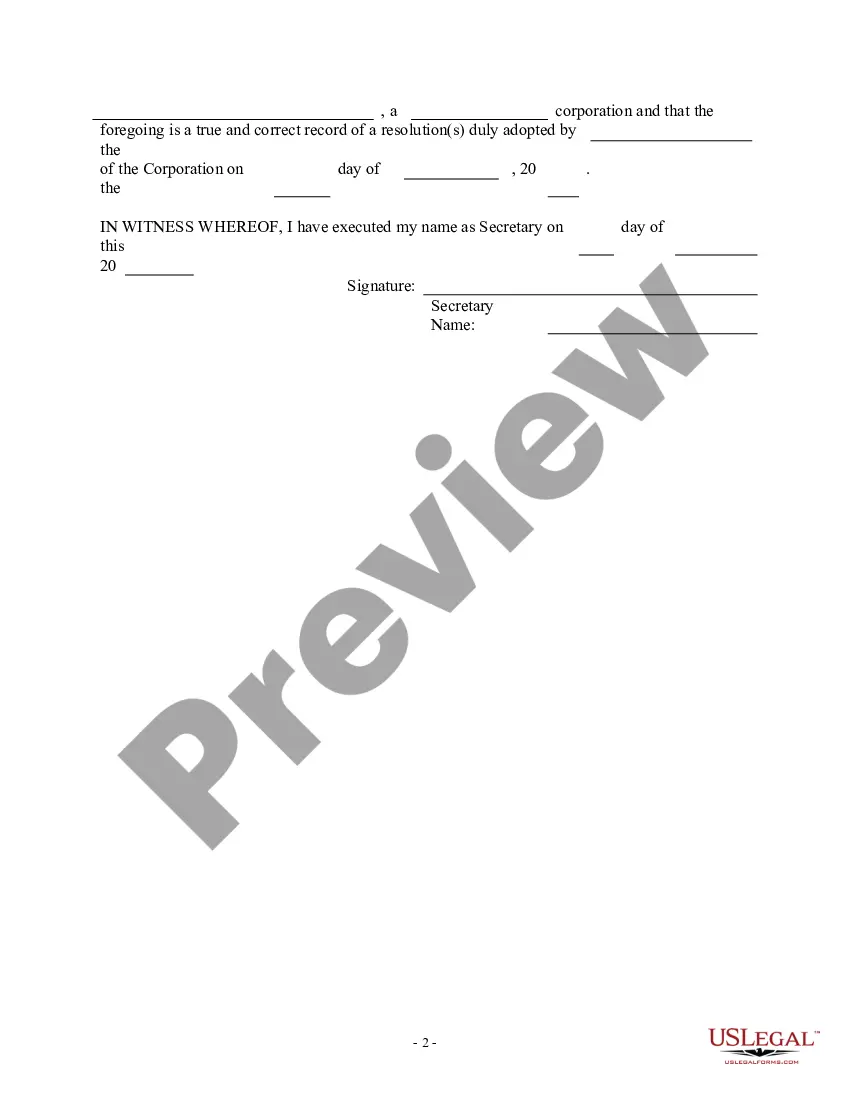
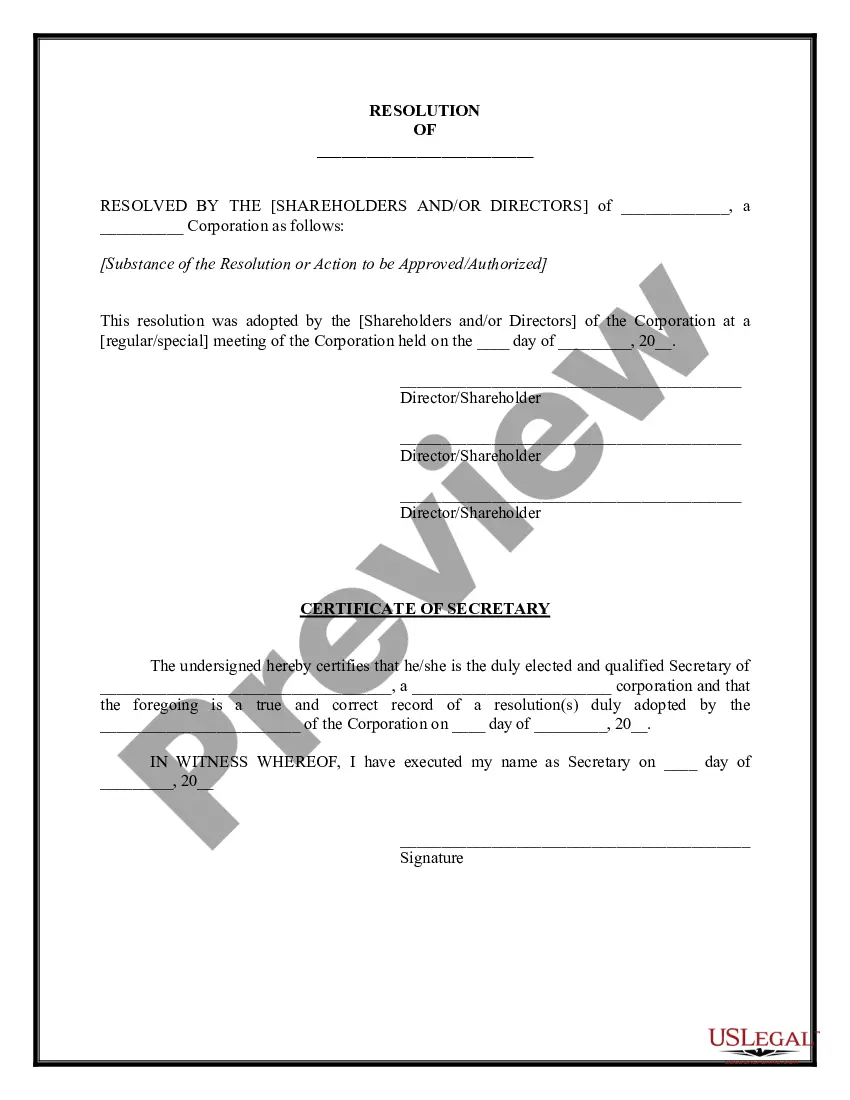
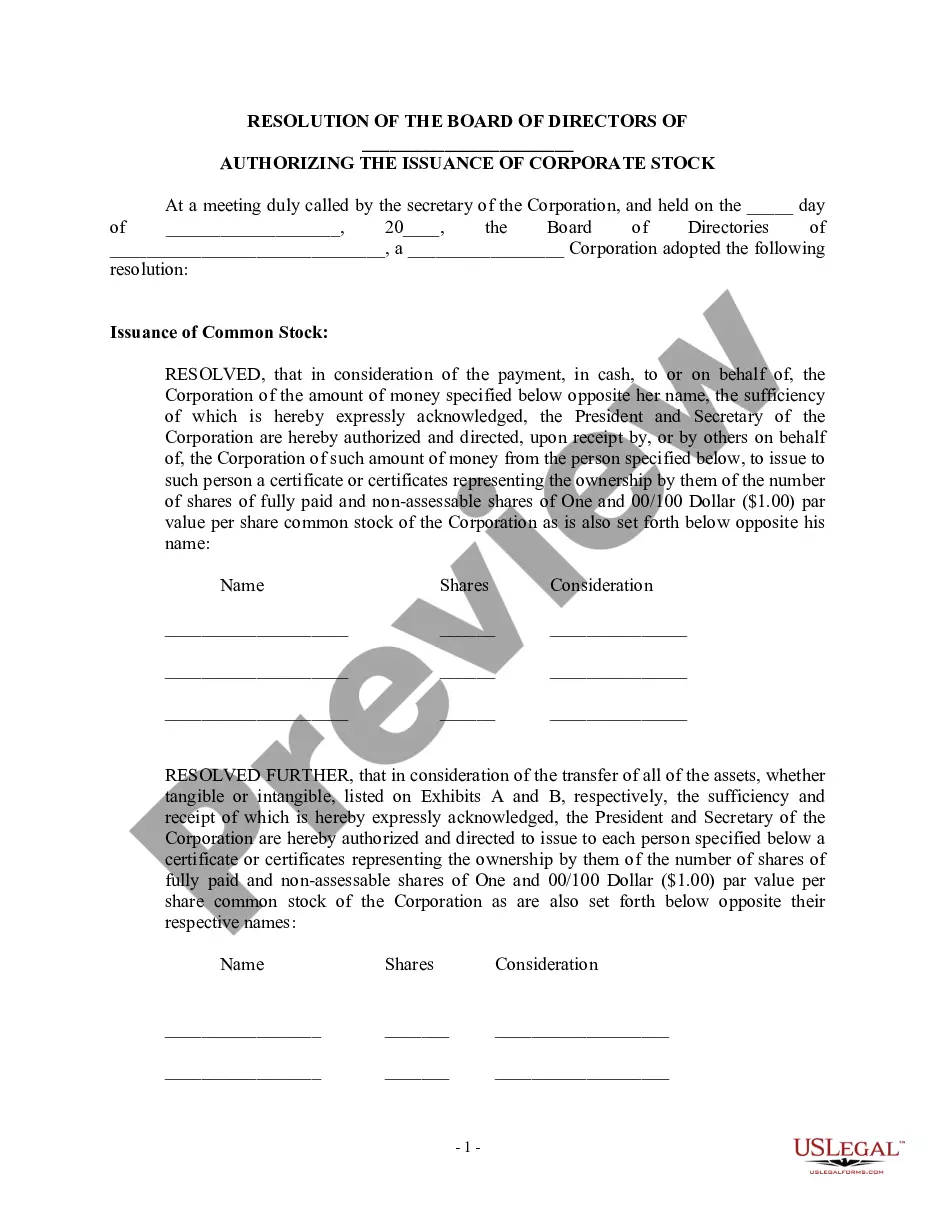
Required documents: Power of attorney (in case of remote registration) Signed consent of the company to issue new shares. Signed consent of the existing shareholders to issue new shares. Minutes of the general meeting of shareholders of a company on the issuance of new shares in the share capital of a company.
They are “authorized” because they fall within the maximum number of shares a company can sell ing to its corporate charter. They are “issued” because they have been sold. They are “outstanding” because they have been sold to the public (not to the owners or managers of the company).
To buy shares in a company either an existing shareholder has to give up or sell their shares, or the company will need to create new shares. However, the creation of new shares will impact the shares already in existence as the total always has to be 100%.
There are seven steps you'll complete to start an S corp in Texas. Step 1: Check Name Availability. Step 2: Choose a Business Name. Step 3: Registered Agent. Step 4: Complete Form 201. Step 5: Bylaws and Regulations. Step 6: Obtain EIN. Step 7: File Form 2553.
The secretary of state does not maintain the bylaws or tax exempt filings of any nonprofit organization. Some organizations that have obtained tax-exempt status from the Internal Revenue Service are required to make certain documents available to the public.
