Outstanding Shares Ford In Arizona
Description




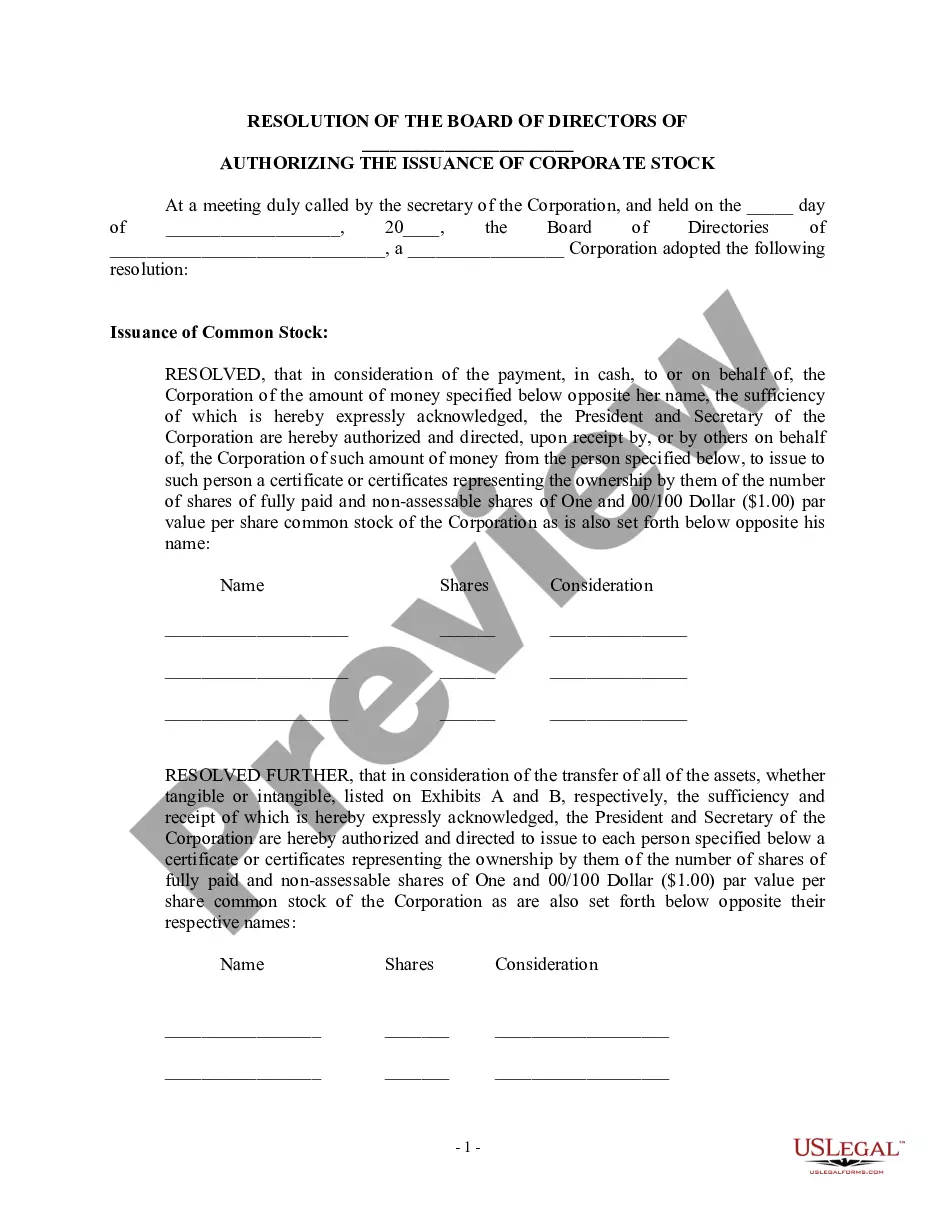
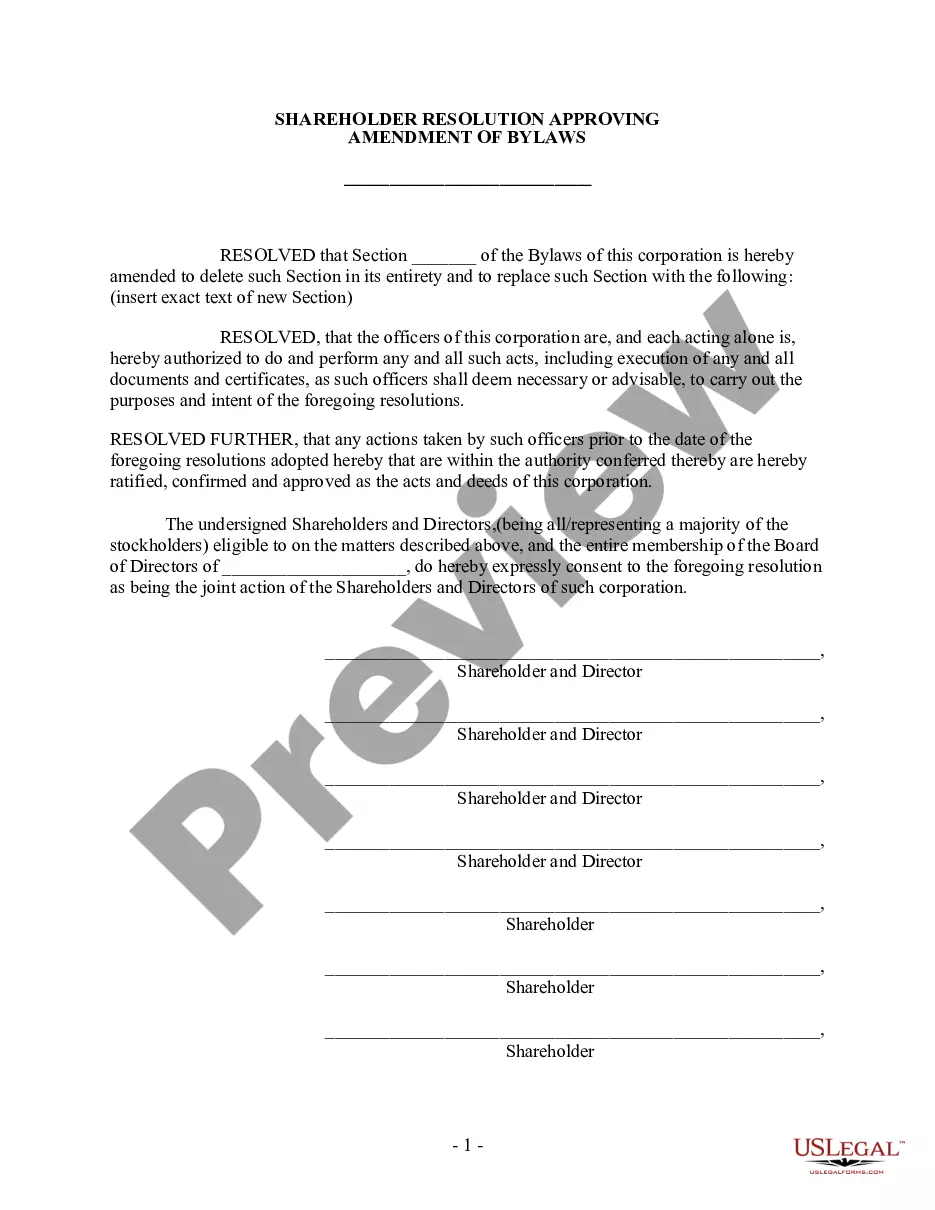
Get your form ready online
Our built-in tools help you complete, sign, share, and store your documents in one place.
Make edits, fill in missing information, and update formatting in US Legal Forms—just like you would in MS Word.
Download a copy, print it, send it by email, or mail it via USPS—whatever works best for your next step.
Sign and collect signatures with our SignNow integration. Send to multiple recipients, set reminders, and more. Go Premium to unlock E-Sign.
If this form requires notarization, complete it online through a secure video call—no need to meet a notary in person or wait for an appointment.
We protect your documents and personal data by following strict security and privacy standards.

Make edits, fill in missing information, and update formatting in US Legal Forms—just like you would in MS Word.

Download a copy, print it, send it by email, or mail it via USPS—whatever works best for your next step.

Sign and collect signatures with our SignNow integration. Send to multiple recipients, set reminders, and more. Go Premium to unlock E-Sign.

If this form requires notarization, complete it online through a secure video call—no need to meet a notary in person or wait for an appointment.

We protect your documents and personal data by following strict security and privacy standards.
Looking for another form?







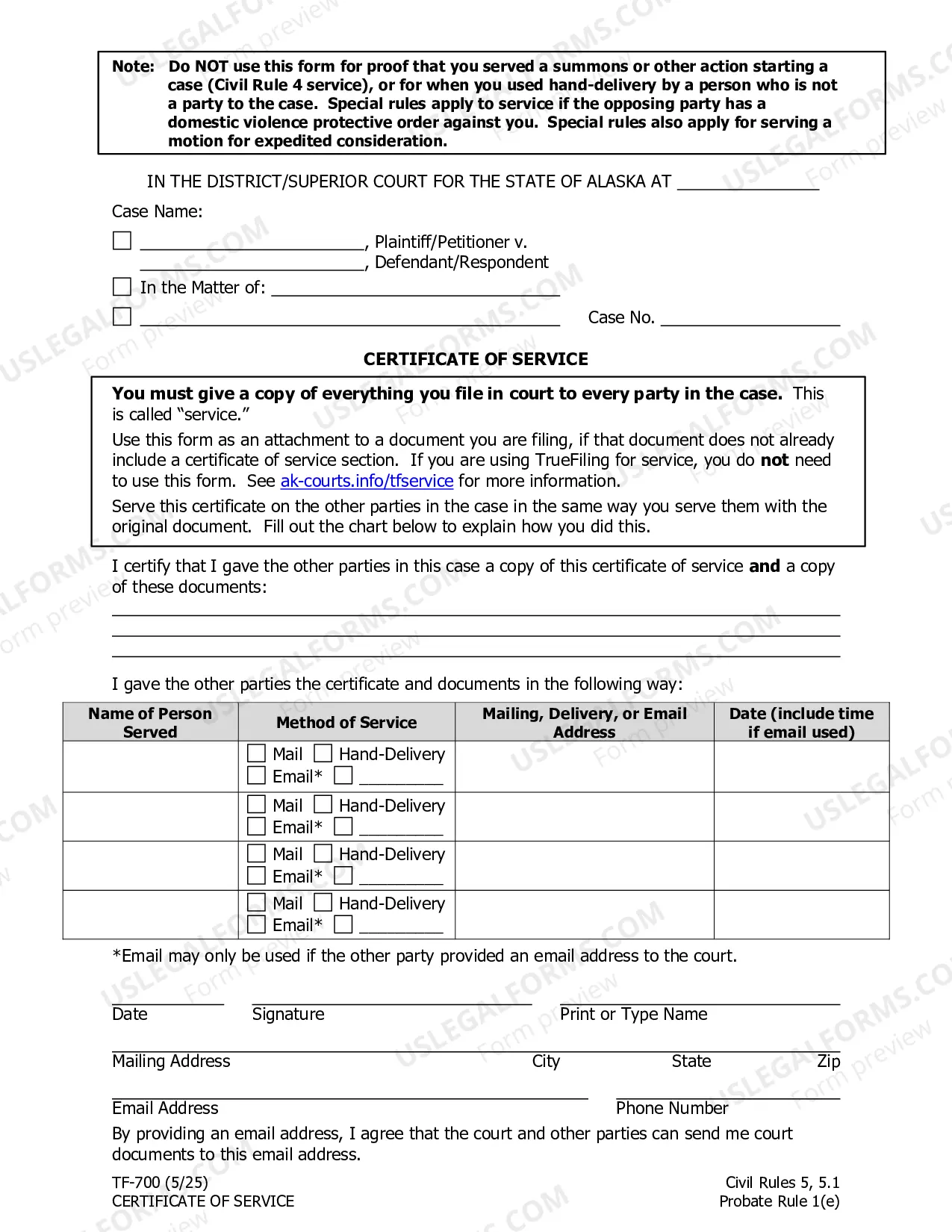


Form popularity
FAQ
The formula for calculating the shares outstanding consists of subtracting the shares repurchased from the total shares issued to date.
1) Companies usually disclose the number of shares outstanding in their financial statements, such as their balance sheet or income statement. 2) Most companies have an investor relations section on their website which provides information on the number of shares outstanding.
Following are the formulas you can use to calculate the shares outstanding of a firm: Shares outstanding = Floating stock + Restricted shares. Shares outstanding = Shares issued - Shares repurchased. Shares outstanding = Authorised shares - Treasury stock.
The number of shares outstanding is listed on a company's balance sheet as "Capital Stock" and is reported on the company's quarterly filings with the US Securities and Exchange Commission. The number of shares outstanding can also be found in the capital section of a company's annual report.
Shares outstanding is the total number of shares issued and actively held by stockholders. Floating stock is the result of subtracting closely-held shares from the total shares outstanding to provide a narrower view of a company's active shares.
All companies must report their common stock outstanding on their balance sheet. The easiest way to calculate the number is to simply look it up. You can do that by navigating to the company's investor-relations webpage, finding its financial reporting, and opening up its most recent 10-Q or 10-K filing.
Henry Ford: second-generation immigrant, entrepreneur, and founding father of one of America's most famous companies. By making cars affordable for the masses, he built up a fortune that would be worth around $200 billion today.
What percentage of Ford Motor (F) stock is held by retail investors? ing to the latest TipRanks data, approximately 63.90% of Ford Motor (F) stock is held by retail investors. Who owns the most shares of Ford Motor (F)? Vanguard owns the most shares of Ford Motor (F).
The largest shareholders in December 2023 were: The Vanguard Group (8.71%) BlackRock (7.20%) State Street Corporation (4.46%) Newport Trust (3.98%) Charles Schwab Corporation (2.25%) Geode Capital Management (1.94%) Fisher Investments (1.52%) Morgan Stanley (1.31%)
While having a large number of shares outstanding can provide a startup with various benefits such as increased liquidity and access to capital, it can also come with risks such as dilution, shareholder disputes, and takeover threats.
