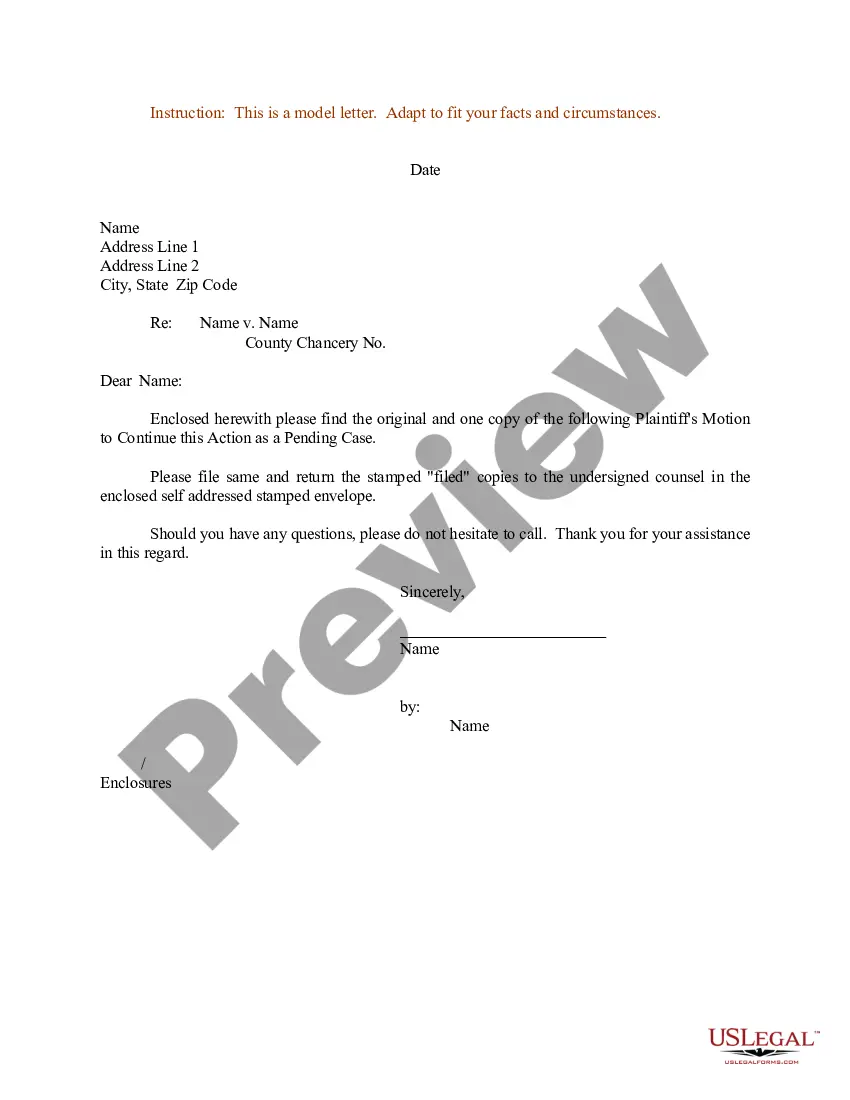
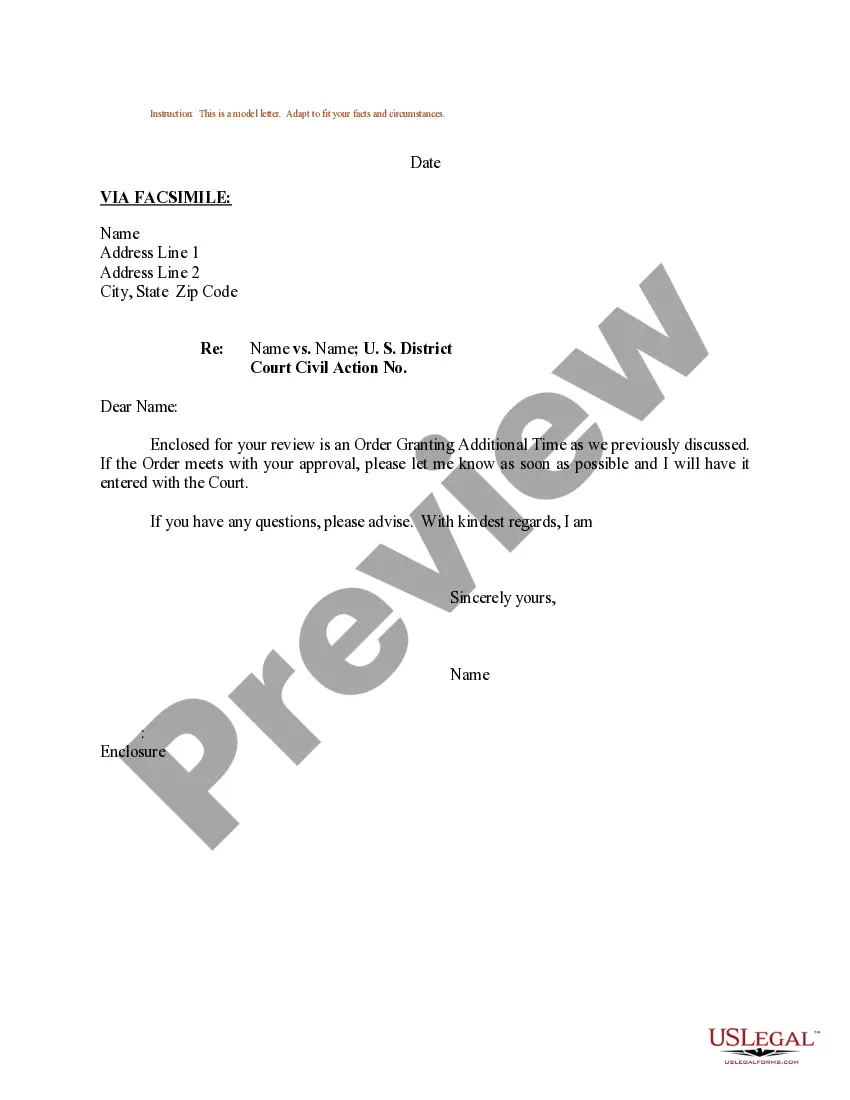
Sample Example Of Formal Letter In Virginia
Description



Get your form ready online
Our built-in tools help you complete, sign, share, and store your documents in one place.
Make edits, fill in missing information, and update formatting in US Legal Forms—just like you would in MS Word.
Download a copy, print it, send it by email, or mail it via USPS—whatever works best for your next step.
Sign and collect signatures with our SignNow integration. Send to multiple recipients, set reminders, and more. Go Premium to unlock E-Sign.
If this form requires notarization, complete it online through a secure video call—no need to meet a notary in person or wait for an appointment.
We protect your documents and personal data by following strict security and privacy standards.

Make edits, fill in missing information, and update formatting in US Legal Forms—just like you would in MS Word.

Download a copy, print it, send it by email, or mail it via USPS—whatever works best for your next step.

Sign and collect signatures with our SignNow integration. Send to multiple recipients, set reminders, and more. Go Premium to unlock E-Sign.

If this form requires notarization, complete it online through a secure video call—no need to meet a notary in person or wait for an appointment.

We protect your documents and personal data by following strict security and privacy standards.
Looking for another form?








Form popularity
FAQ
Formal letters are used for formal communications and follow a precise and professional format. Formal letters always begin with the sender and recipient's addresses, contact information, the date and a salutation. Knowing how to address a formal letter is important for professional or official communications.
How to write a formal letter Write your name and contact information. Include the date. Include the recipient's name and contact information. Write a subject line for AMS style. Write a salutation for block style. Write the body of the letter. Include a sign-off. Proofread your letter.
Some formal letter examples include: Cover letter. Offer acceptance letter. Professional thank you letter. Business letter. Sales letter. Termination letter. Letter of intent. Letter of recommendation.
Examples of formal letters include business letters, cover letters, or job applications, while examples of informal letters include letters to friends, thank-you notes, or invitations.
More Formal Letter Samples, Application for ATM CardCheque Book Request Letter Application for Bank Statement Complaint Letter Format Application For Character Certificate Consent Letter Application for Closing Bank Account Enquiry Letter Application for College Leaving Certificate Formal Invitation Letter10 more rows
The full date when the letter is written, including the month, day, and year. The recipient's name, title (if applicable), company/organization name, street address, city, state/province, and postal/zip code. The formal greeting addresses the recipient (e.g., Dear Mr./Ms. Last Name).
Types of Formal Letters Letter of Enquiry. Order Letter. Letter of Complaint. Reply to a Letter of Complaint. Promotion Letter. Sales Letter. Recovery Letter.
Your full name should be on the first line. Your full address, including postcode, should be underneath this (using separate lines for each new line of your address). Your email address should then be immediately underneath this. The date (writing the month and year in full) should immediately follow beneath this.
Step 2: Address Your Mail Envelopes: Write your address (the "return" or "sender" address) in the top left corner. Write the delivery address (the "recipient" address) in the bottom center.
Most formal letters will start with 'Dear' before the name of the person that you are writing to. You can choose to use first name and surname, or title. and surname. However, if you don't know the name of the person you are writing to, you must use 'Dear Sir or Madam,'.

