Best Cover Letter For Cv In Utah
Description

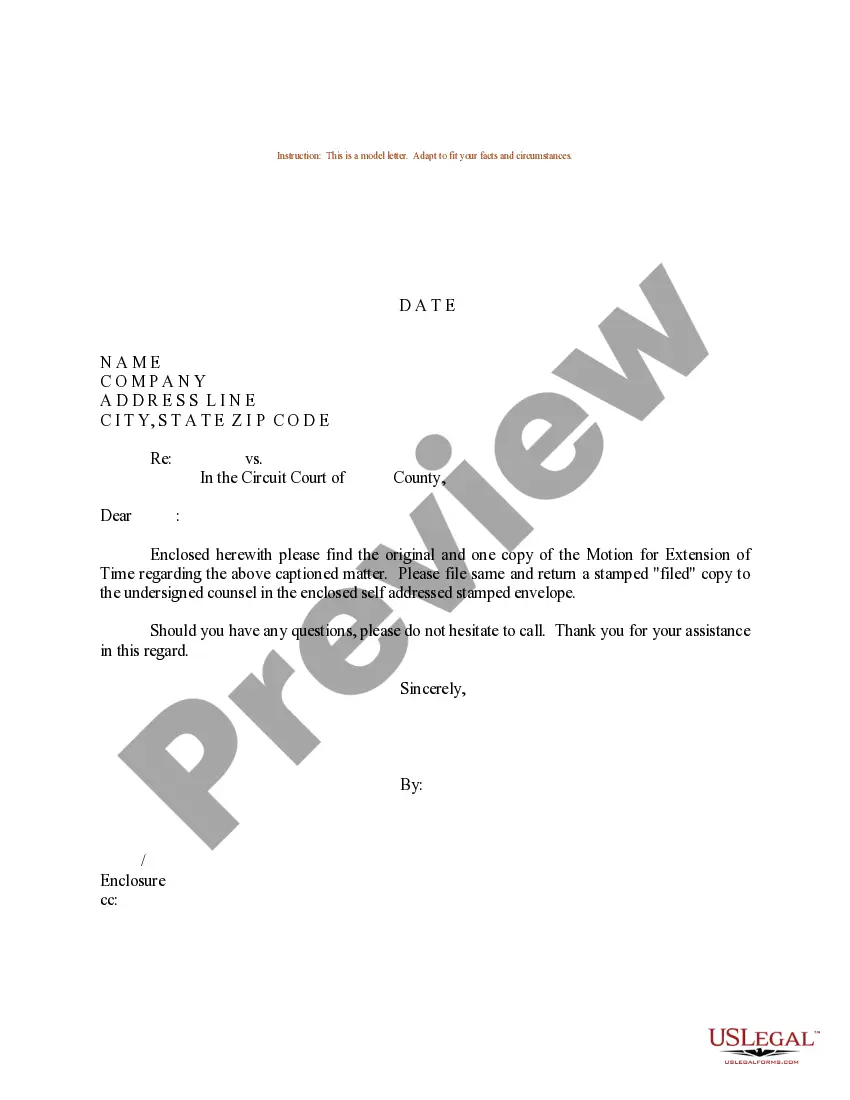
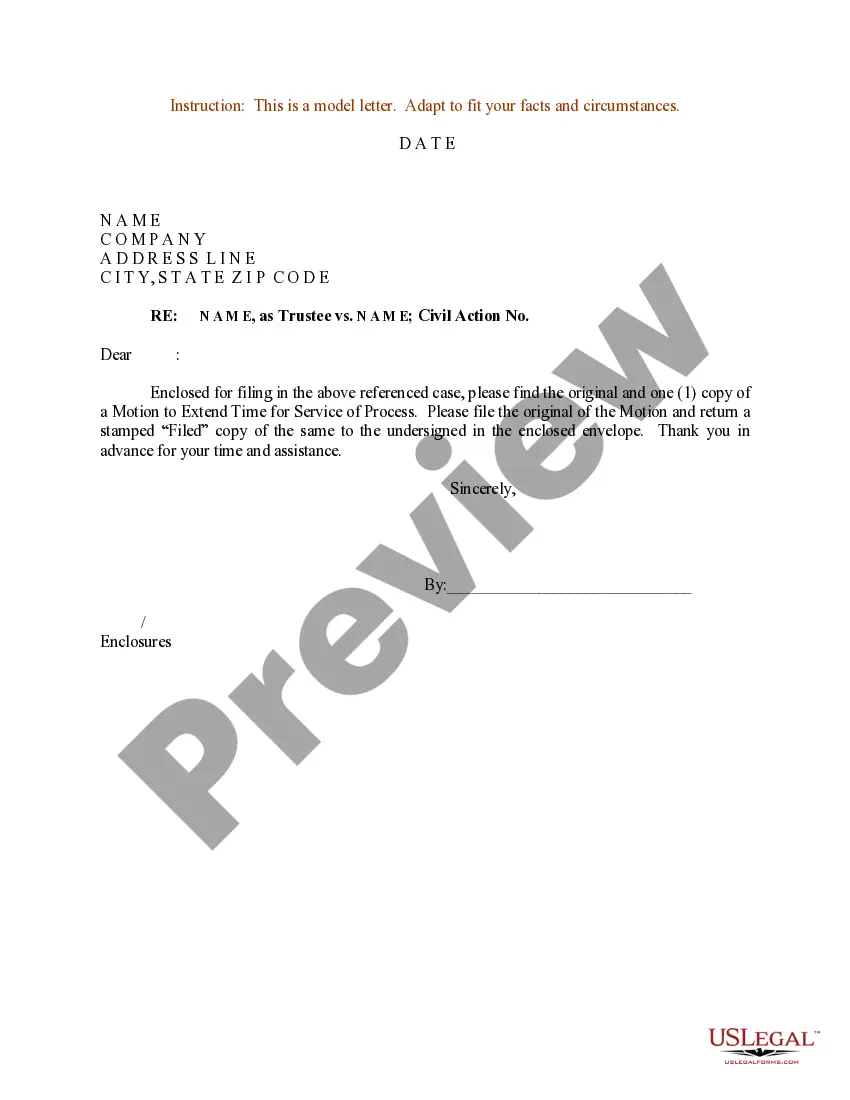
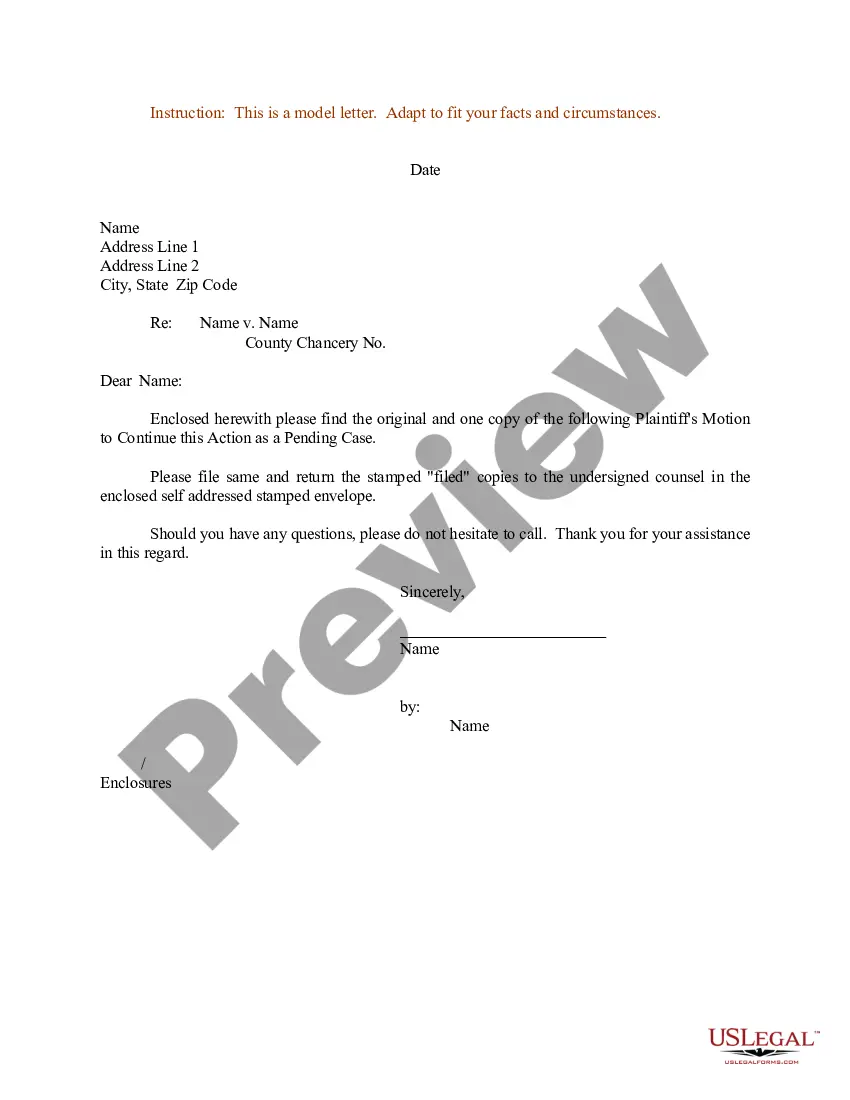
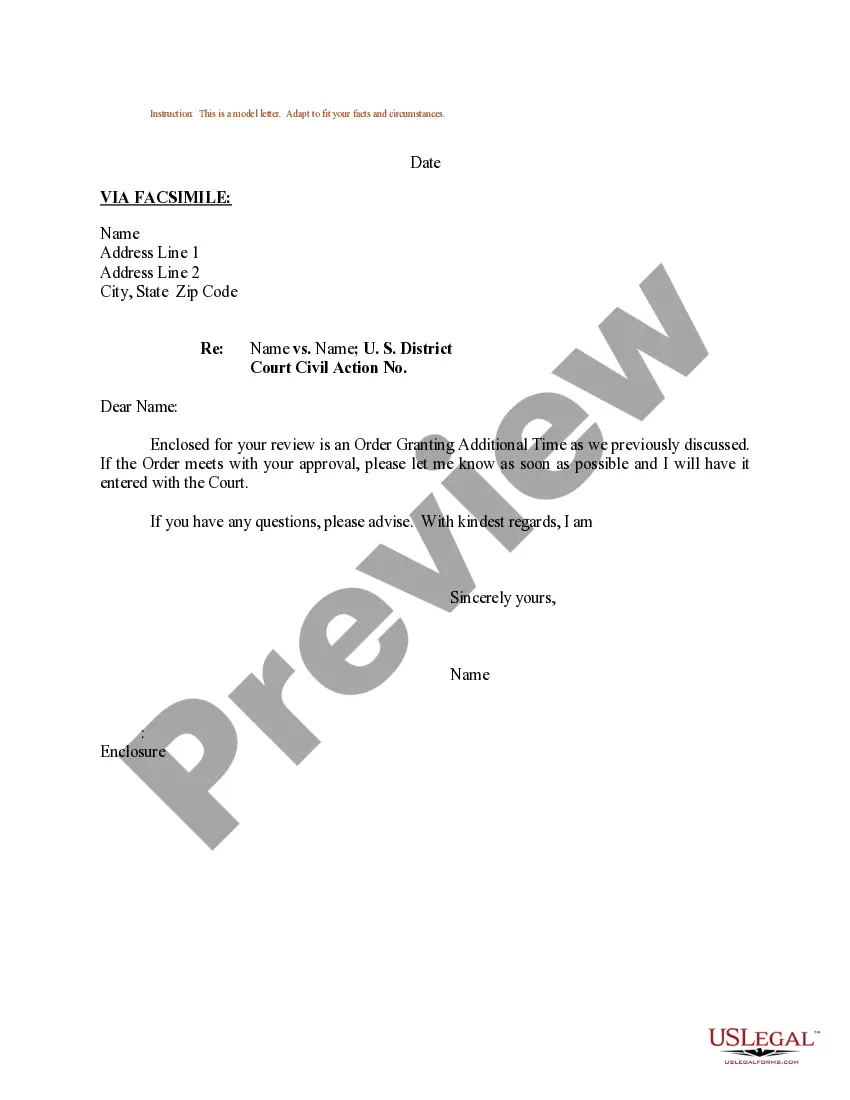
Get your form ready online
Our built-in tools help you complete, sign, share, and store your documents in one place.
Make edits, fill in missing information, and update formatting in US Legal Forms—just like you would in MS Word.
Download a copy, print it, send it by email, or mail it via USPS—whatever works best for your next step.
Sign and collect signatures with our SignNow integration. Send to multiple recipients, set reminders, and more. Go Premium to unlock E-Sign.
If this form requires notarization, complete it online through a secure video call—no need to meet a notary in person or wait for an appointment.
We protect your documents and personal data by following strict security and privacy standards.

Make edits, fill in missing information, and update formatting in US Legal Forms—just like you would in MS Word.

Download a copy, print it, send it by email, or mail it via USPS—whatever works best for your next step.

Sign and collect signatures with our SignNow integration. Send to multiple recipients, set reminders, and more. Go Premium to unlock E-Sign.

If this form requires notarization, complete it online through a secure video call—no need to meet a notary in person or wait for an appointment.

We protect your documents and personal data by following strict security and privacy standards.
Looking for another form?






Form popularity
FAQ
It's generally preferred to submit the cover letter and CV as separate documents, allowing each to be reviewed independently. This ensures clarity and makes it easier for recruiters to navigate your application materials. For more advice on job application etiquette, check out my Quora Profile.
Most recruiters will begin by reading the candidate's resume. The cover letter is typically used to elaborate on certain aspects of the candidate's experience, such as job gaps or employment history.
Beyond that, Siegel boils down the most important things to include in a cover letter to three points. "Show enthusiasm, show you've done research, and show you want to come in there and make a contribution," he says.
Cover letter first, generally.
Does a cover letter go before a CV? Usually, a cover letter is read before a CV. The idea of adding a cover letter is to present your: Professional history.
Tips for writing a cover letter use the same font and size as you do for your CV, so it looks consistent. make sure the company name and recruiter's details are correct. use the right language and tone: keep it professional and match the keywords used by the employer in their job advert.
It's common for recruiters and hiring managers to receive hundreds of applications for a popular role. While CV's are a great way to highlight a candidate's work experience and unique skill set, a cover letter is customised to highlight the specific value they feel they can bring to the role in question.
A potential employer might use a cover letter as an introduction to you before moving on to your CV, so it's important to make a strong impression.
Follow these steps to combine your resume and cover letter into a single file: Determine which document to add first. Revise and review both documents. Open a new document. Insert each document into the new file. Create a page break. Confirm in an email.
A cover letter should effectively highlight your suitability for a job in three primary paragraphs; one to grab the recruitment manager's attention and explain why you're applying, one or two to detail your qualifications and how they match the job's requirements, and one to express gratitude for their time and ...

