Motion Time Form With 2 Points In Texas
Description

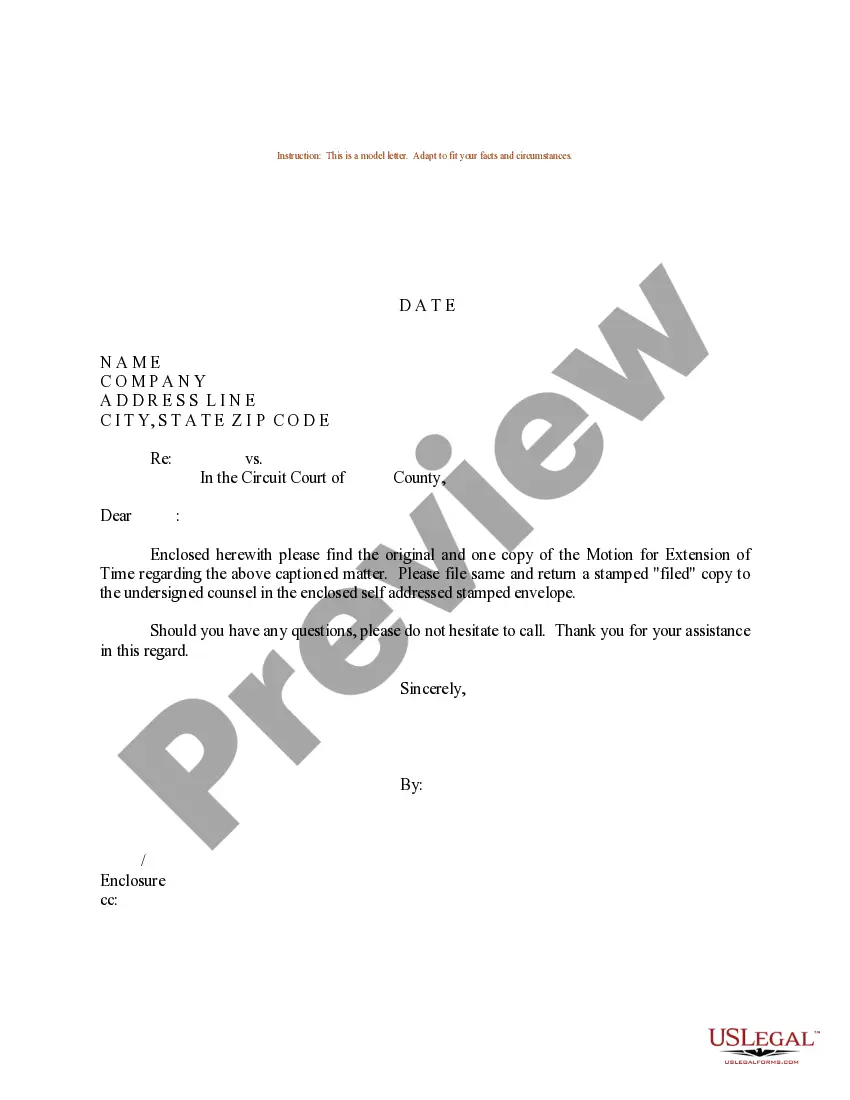
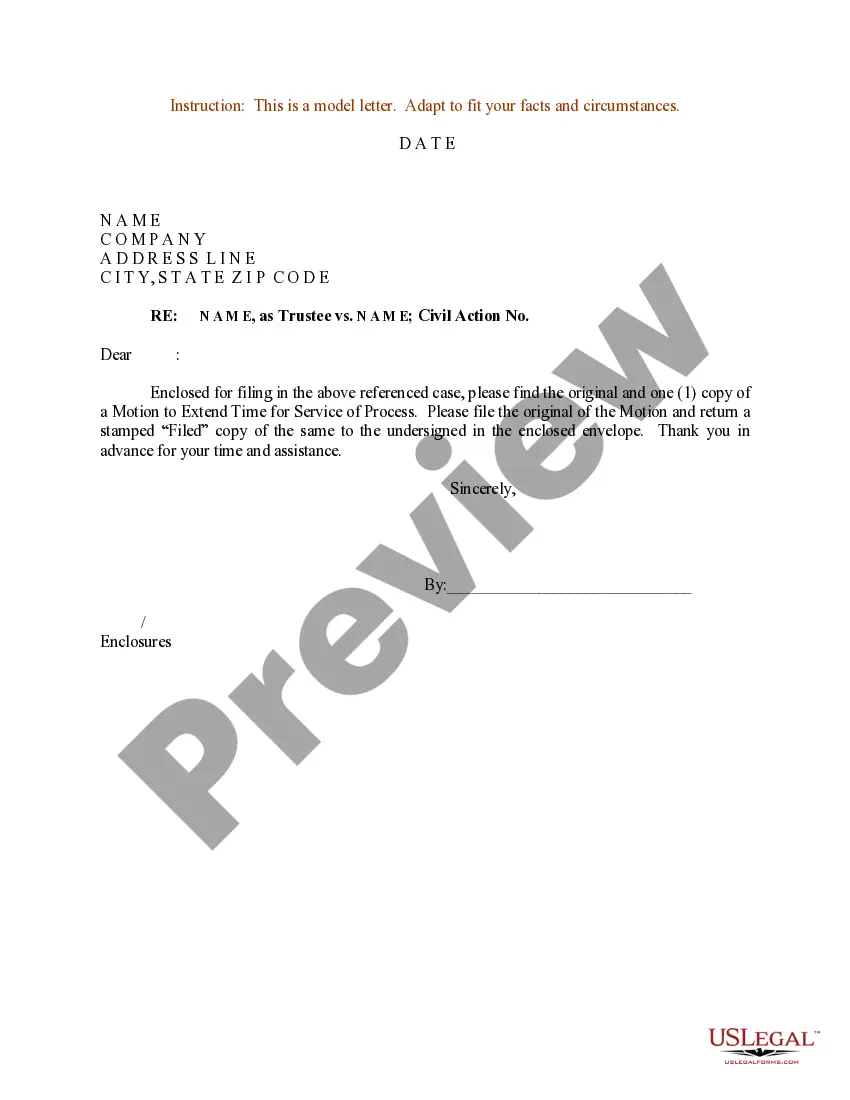
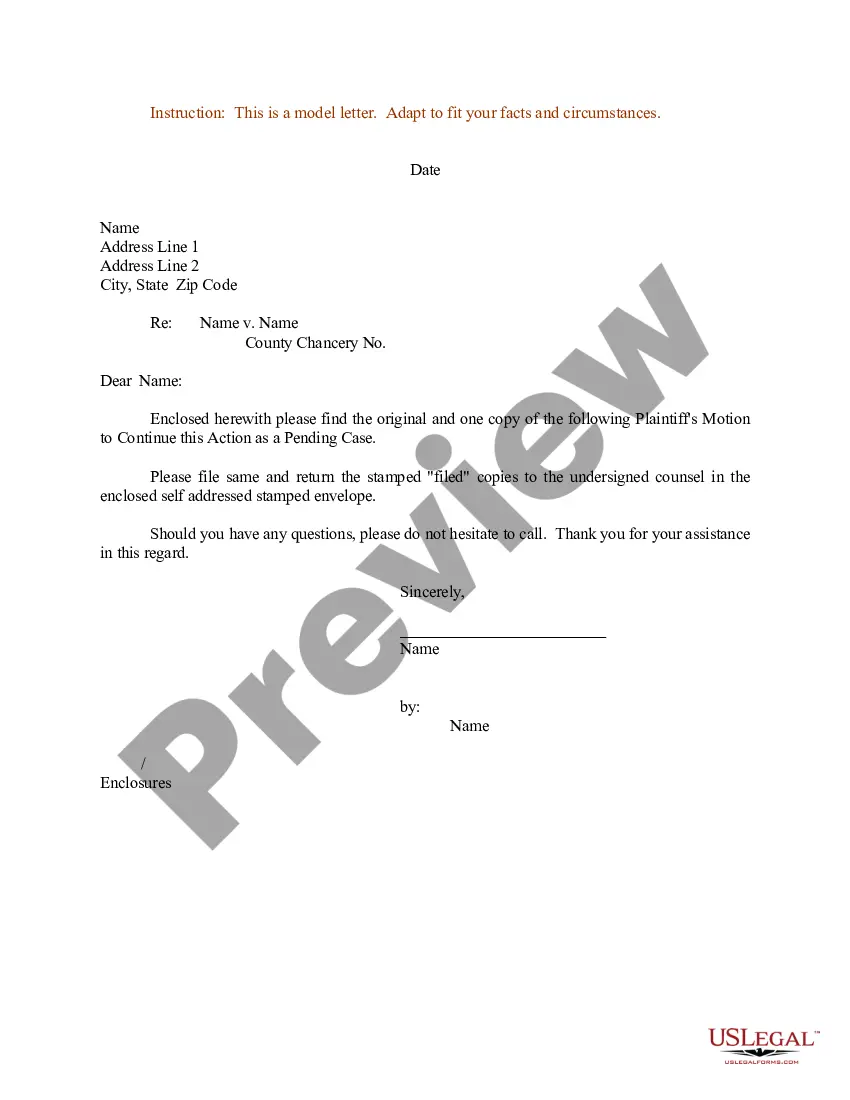
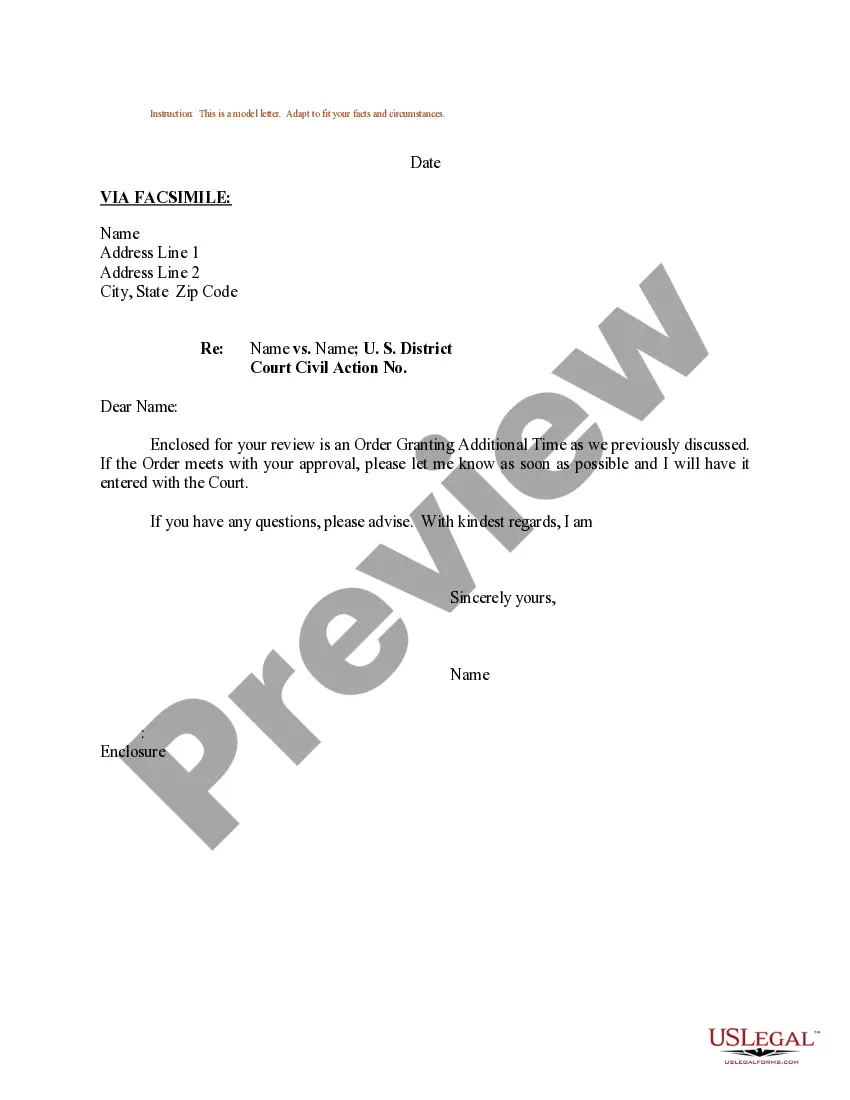
Get your form ready online
Our built-in tools help you complete, sign, share, and store your documents in one place.
Make edits, fill in missing information, and update formatting in US Legal Forms—just like you would in MS Word.
Download a copy, print it, send it by email, or mail it via USPS—whatever works best for your next step.
Sign and collect signatures with our SignNow integration. Send to multiple recipients, set reminders, and more. Go Premium to unlock E-Sign.
If this form requires notarization, complete it online through a secure video call—no need to meet a notary in person or wait for an appointment.
We protect your documents and personal data by following strict security and privacy standards.

Make edits, fill in missing information, and update formatting in US Legal Forms—just like you would in MS Word.

Download a copy, print it, send it by email, or mail it via USPS—whatever works best for your next step.

Sign and collect signatures with our SignNow integration. Send to multiple recipients, set reminders, and more. Go Premium to unlock E-Sign.

If this form requires notarization, complete it online through a secure video call—no need to meet a notary in person or wait for an appointment.

We protect your documents and personal data by following strict security and privacy standards.
Looking for another form?


Form popularity
FAQ
If you want to file a motion, the process is generally something like this: You write your motion. You file your motion with the court clerk. The court clerk inserts the date and time your motion will be heard by the judge. You “serve” (mail) your motion to the other side.
The first step in filing a motion for a new trial is to identify the specific grounds on which the motion will be based. As discussed earlier, these grounds can include legal errors, newly discovered evidence, procedural violations, or jury misconduct.
A motion to compel shall include the relevant portion of the discovery response at issue. A motion to compel shall not be filed less than 10 days before the first day of the hearing on the merits, unless good cause is shown.
(a) A person against whom an action under this subchapter is pending who does not receive the notice as required by Section 541.154 may file a plea in abatement not later than the 30th day after the date the person files an original answer in the court in which the action is pending.
Rule 92. General Denial (1941) A general denial of matters pleaded by the adverse party which are not required to be denied under oath, shall be sufficient to put the same in issue.
Rule 92. General Denial (1941) A general denial of matters pleaded by the adverse party which are not required to be denied under oath, shall be sufficient to put the same in issue.
The fact that Rule 107 precludes the rendition of a default judgment until the officer's return shall have been on file with the clerk for ,at least ten days, assures to the defendant and his attorney ample opportunity to make certain of the date of service, in event the officer fails to note said date on the copy ...

