Sample Letter Example In Suffolk
Description

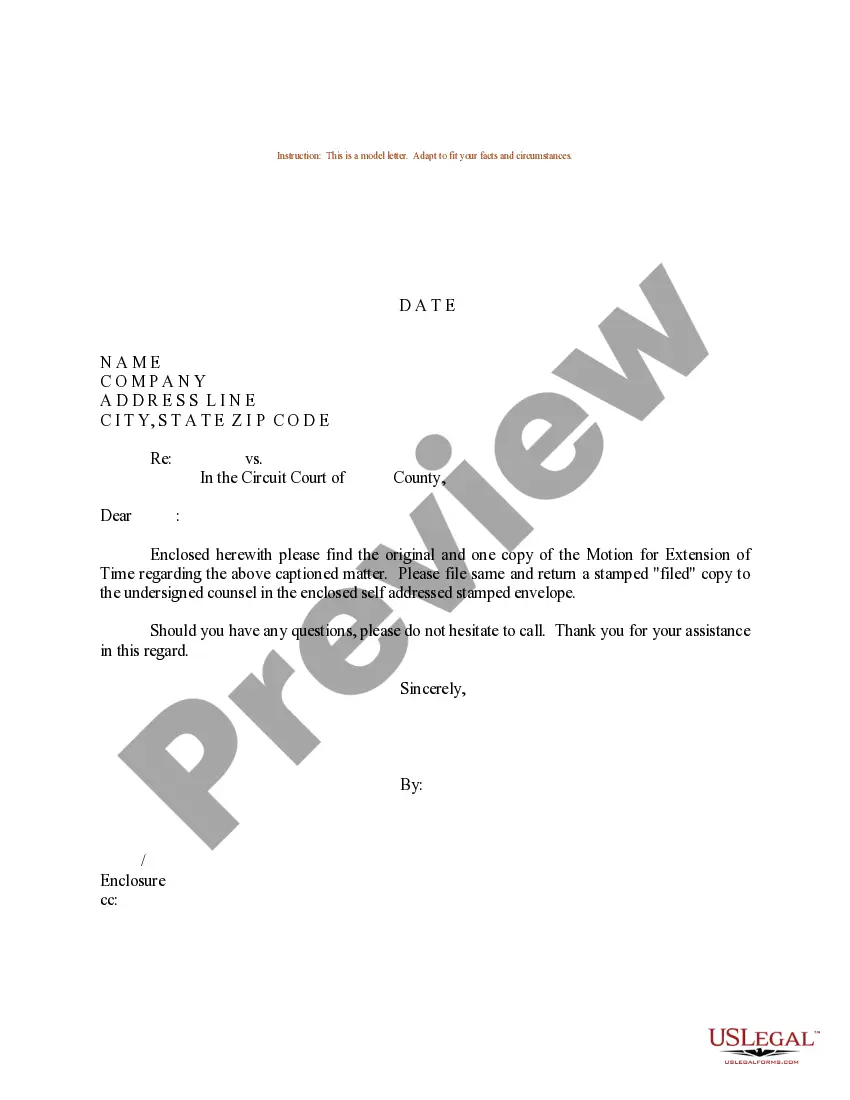
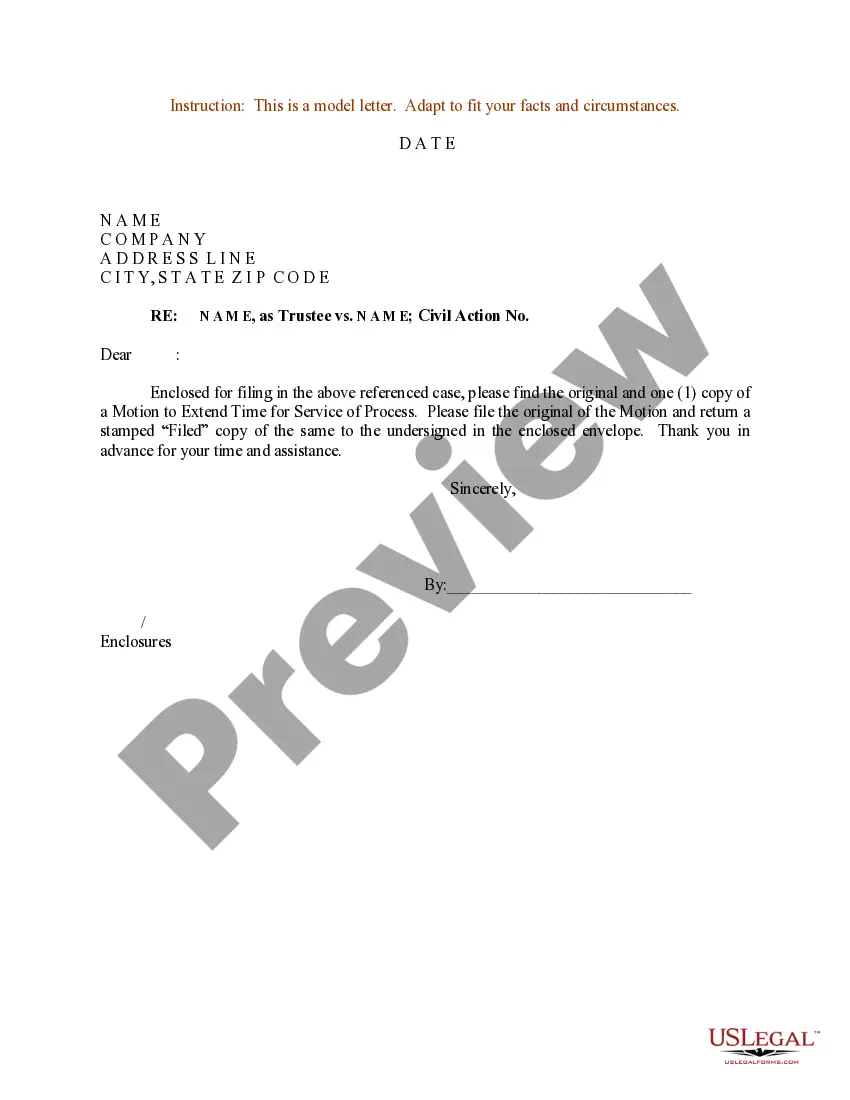
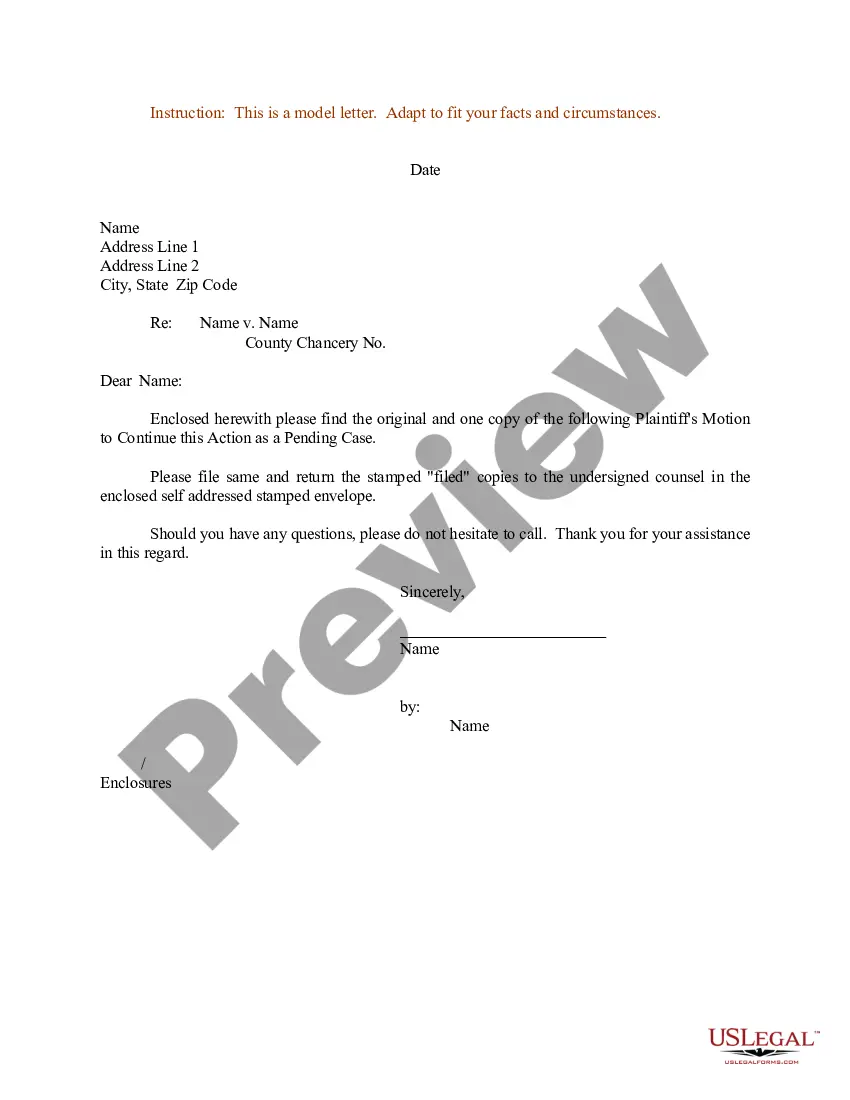
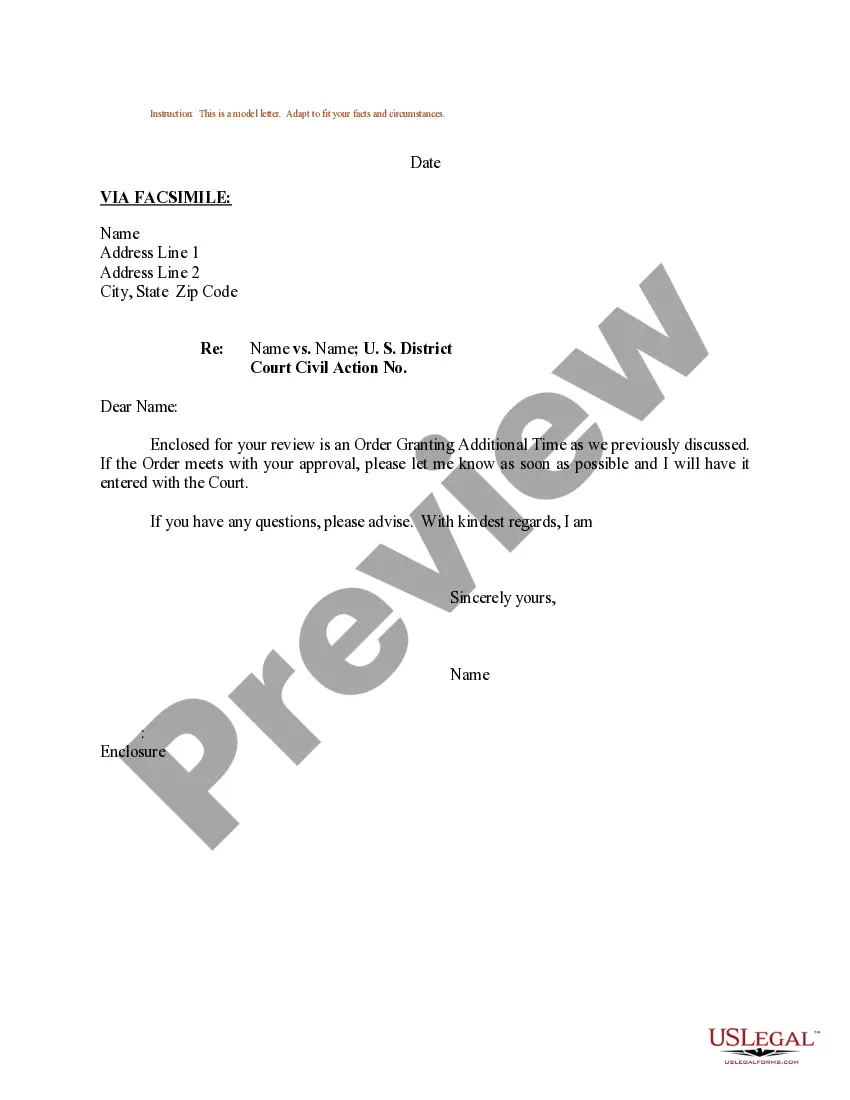
Get your form ready online
Our built-in tools help you complete, sign, share, and store your documents in one place.
Make edits, fill in missing information, and update formatting in US Legal Forms—just like you would in MS Word.
Download a copy, print it, send it by email, or mail it via USPS—whatever works best for your next step.
Sign and collect signatures with our SignNow integration. Send to multiple recipients, set reminders, and more. Go Premium to unlock E-Sign.
If this form requires notarization, complete it online through a secure video call—no need to meet a notary in person or wait for an appointment.
We protect your documents and personal data by following strict security and privacy standards.

Make edits, fill in missing information, and update formatting in US Legal Forms—just like you would in MS Word.

Download a copy, print it, send it by email, or mail it via USPS—whatever works best for your next step.

Sign and collect signatures with our SignNow integration. Send to multiple recipients, set reminders, and more. Go Premium to unlock E-Sign.

If this form requires notarization, complete it online through a secure video call—no need to meet a notary in person or wait for an appointment.

We protect your documents and personal data by following strict security and privacy standards.
Looking for another form?




Form popularity
FAQ
You don't need to state your availability. It is assumed if you are applying for a job that you will be available to start in a reasonable timeframe, which will be discussed after they've decided they're interested in hiring you.
A cover letter is an excellent opportunity for candidates to introduce themselves to potential employers in a personalized and concise way. It allows applicants to express their motivations, highlight their relevant skills and experiences and explain why they are the perfect fit for the job.
The following information should be included in your cover letter. Information about you. Date. Contact Person's Name, Title, Employer, and Address. Salutation. Opening Paragraph. Middle Paragraph. Second Middle Paragraph. Contact Information and Closing.
When writing a cover letter without an address, you have several options: Double-check for an address online. You may not have found it immediately, but diligent research can often turn up results. Use the address of the company headquarters. Use their P.O. Leave the address blank.
What is the purpose of a cover letter? Your cover letter complements your resume by making it easy for the employer to see how your experience and interest connect to the position. Your goal is to convince the employer to interview you.
How to write a relocation cover letter Explain why you're relocating. Your relocation cover letter needs to highlight why you plan on moving. Prove you've done your research. Give the company a timeframe and interview details. State your ties and commitment to the new area. Appropriately present your contact details.
It provides the hiring manager with further detail on how your skill set aligns with the role, what you can bring to the team and why you want the position. Cover letters also allow the recruiter and hiring manager to develop a better understanding of your suitability for a position.
How do I start my Small Claims or Commercial Small Claims case? You or someone else may start your case by filling out a Complaint Form (DC-283). The Complaint Form describes your claim to the Court. You may file by mail or you may file in person at one of the District Court courthouses.
Conclusion: Going to small claims court may be worth it for $500, but it will determine how you weigh your costs versus benefits. At a minimum, it is worth it to send a demand letter.
On Long Island, there are also dozens of town and village courts that handle small claims; use the New York court's website to locate a specific town or village court. Remember, the small claims limits in town and village courts is $3,000. While in district and city courts the small claims limit is $5,000.

