Sample Example Of Formal Letter In San Bernardino
Description

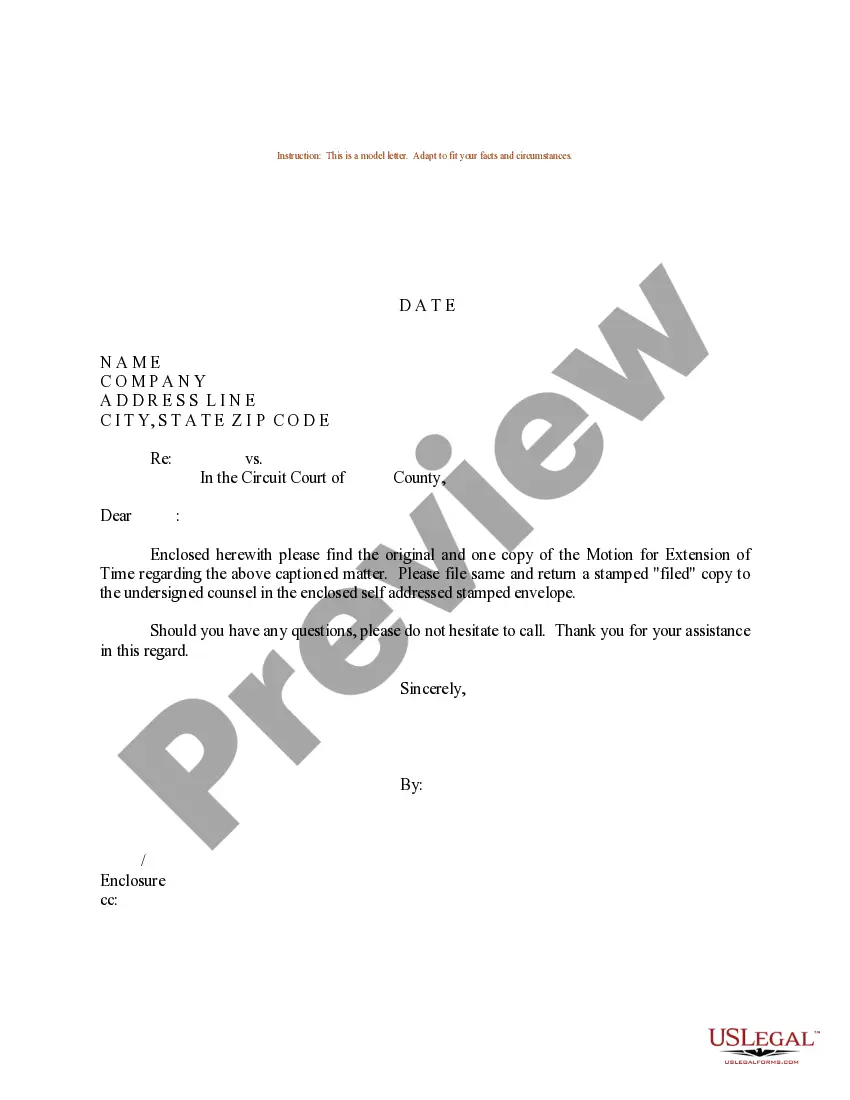
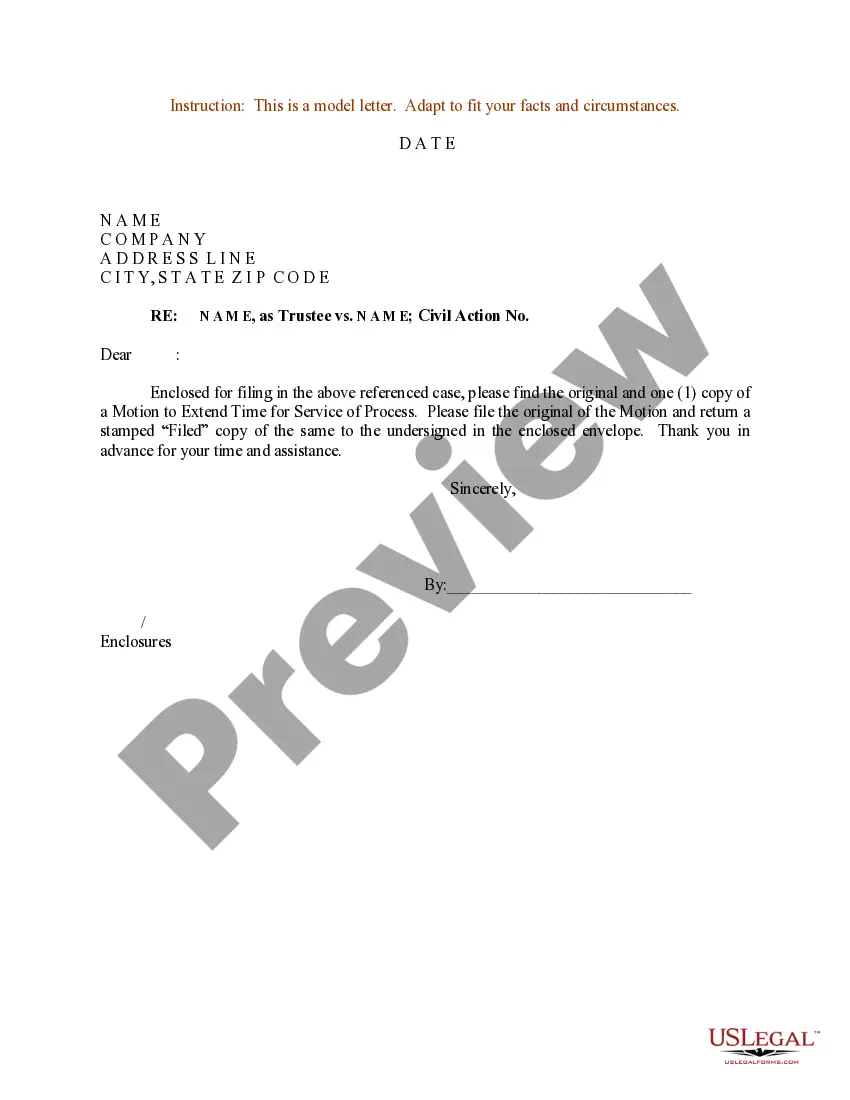
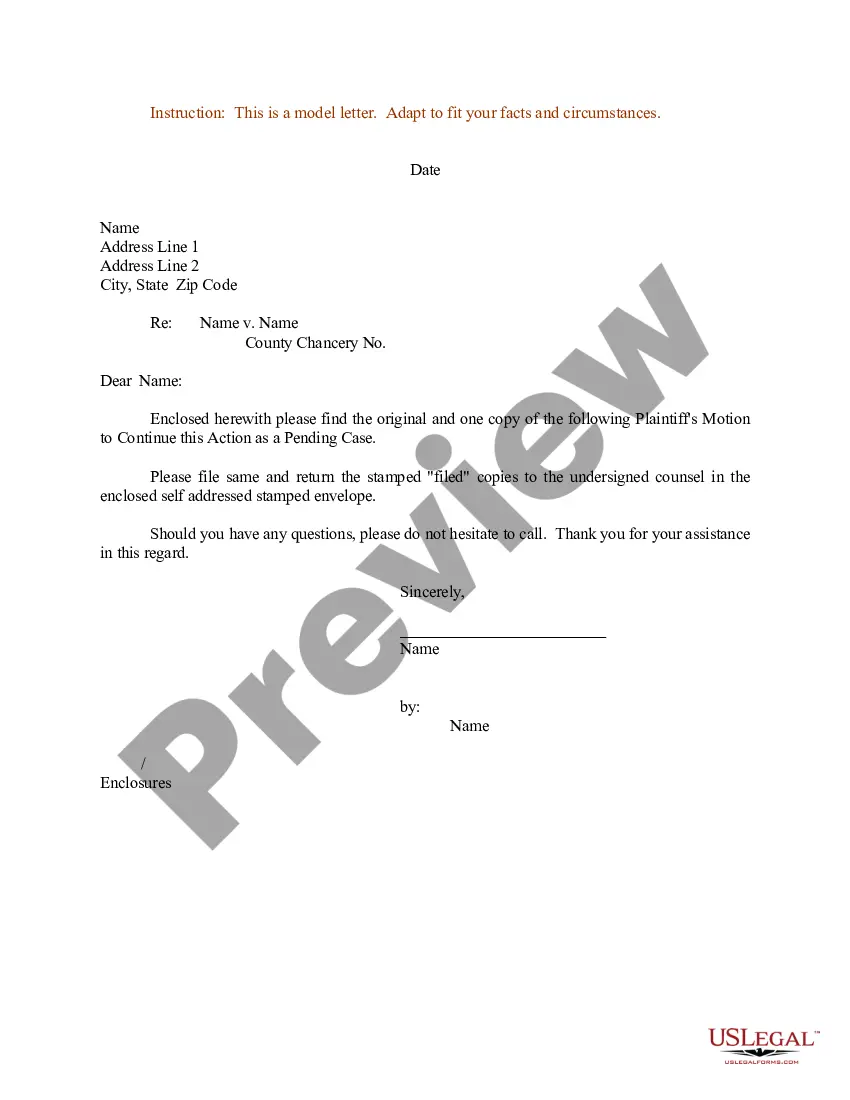
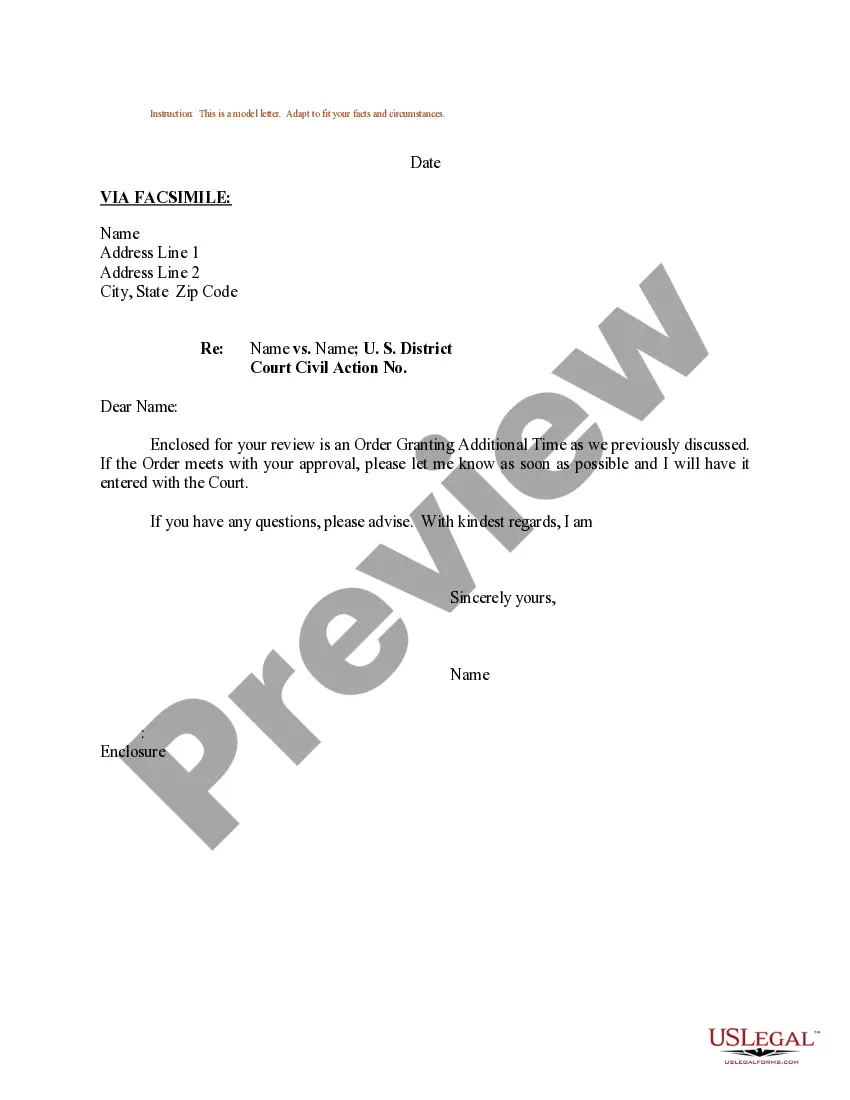
Get your form ready online
Our built-in tools help you complete, sign, share, and store your documents in one place.
Make edits, fill in missing information, and update formatting in US Legal Forms—just like you would in MS Word.
Download a copy, print it, send it by email, or mail it via USPS—whatever works best for your next step.
Sign and collect signatures with our SignNow integration. Send to multiple recipients, set reminders, and more. Go Premium to unlock E-Sign.
If this form requires notarization, complete it online through a secure video call—no need to meet a notary in person or wait for an appointment.
We protect your documents and personal data by following strict security and privacy standards.

Make edits, fill in missing information, and update formatting in US Legal Forms—just like you would in MS Word.

Download a copy, print it, send it by email, or mail it via USPS—whatever works best for your next step.

Sign and collect signatures with our SignNow integration. Send to multiple recipients, set reminders, and more. Go Premium to unlock E-Sign.

If this form requires notarization, complete it online through a secure video call—no need to meet a notary in person or wait for an appointment.

We protect your documents and personal data by following strict security and privacy standards.
Looking for another form?








Form popularity
FAQ
Proper Salutation and Closing If you're writing to your representative or senator, begin the letter with "Dear Senator/Representative Last Name." If you're writing to the governor, begin with "Dear Governor Last Name." End the letter with "Sincerely" or "Respectfully" and sign your name.
Things You Should Know Address your letter with the official's title, full name, and address. Then, make sure to include your name and a stamp in left and right corners respectively. Ask for something actionable and realistic. Keep your letter formal and appropriate.
For example, 'Dear Minister', 'Dear Home Secretary', 'Dear Lord Chancellor', 'Dear Under-Secretary' and so forth. If the appointment in question is particularly long-winded, it's better to use their name. 'Yours sincerely' is the sign-off.
Here are the most common ways to start a formal letter. Using “Dear Title Last Name” ... Using “Dear Sir or Madam” ... Using “To Whom It May Concern” ... Using “Yours sincerely” ... Using “Yours faithfully” ... Using “Kind regards” or “Best regards”
How to write an introduction letter Write a greeting. Include a sentence on why you're writing. Present the full name of the person you're introducing. Explain their role and how it is relevant to the reader. Provide information on how they might work together or be helpful for each other.
"Your Excellency" or "Excellency" first, then "Sir", "Madam" or an alternate title 3. His or Her Excellency (full name), C.C. Note: The courtesy title “His or Her Excellency” is used only while the Governor General is in office. first, then "Sir", "Madam" or an alternate title 3.
Follow a standard letter format, including your contact information (sender's address and date), recipient's contact information (name, title, organization, and address), salutation (eg, ``Dear Mr. Smith:''), body of the letter, closing (eg, ``Sincerely,'' or ``Yours faithfully,''), and your signature.
Letter of Recommendation: One letter of recommendation is required. Applicants can submit either an official letter of recommendation on letterhead, the Letter of Recommendation Form or request a recommendation through the Cal State Apply application.
Applicants do not need to submit any letters of recommendation, resumes or personal statements. A majority of the admissions decisions are based off of academic coursework they enter into the application.
Transcripts & letters of recommendation If you're admitted to UC, then you must submit final transcripts to your campus admissions office. UC does not require (nor read) letters of recommendation at the time of application. A campus may ask for them later as part of a supplemental review, so be sure to check your email.

