Motion Time Form With Which Of The Following In Pennsylvania
Description

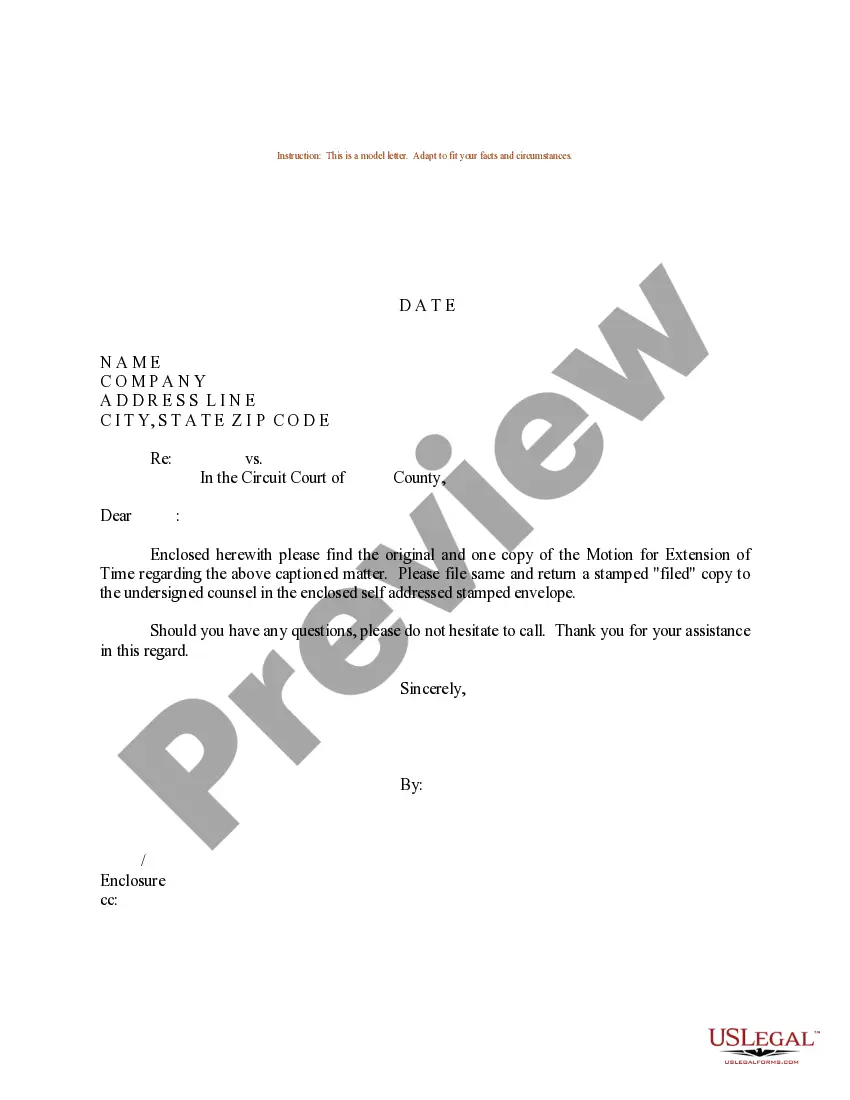

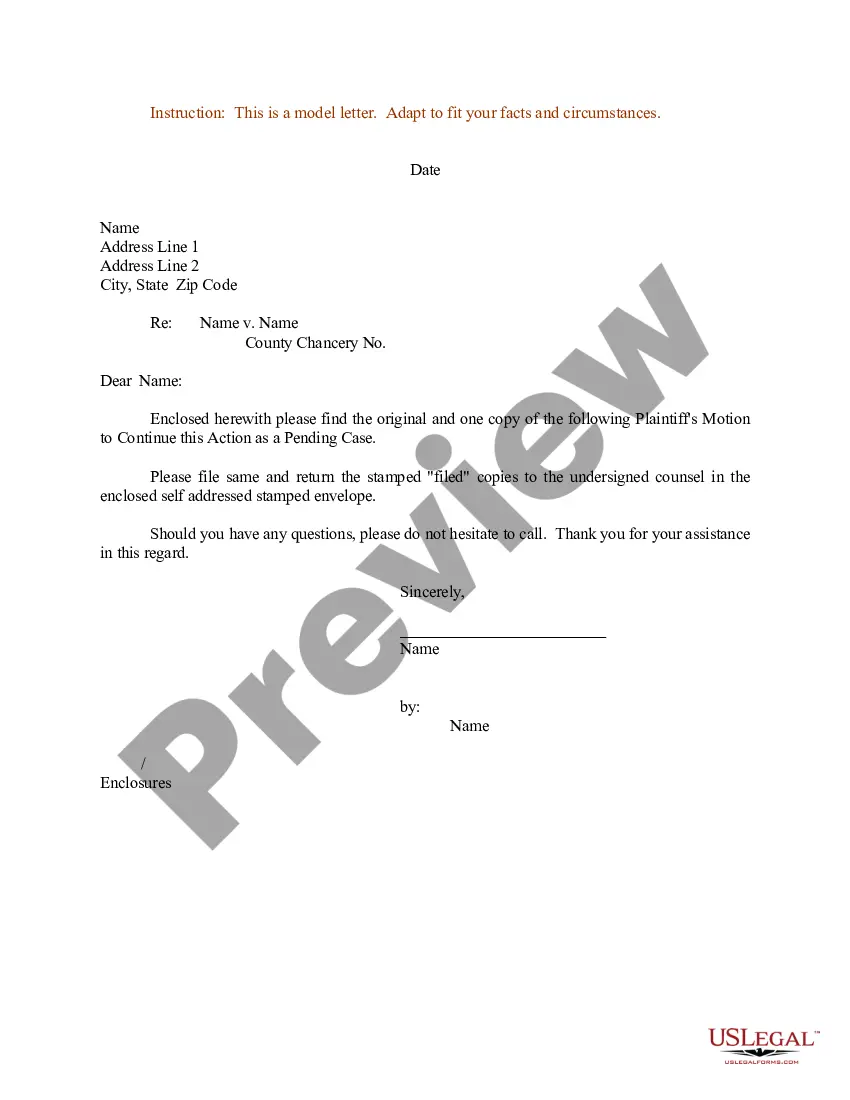
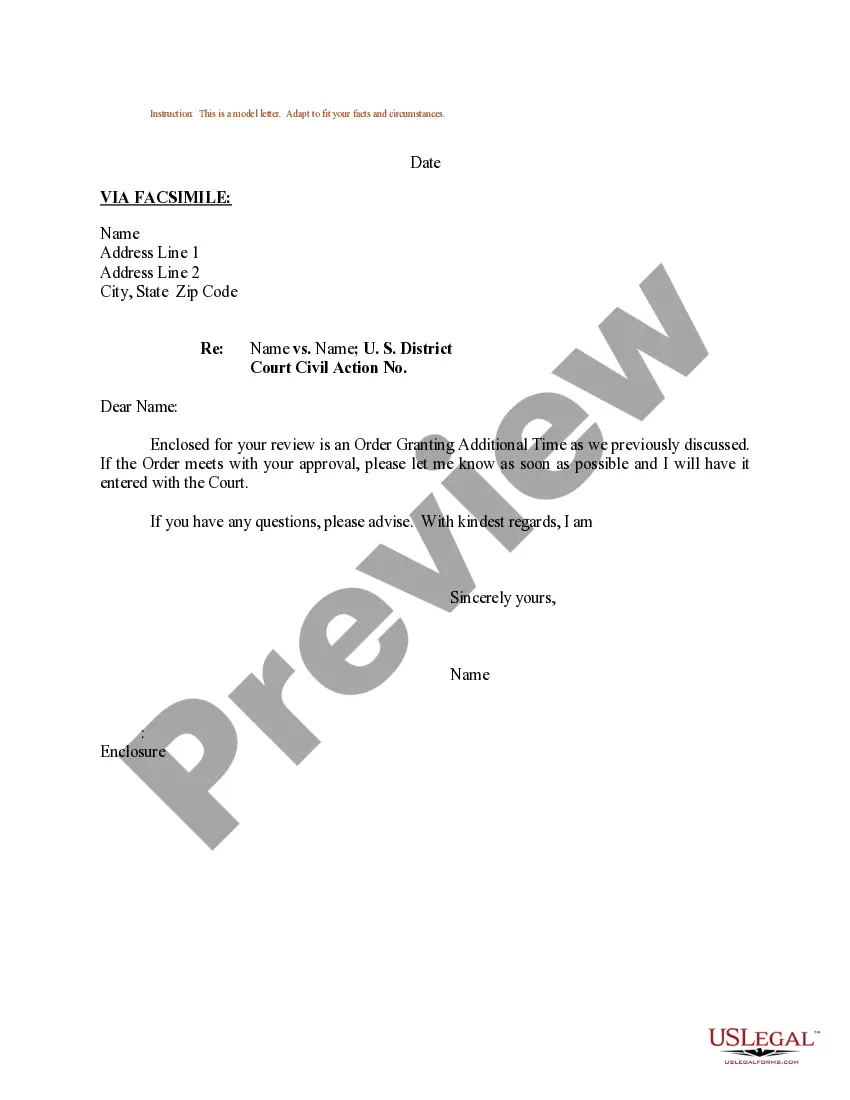
Get your form ready online
Our built-in tools help you complete, sign, share, and store your documents in one place.
Make edits, fill in missing information, and update formatting in US Legal Forms—just like you would in MS Word.
Download a copy, print it, send it by email, or mail it via USPS—whatever works best for your next step.
Sign and collect signatures with our SignNow integration. Send to multiple recipients, set reminders, and more. Go Premium to unlock E-Sign.
If this form requires notarization, complete it online through a secure video call—no need to meet a notary in person or wait for an appointment.
We protect your documents and personal data by following strict security and privacy standards.

Make edits, fill in missing information, and update formatting in US Legal Forms—just like you would in MS Word.

Download a copy, print it, send it by email, or mail it via USPS—whatever works best for your next step.

Sign and collect signatures with our SignNow integration. Send to multiple recipients, set reminders, and more. Go Premium to unlock E-Sign.

If this form requires notarization, complete it online through a secure video call—no need to meet a notary in person or wait for an appointment.

We protect your documents and personal data by following strict security and privacy standards.
Looking for another form?





Form popularity
FAQ
A motion to make the rule absolute shall evidence compliance with the service requirements of Pa. R.C.P. 440, setting forth the time, place and nature of service. No rule shall be made absolute without certification that the petition and rule to show cause have been served in compliance with Pa.
Motion to strike, dismiss or amplify. (a) A party deeming a pleading insufficient in form may file with the Commission a motion to strike. A party deeming a pleading insufficient in substance, or desiring to question the jurisdiction of the Commission, may file with the Commission a motion to dismiss.
The response to a dispositive motion must be accompanied by a supporting memorandum of law or brief. (d) A moving party, or a supporting party that files a memorandum of law alone, may file a reply to a response to a dispositive motion within 15 days of the date of service of the response.
(b) A motion to compel discovery must contain as exhibits the discovery requests and answers giving rise to the dispute. (c) A party may file a memorandum of law in support of its discovery motion or its response to a discovery motion.
Rule 4005 - Written Interrogatories (a) No party serving written interrogatories pursuant to the applicable Pennsylvania Rules of Civil Procedure shall serve upon any other party, as of right, more than fifty (50) interrogatories including interrogatories subsidiary to, or incidental to, or dependent upon, other ...
Under the Pennsylvania statute of limitations, a plaintiff must bring a medical negligence claim within two years after an injury occurs. There is an exception, deemed the “discovery rule,” which allows extra time to file the claim if the plaintiff was unaware of the injury until after two years had passed.
(1) The party against whom the motion to compel is directed shall file an answer within 5 days of service of the motion absent good cause or, in the alternative, respond orally at the hearing if a timely hearing has been scheduled within the same 5-day period.
The types of motion are: Oscillatory motion. Rotational motion. Translational motion. Uniform motion. Non- uniform motion. Periodic motion. Circular motion. Linear motion.
A simple harmonic motion occurs when an object moves to and fro or back and forth along the same line (SHM). This motion is used to represent a variety of real-life scenarios in our daily lives. Let's have a look at a few: Swing: Swings in parks are a good illustration of simple harmonic motion.
And in the opposite. Direction an example is swinging on a swing. Up and down motion. Up and downMoreAnd in the opposite. Direction an example is swinging on a swing. Up and down motion. Up and down motion is moving vertically.
