Sample Letter Example In Mecklenburg
Description



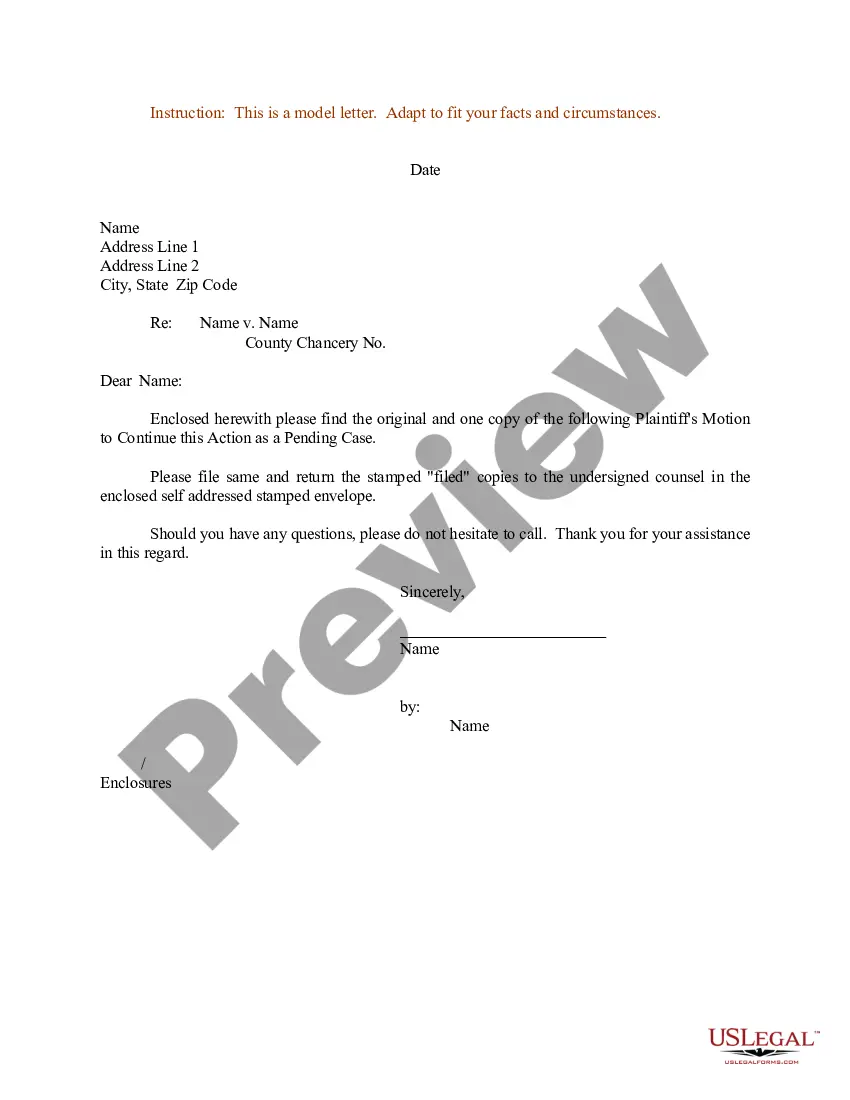
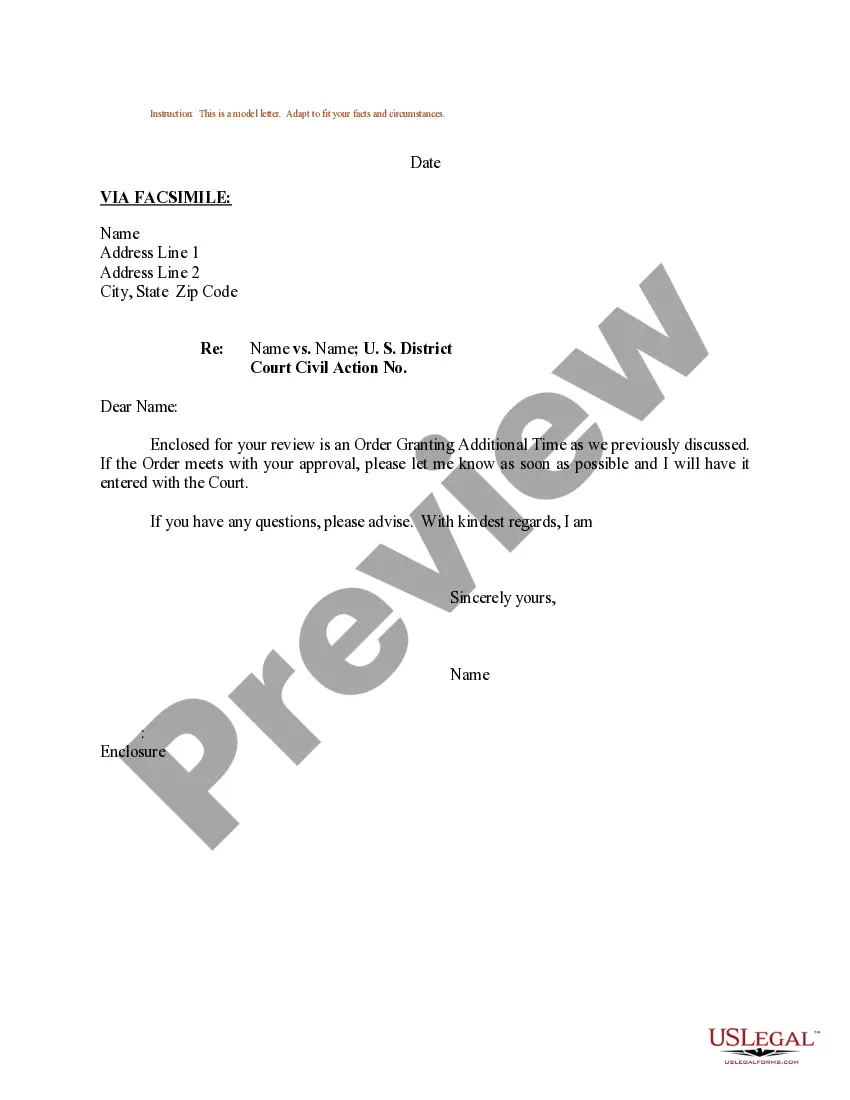
Get your form ready online
Our built-in tools help you complete, sign, share, and store your documents in one place.
Make edits, fill in missing information, and update formatting in US Legal Forms—just like you would in MS Word.
Download a copy, print it, send it by email, or mail it via USPS—whatever works best for your next step.
Sign and collect signatures with our SignNow integration. Send to multiple recipients, set reminders, and more. Go Premium to unlock E-Sign.
If this form requires notarization, complete it online through a secure video call—no need to meet a notary in person or wait for an appointment.
We protect your documents and personal data by following strict security and privacy standards.

Make edits, fill in missing information, and update formatting in US Legal Forms—just like you would in MS Word.

Download a copy, print it, send it by email, or mail it via USPS—whatever works best for your next step.

Sign and collect signatures with our SignNow integration. Send to multiple recipients, set reminders, and more. Go Premium to unlock E-Sign.

If this form requires notarization, complete it online through a secure video call—no need to meet a notary in person or wait for an appointment.

We protect your documents and personal data by following strict security and privacy standards.
Looking for another form?



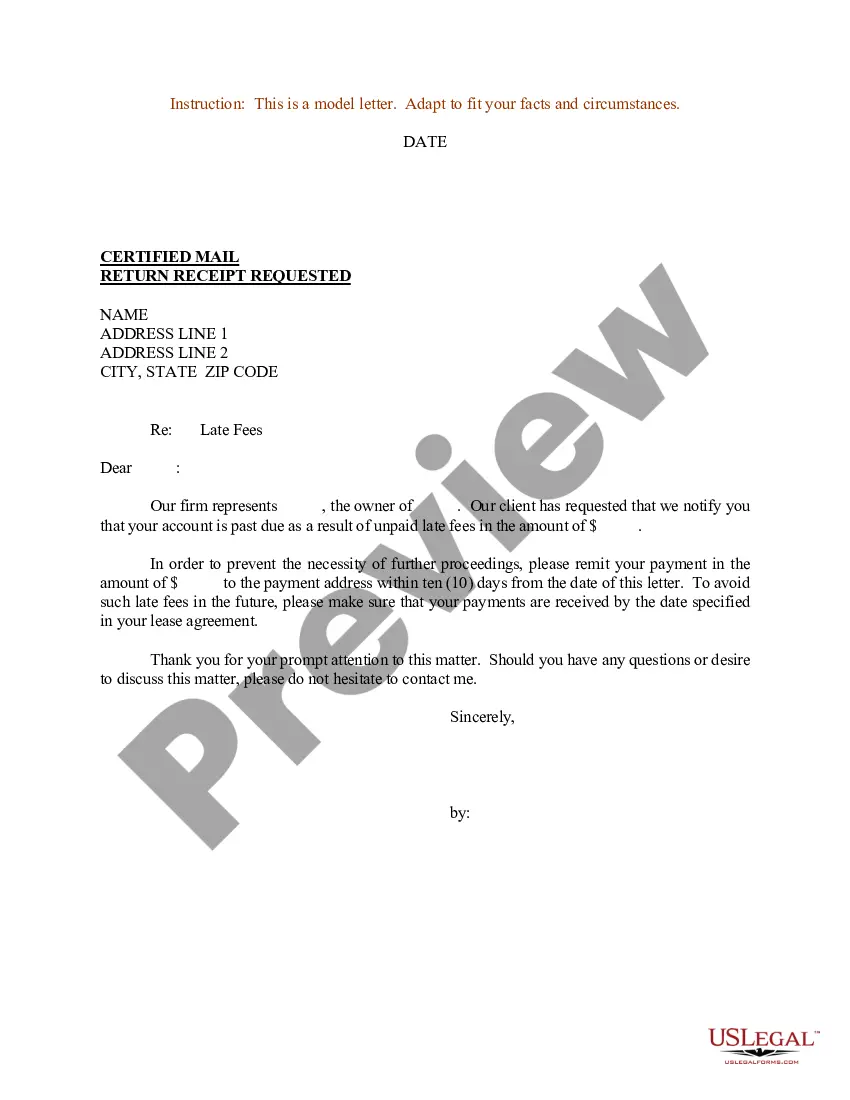


Form popularity
FAQ
Tell the customer in positive, specific terms what you've already done or what you intend to do. Answer questions directly and include helpful resources. Let the customer know you're there for them if needed. When appropriate, offer the customer something of value.
How do I get a letter of testamentary in California? Obtain the deceased person's will and death certificate. Submit a Petition for Probate in the Superior Court in the county where the decedent live by filing Form DE-111, a copy of the will, and your personal identification.
For each numbered paragraph in the complaint, type "Admitted" if you admit the allegation or "Denied" if you deny the allegation. If you don't have enough information to know whether the fact is true or false, respond with "Lack enough information to respond to Plaintiff's allegations."
In your letter to the plaintiff, you can certainly address the situation while maintaining a respectful and empathetic tone. You may express your willingness to cooperate while highlighting the need for proper legal procedures to be followed. Your goal is to ensure fairness and uphold your rights under the law.
It can take several weeks or even several months to get a letter of testamentary. This often depends on the state the deceased lived in and how busy the courts are when you begin the process.
Applying for a Letter of Testamentary Step 1 - Begin the Probate Process: Obtain the certificate of death, a copy of the will if there is one, and any financial papers or information that details the assets belonging to the deceased. These will all be needed in filing the application for a Letter of Testamentary.
Locate the appropriate probate court in the jurisdiction where the deceased person resided. File a petition with the probate court requesting testamentary letters. Provide the court with the necessary documentation, including the death certificate, the original will, and any other required forms.
7 elements to include in your letter of last instruction Contact information. Legal form, document, and property locations. Personal and financial passwords. Beneficiary information. Guidance for pets. Funeral or memorial service wishes. Legal and financial information and wishes.
A good letter of instruction should contain the following information: A complete list of all assets. The whereabouts of any tangible assets that are not readily accessible. Necessary information about all liquid assets, including bank, brokerage, retirement, and investment accounts.
(ˈsɑːmpəl ˈlɛtə ) noun. an example of a particular type of letter intended to show people how to construct their own letter.

