Motion Time Form Withdraw As Counsel In Massachusetts
Description



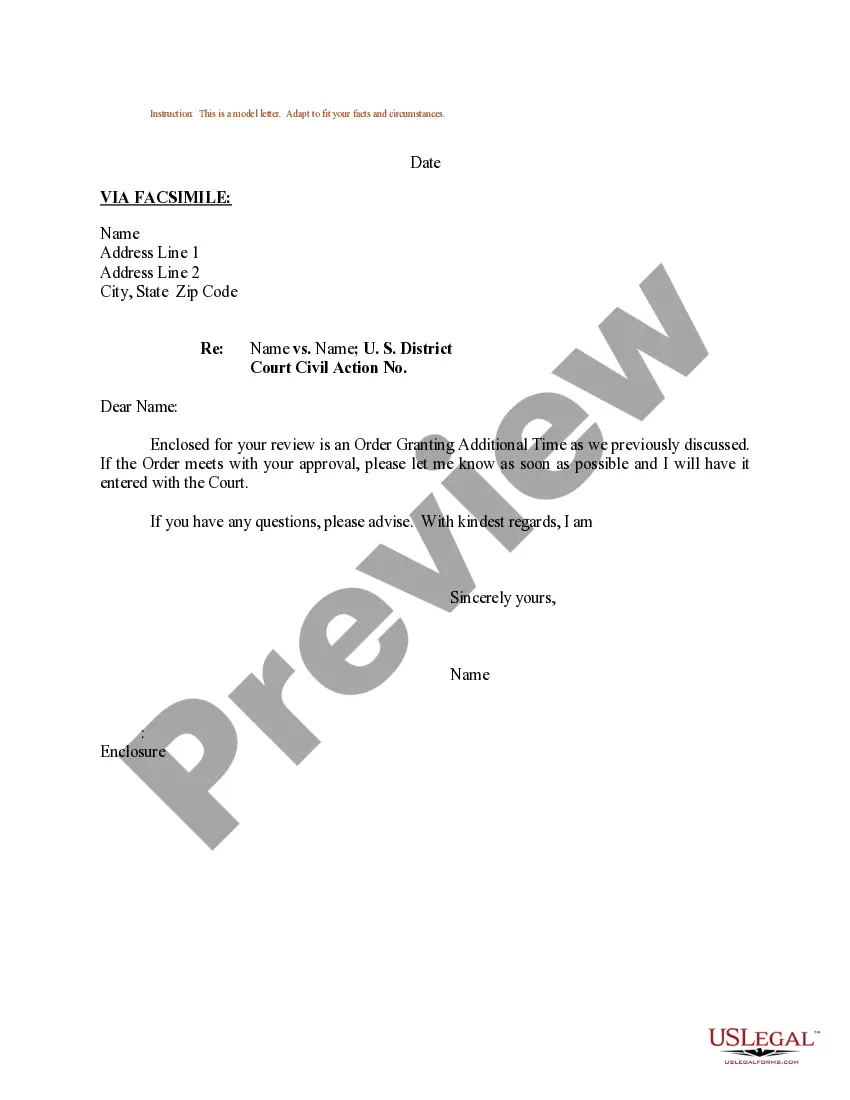
Get your form ready online
Our built-in tools help you complete, sign, share, and store your documents in one place.
Make edits, fill in missing information, and update formatting in US Legal Forms—just like you would in MS Word.
Download a copy, print it, send it by email, or mail it via USPS—whatever works best for your next step.
Sign and collect signatures with our SignNow integration. Send to multiple recipients, set reminders, and more. Go Premium to unlock E-Sign.
If this form requires notarization, complete it online through a secure video call—no need to meet a notary in person or wait for an appointment.
We protect your documents and personal data by following strict security and privacy standards.

Make edits, fill in missing information, and update formatting in US Legal Forms—just like you would in MS Word.

Download a copy, print it, send it by email, or mail it via USPS—whatever works best for your next step.

Sign and collect signatures with our SignNow integration. Send to multiple recipients, set reminders, and more. Go Premium to unlock E-Sign.

If this form requires notarization, complete it online through a secure video call—no need to meet a notary in person or wait for an appointment.

We protect your documents and personal data by following strict security and privacy standards.
Looking for another form?








Form popularity
FAQ
Rule 12 - Defenses and Objections-When and How Presented-By Pleading or Motion-Motion for Judgment on Pleadings (a) When Presented. (1) After service upon him of any pleading requiring a responsive pleading, a party shall serve such responsive pleading within 20 days unless otherwise directed by order of the court.
Rule 17 is the process where a lawyer can ask the Court for a summons for third party records. To make a showing to acquire third party records a defendant must establish the following: A party moving to summons documents pursuant to Mass.
A lawyer should not accept representation in a matter unless it can be performed competently, promptly, without improper conflict of interest and to completion.
Cheeseman refuses to respond, using Rule 11 as a scapegoat. Rule 11, when invoked, allows a case to be dropped based on a lack of real evidence with which to file the complaint in the first place. The rule is meant to stop “sham” and “frivolous” lawsuits from making it into courtrooms.
Rule 11(a)(3)(C) allows a party to electronically sign a verified pleading, an affidavit, or a document required by the Massachusetts Rules of Civil Procedure to be signed under oath or under the penalties of perjury, unless otherwise provided by law or ordered by the court.
The parties must cooperate in filing with the court a “Rule 9A Package.” The Rule 9A Package consists of the original Motion Papers, the Opposition, and the Reply, any other papers for which leave of court is granted under Paragraph (a)(6), and any appendices or other papers permitted or required by this Rule, statute, ...
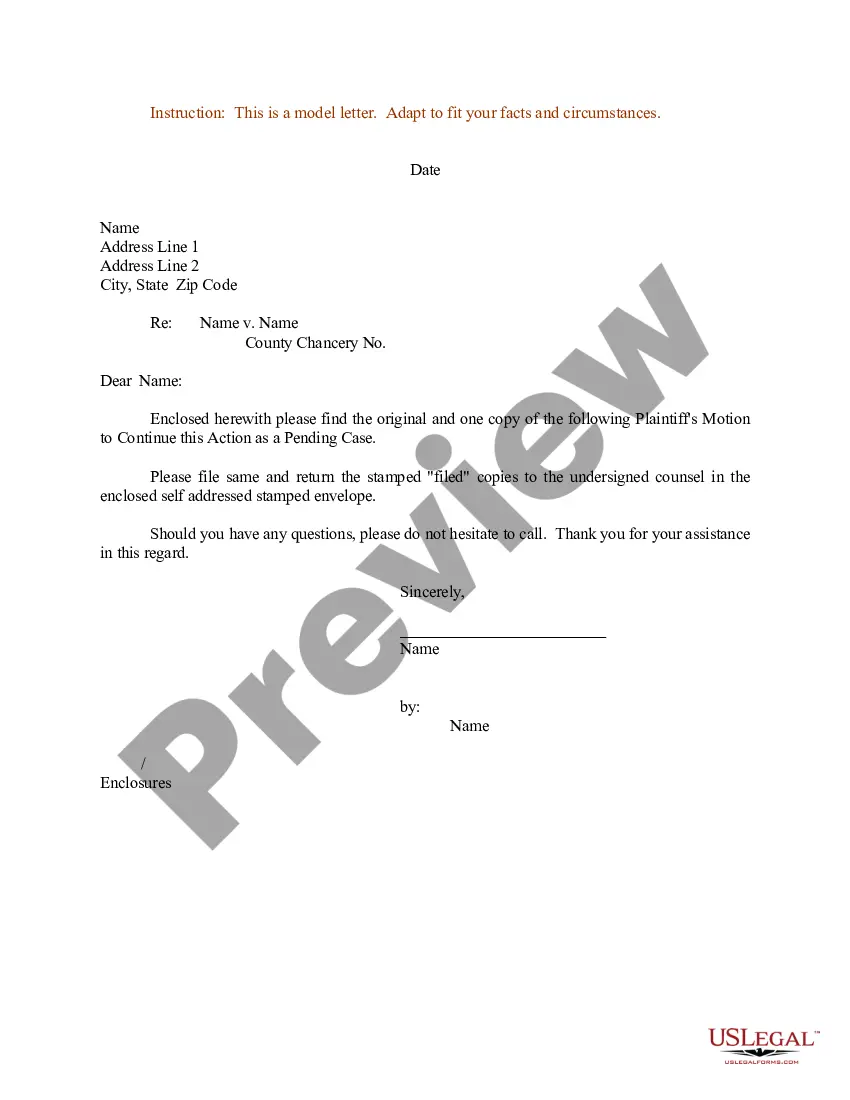
An attorney may, without leave of court, withdraw from a case by filing written notice of withdrawal, together with proof of service on his client and all other parties, provided that (1) such notice is accompanied by the appearance of successor counsel; (2) no motions are then pending before the court; and (3) no ...
A Rule 11 motion constitutes an allegation that an attorney has willfully acted in bad faith in pursuing a course of action.

