Motion Time Form With Time In Cuyahoga
Description



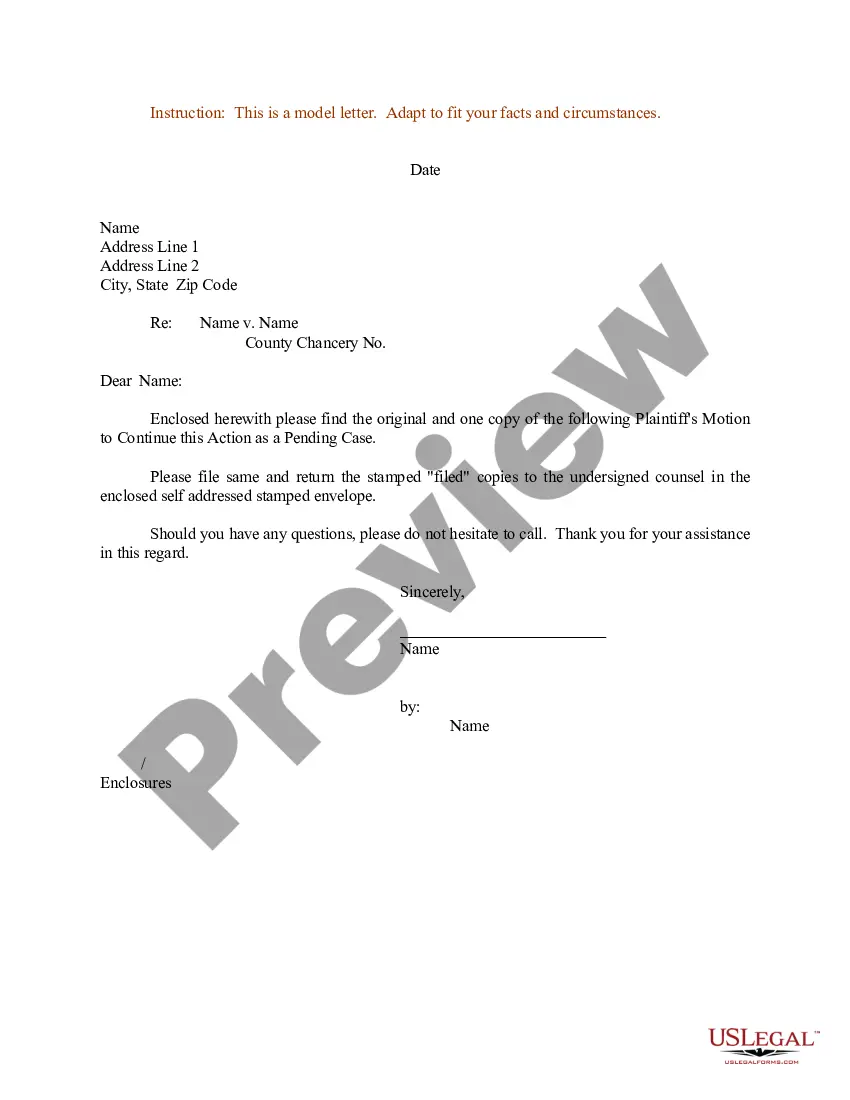
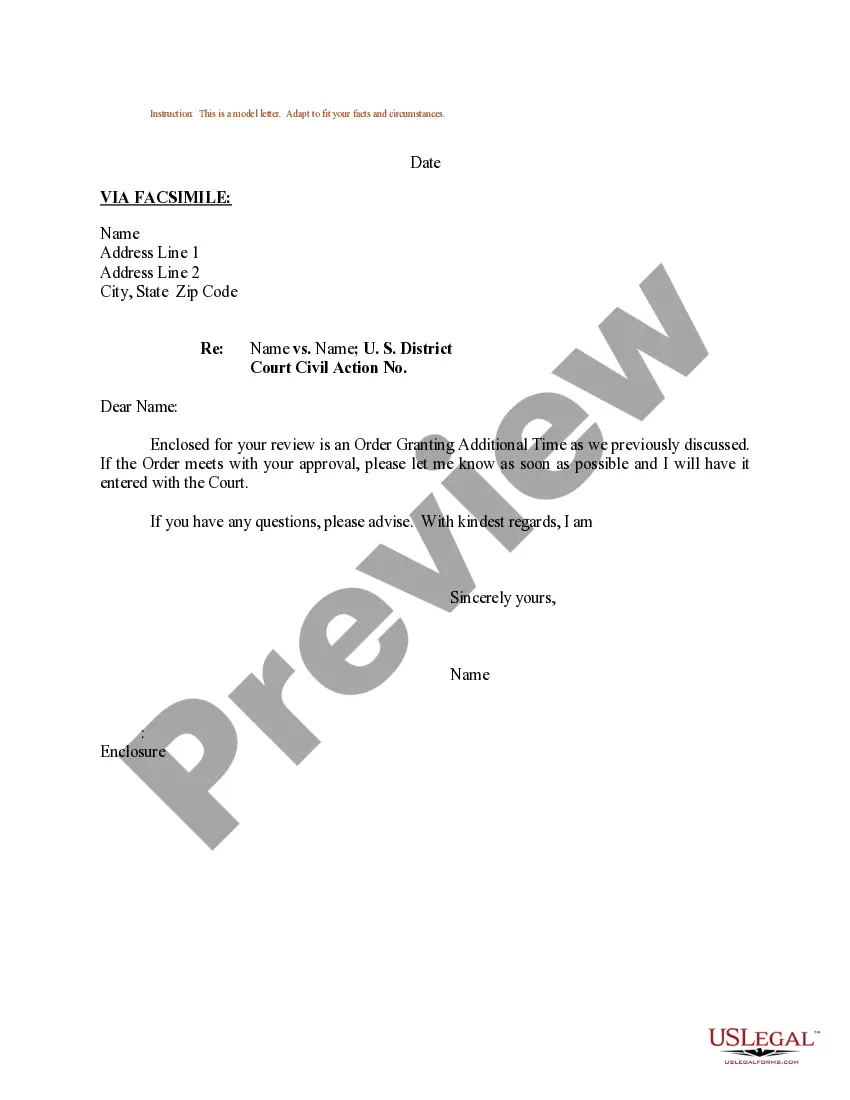
Get your form ready online
Our built-in tools help you complete, sign, share, and store your documents in one place.
Make edits, fill in missing information, and update formatting in US Legal Forms—just like you would in MS Word.
Download a copy, print it, send it by email, or mail it via USPS—whatever works best for your next step.
Sign and collect signatures with our SignNow integration. Send to multiple recipients, set reminders, and more. Go Premium to unlock E-Sign.
If this form requires notarization, complete it online through a secure video call—no need to meet a notary in person or wait for an appointment.
We protect your documents and personal data by following strict security and privacy standards.

Make edits, fill in missing information, and update formatting in US Legal Forms—just like you would in MS Word.

Download a copy, print it, send it by email, or mail it via USPS—whatever works best for your next step.

Sign and collect signatures with our SignNow integration. Send to multiple recipients, set reminders, and more. Go Premium to unlock E-Sign.

If this form requires notarization, complete it online through a secure video call—no need to meet a notary in person or wait for an appointment.

We protect your documents and personal data by following strict security and privacy standards.
Looking for another form?









Form popularity
FAQ
Steps Check if the court has blank motion forms. Some courts have "check the boxes" or "fill in the blank" motion forms. Create your caption. Title your motion. Draft the introductory paragraph to the body of the motion. Request relief. Lay out the applicable facts. Make your legal argument. Insert a signature block.
If you need to add important information to your civil complaint then you can ask for permission. This permission takes the form of a 'Motion for Leave to Amend Complaint'. There are several reasons to amend (such as new evidence, new cause of action, etc.).
A motion is an application to the court made by the prosecutor or defense attorney, requesting that the court make a decision on a certain issue before the trial begins. The motion can affect the trial, courtroom, defendants, evidence, or testimony. Only judges decide the outcome of motions.
In some circumstances, you file a petition or a motion. The court has several complaint forms that you may use in drafting your complaint. The forms are available online and at the Pro Se Intake Unit. You may also write your own complaint without using a court form.
If a party fails to obtain an extension of time to meet a requirement before the time expires, then the party must file a motion for leave to complete the action “out-of-time,” stating good cause for having failed to timely comply.
If a party fails to obtain an extension of time to meet a requirement before the time expires, then the party must file a motion for leave to complete the action “out-of-time,” stating good cause for having failed to timely comply.
Motion for leave of court refers to a request made by a party to the court for permission to do something that is not normally allowed by court rules or procedures.
A motion is heard on a 24 day cycle, meaning that when you file a motion, you can expect that your case will be scheduled before a judge within approximately 24 days. There is often times a motion can be delayed when an adjournment is requested or when the court's calendar requires.
A motion to show cause is used to bring one party's failure to comply with a Court order to the Court's attention. The motion to show cause must be completely filled out and must be supported by an Affidavit.
Except for motions made during a hearing or during trial, motions are required to be in writing. They must also be filed in court and served on the opposing party's attorney (or the party if not represented by counsel). If the motion is contested, the opposing attorneys will also file papers opposing the motion.

