Exchange Agreement For Lease In Virginia
Description

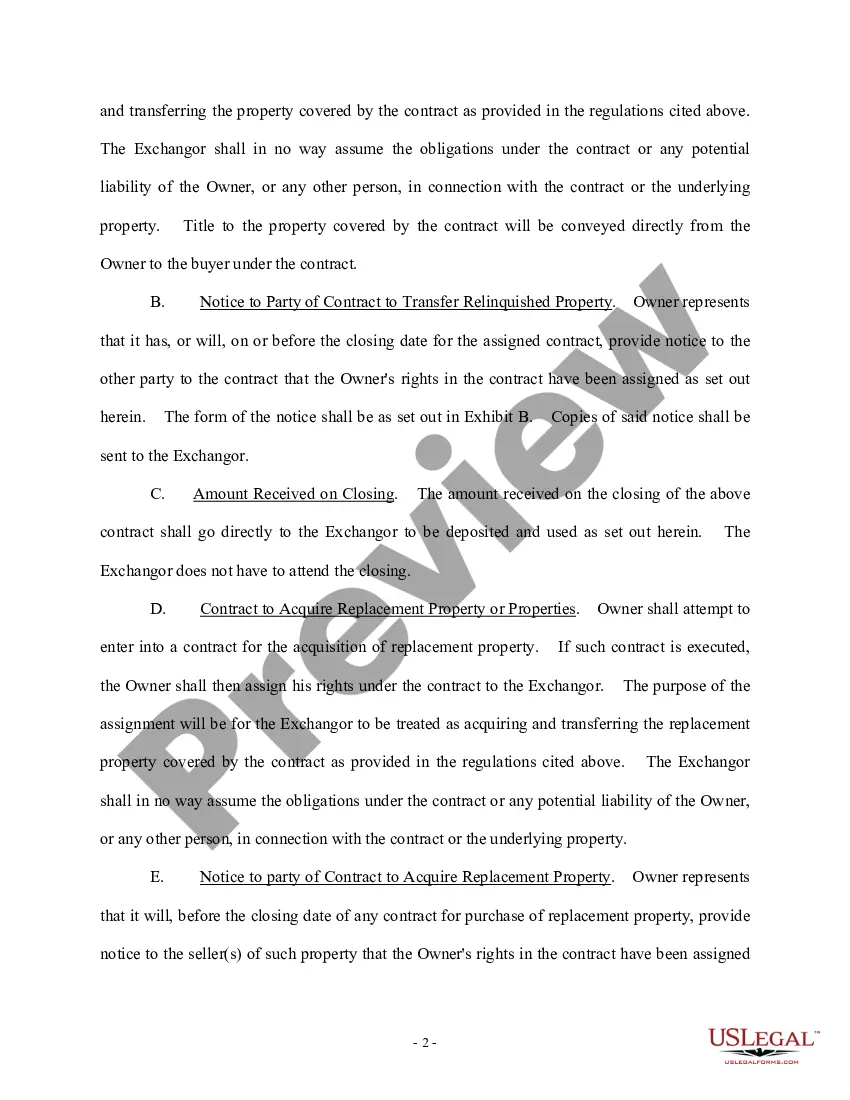
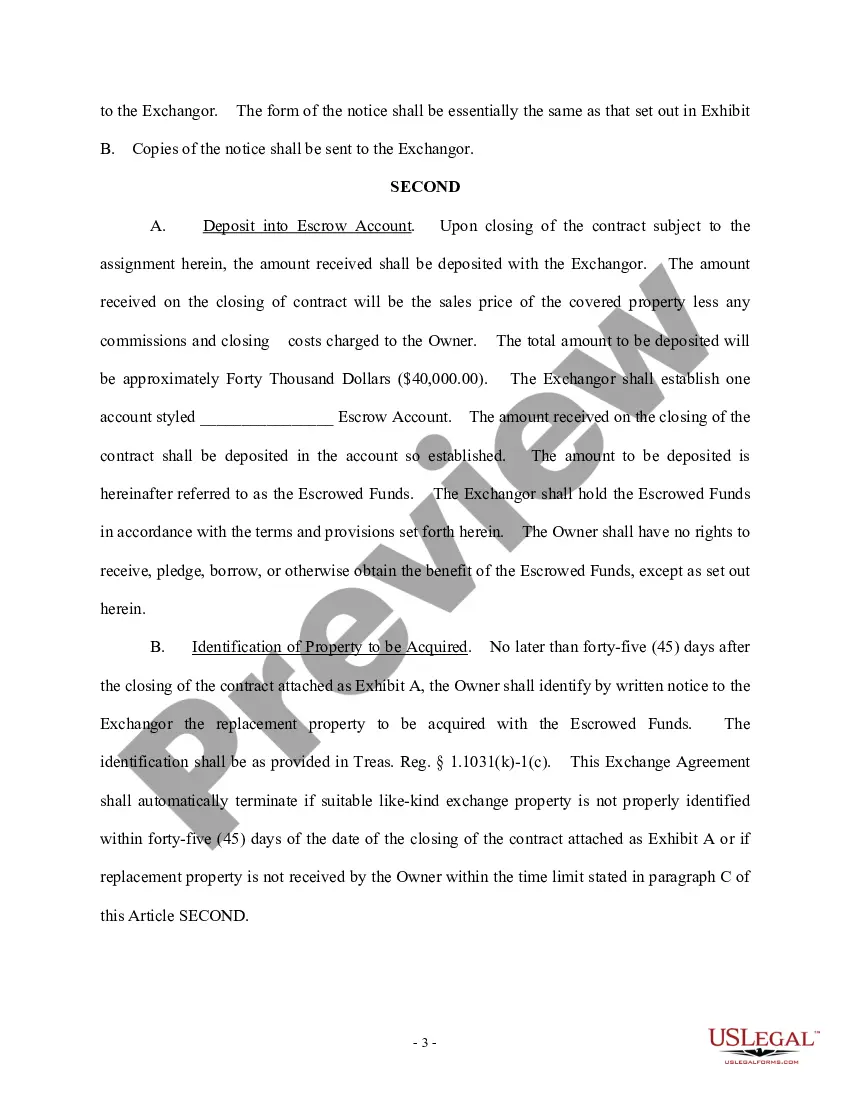
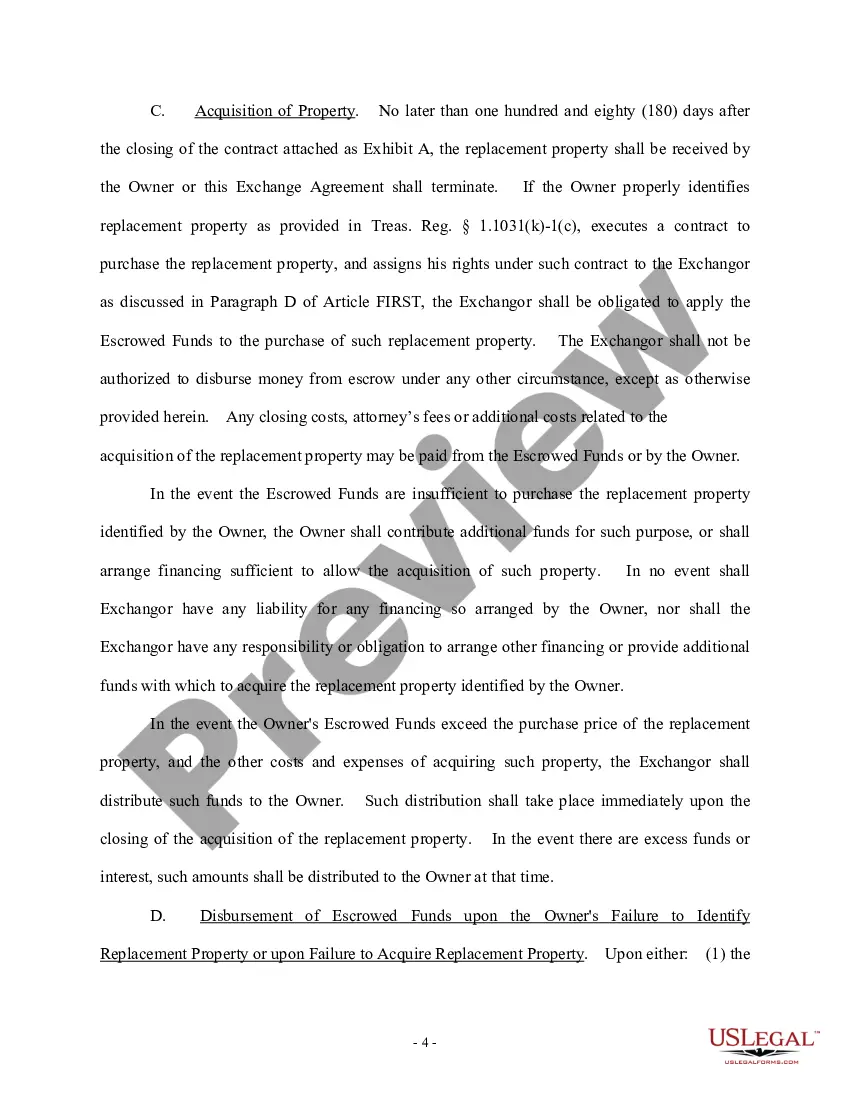
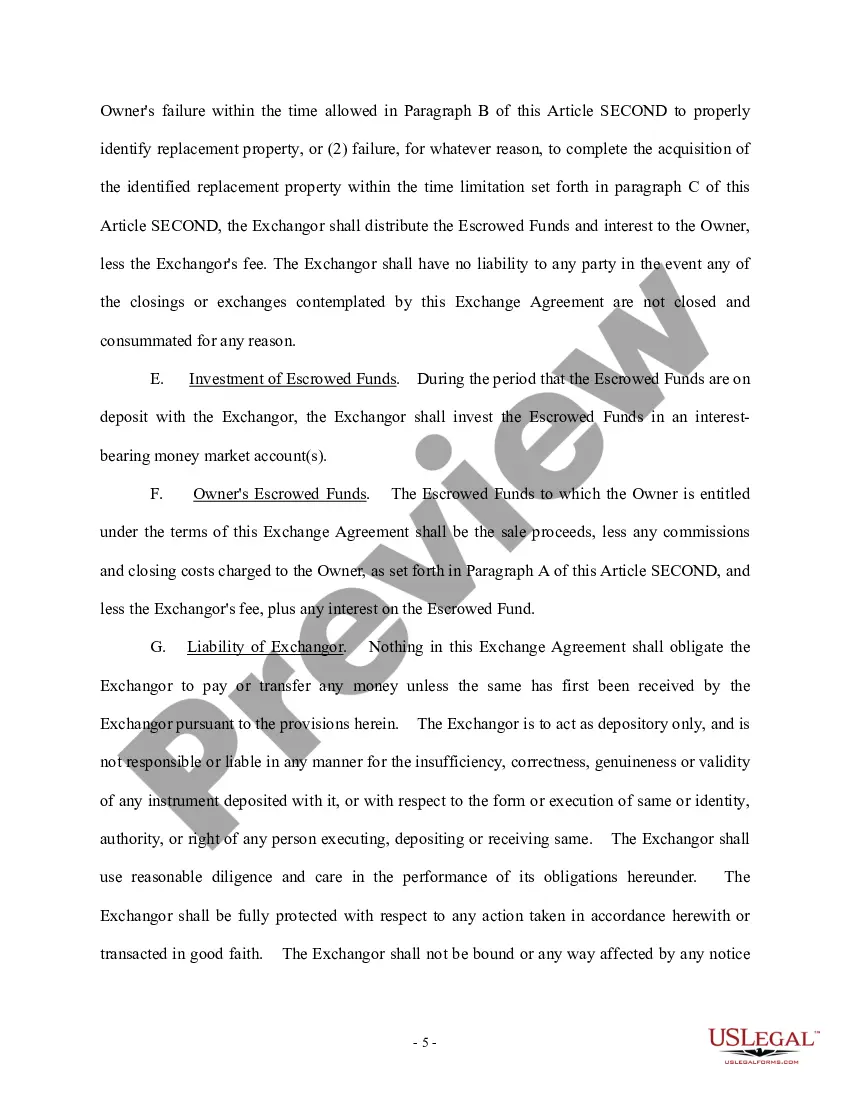
Get your form ready online
Our built-in tools help you complete, sign, share, and store your documents in one place.
Make edits, fill in missing information, and update formatting in US Legal Forms—just like you would in MS Word.
Download a copy, print it, send it by email, or mail it via USPS—whatever works best for your next step.
Sign and collect signatures with our SignNow integration. Send to multiple recipients, set reminders, and more. Go Premium to unlock E-Sign.
If this form requires notarization, complete it online through a secure video call—no need to meet a notary in person or wait for an appointment.
We protect your documents and personal data by following strict security and privacy standards.

Make edits, fill in missing information, and update formatting in US Legal Forms—just like you would in MS Word.

Download a copy, print it, send it by email, or mail it via USPS—whatever works best for your next step.

Sign and collect signatures with our SignNow integration. Send to multiple recipients, set reminders, and more. Go Premium to unlock E-Sign.

If this form requires notarization, complete it online through a secure video call—no need to meet a notary in person or wait for an appointment.

We protect your documents and personal data by following strict security and privacy standards.
Looking for another form?






Form popularity
FAQ
Yes, you can create your own lease agreement without the assistance of a lawyer or other professional.
You can draw up a lease agreement in one of several ways. (1.) You can hire a tenant/landlord lawyer to draw this up. He will be able to guide you in what it's contents should be. (2.) You can go to your public library and looking up information on how to draw up a standard lease agreement. (3.) You can go online, look
Breaking a lease in Virginia (under regular circumstances) requires tenants to provide written notice. ing to the law, here are the notice requirements for Virginia tenants: Monthly Leases - 30 days. Leases with No End Date - At least 120 days before the lease ends.
When a landlord and tenant sign a lease agreement it forms a legally binding contract. The lease cannot be altered except through another written agreement signed by both parties unless the original lease specifically gives a party the power to change something on their own.
Can you write your own tenancy agreement? Certainly. Unless you're an attorney, or have an attorney review it, you probably shouldn't, But you certainly can. If you fail to follow your state/local laws to-the-letter, the agreement may be invalid.
Mutual Agreement: The easiest way to break a lease is to negotiate with the landlord. If both parties agree, you may be able to terminate the lease without penalties.
Unless your lease contains a specific rescission clause that grants the right to cancel the lease within a certain amount of time, neither party can back out of a contract once they have agreed and signed it.
Yes you can. The terms of a lease can be changed at any time upon mutual agreement of the parties.
And you cannot face repercussions. Like eviction for not signing a new one. Now. There is somethingMoreAnd you cannot face repercussions. Like eviction for not signing a new one. Now. There is something called a lease Amendment. That's where both the tenant.
