Agreement Exchange Of Information In Ohio
Description

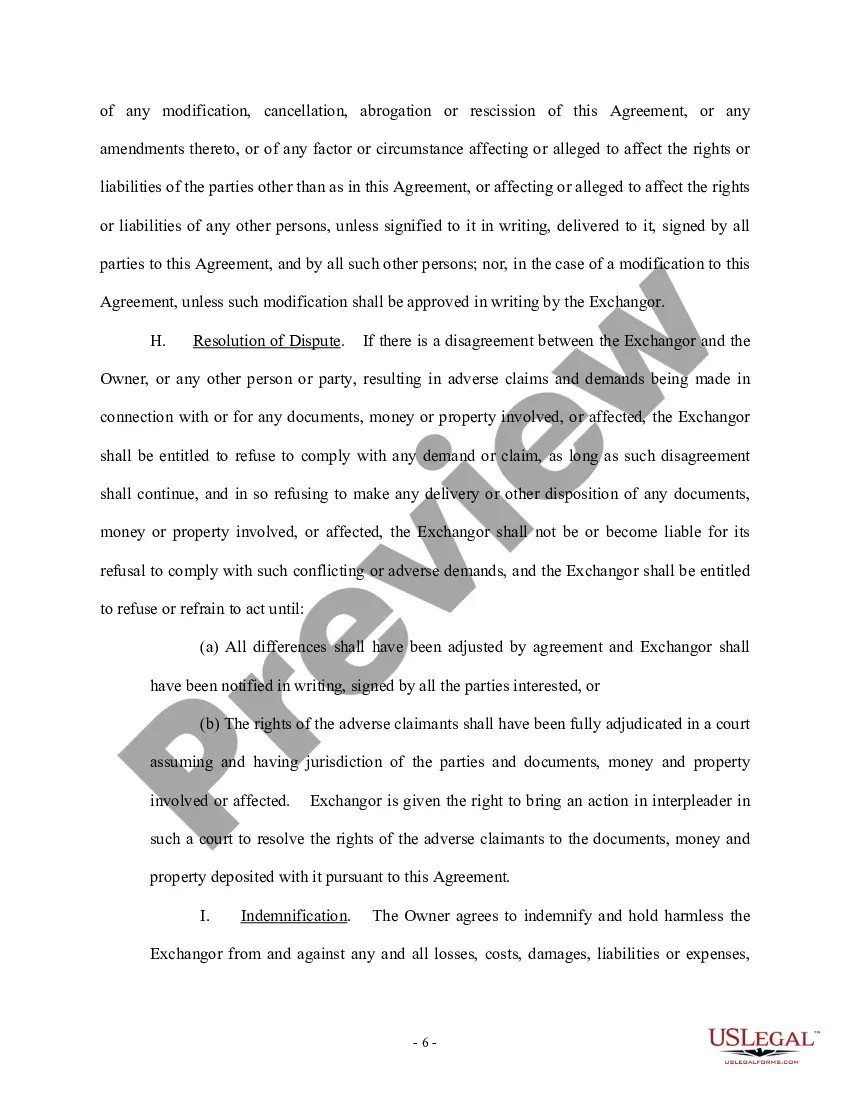
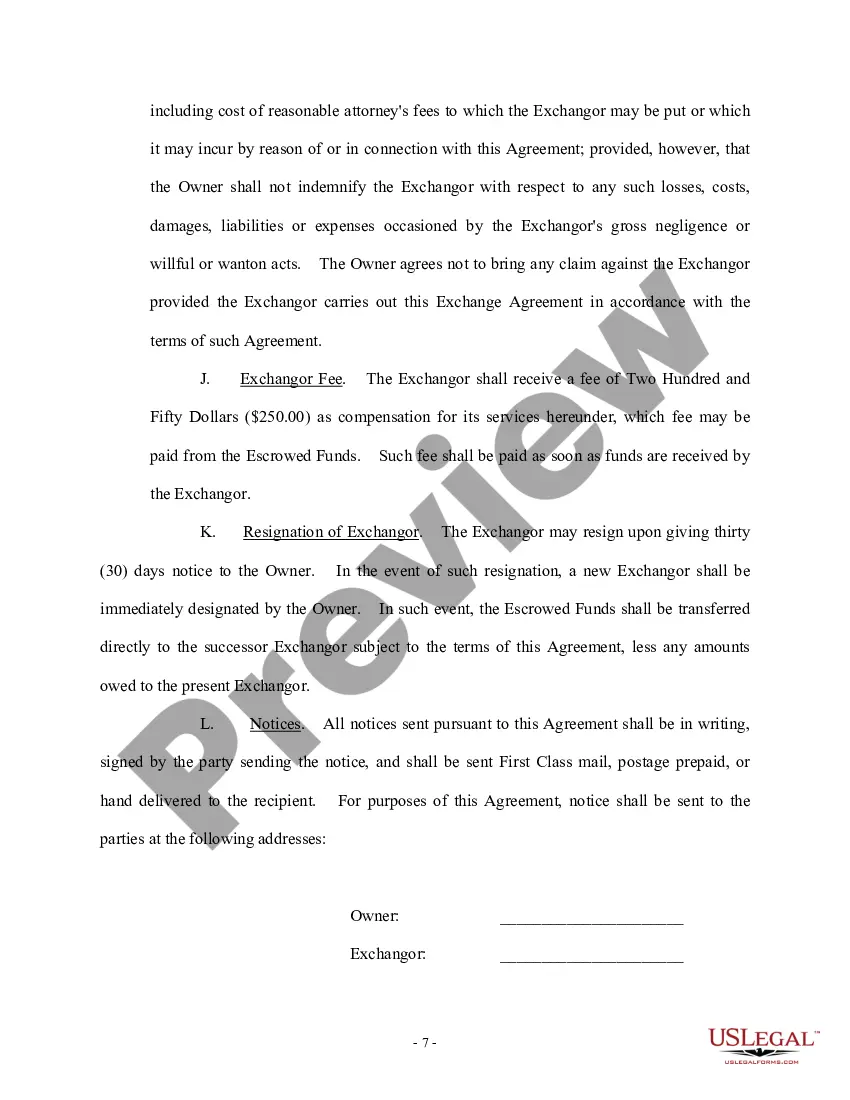
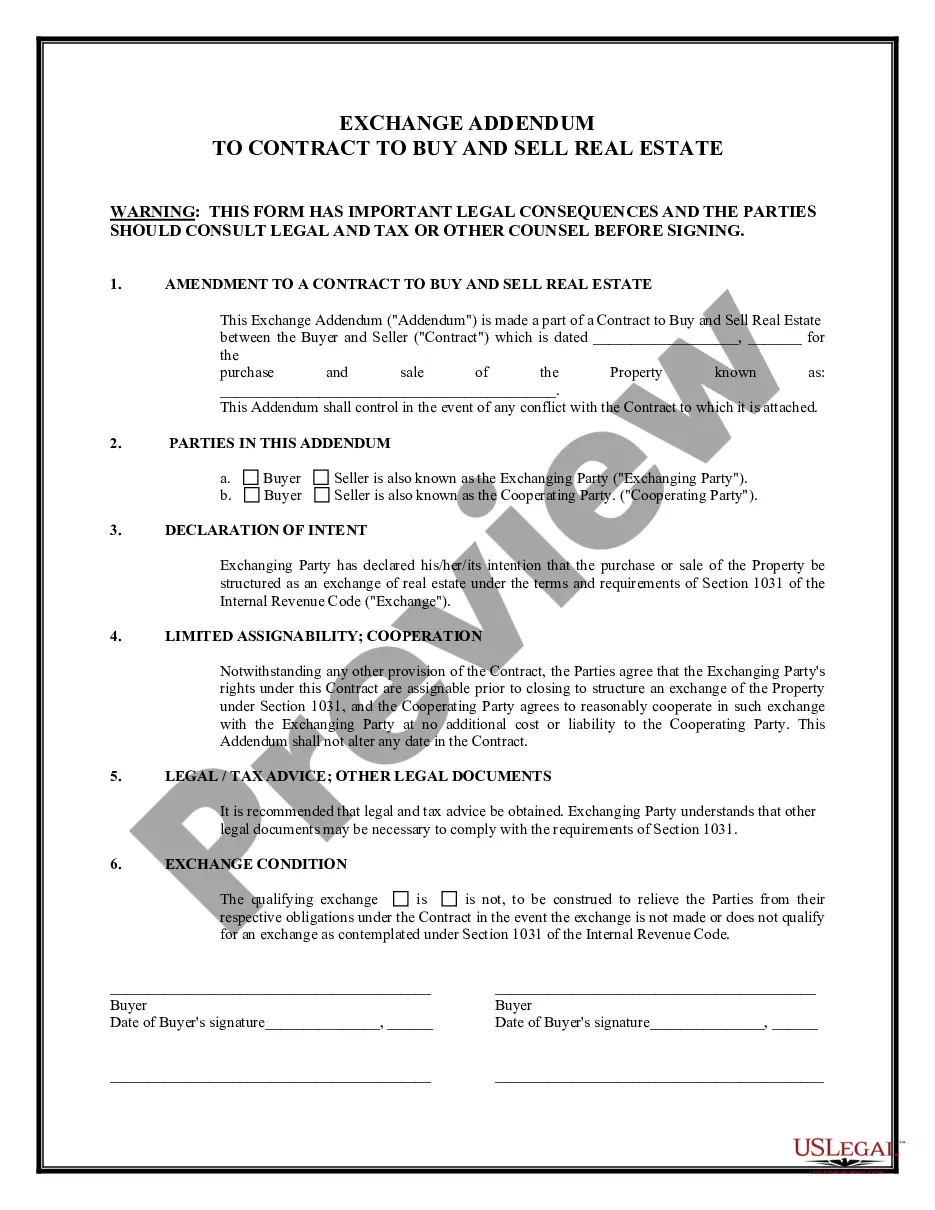
Get your form ready online
Our built-in tools help you complete, sign, share, and store your documents in one place.
Make edits, fill in missing information, and update formatting in US Legal Forms—just like you would in MS Word.
Download a copy, print it, send it by email, or mail it via USPS—whatever works best for your next step.
Sign and collect signatures with our SignNow integration. Send to multiple recipients, set reminders, and more. Go Premium to unlock E-Sign.
If this form requires notarization, complete it online through a secure video call—no need to meet a notary in person or wait for an appointment.
We protect your documents and personal data by following strict security and privacy standards.

Make edits, fill in missing information, and update formatting in US Legal Forms—just like you would in MS Word.

Download a copy, print it, send it by email, or mail it via USPS—whatever works best for your next step.

Sign and collect signatures with our SignNow integration. Send to multiple recipients, set reminders, and more. Go Premium to unlock E-Sign.

If this form requires notarization, complete it online through a secure video call—no need to meet a notary in person or wait for an appointment.

We protect your documents and personal data by following strict security and privacy standards.
Looking for another form?


Form popularity
FAQ
The Privacy Act of 1974 established the Information Exchange Agreement (IEA). The IEA is a document used when CMS discloses Personally Identifiable Information (PII) to a Department of Health and Human Services (HHS) Operating Division (OpDiv), another federal agency, or a state agency.
Regardless of whether you're being asked to sign an NDA or asking someone else to, a nondisclosure agreement means your secrets will stay underground, and if information leaks, there can be serious legal repercussions.
The red flag of misuse is when you ask for an NDA for a pitch meeting, a meet and greet, or a job interview. If your idea can be stolen after meeting someone for an hour for the first time, causing you irreparable harm in market, it's probably not a very good idea, or you're a terrible business person.
A Confidential Disclosure Agreement (CDA), also referred to as non-disclosure agreement (NDA) or secrecy agreement, is a legal agreement between a minimum of two parties which outlines information the parties wish to share with one another for certain evaluation purposes, but wish to restrict from wider use and ...
NDAs that prevent people from speaking about any of these acts usually do not hold up in court, even if they are otherwise valid. Similarly, California courts will not enforce an NDA if the information it seeks to protect is already known to the public or is illegal in nature.
NDAs are also known as confidentiality agreements (CA), confidential disclosure agreements (CDA), proprietary information agreements (PIA), or secrecy agreements (SA). Examples of information covered by an NDA include confidential material, proprietary information, and patentable ideas among others.
Ohio does not have an extension request form, but honors the IRS extension.
In many situations, voluntary disclosures are a useful tool to reduce extended periods of past exposure. For example, if you should have been collecting sales tax for 10 years, the voluntary disclosure limits the lookback period to 3 years.
If you obtain a Federal extension of time to file until September 15 (a 5-month extension), the deadline for your Ohio partnership return is extended by the same amount of time (5 months, to September 15).
If you need more time to file your Ohio tax return, file a federal extension. When you later file your Ohio return, answer Yes to the question asking if you filed a federal extension. Ohio does not have a separate Ohio extension request. It honors the federal extension.
