1031 Exchange Agreement Form For Deed In Ohio
Description

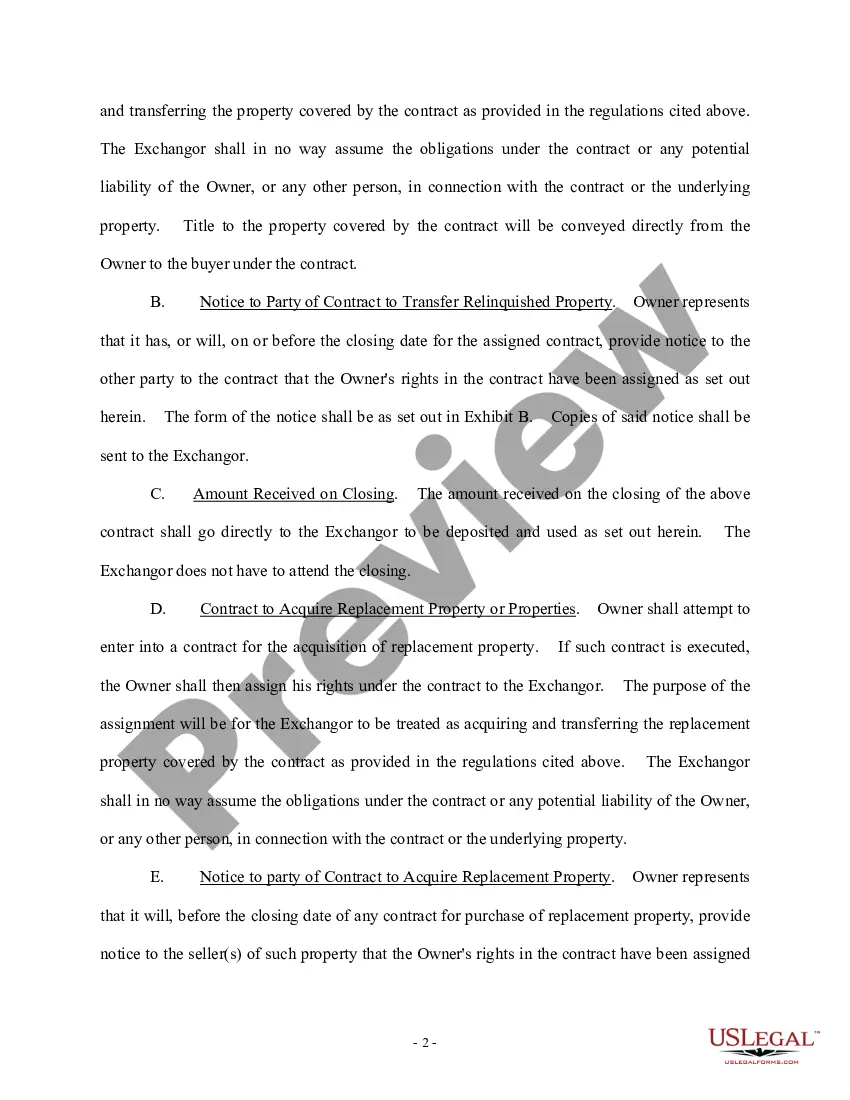
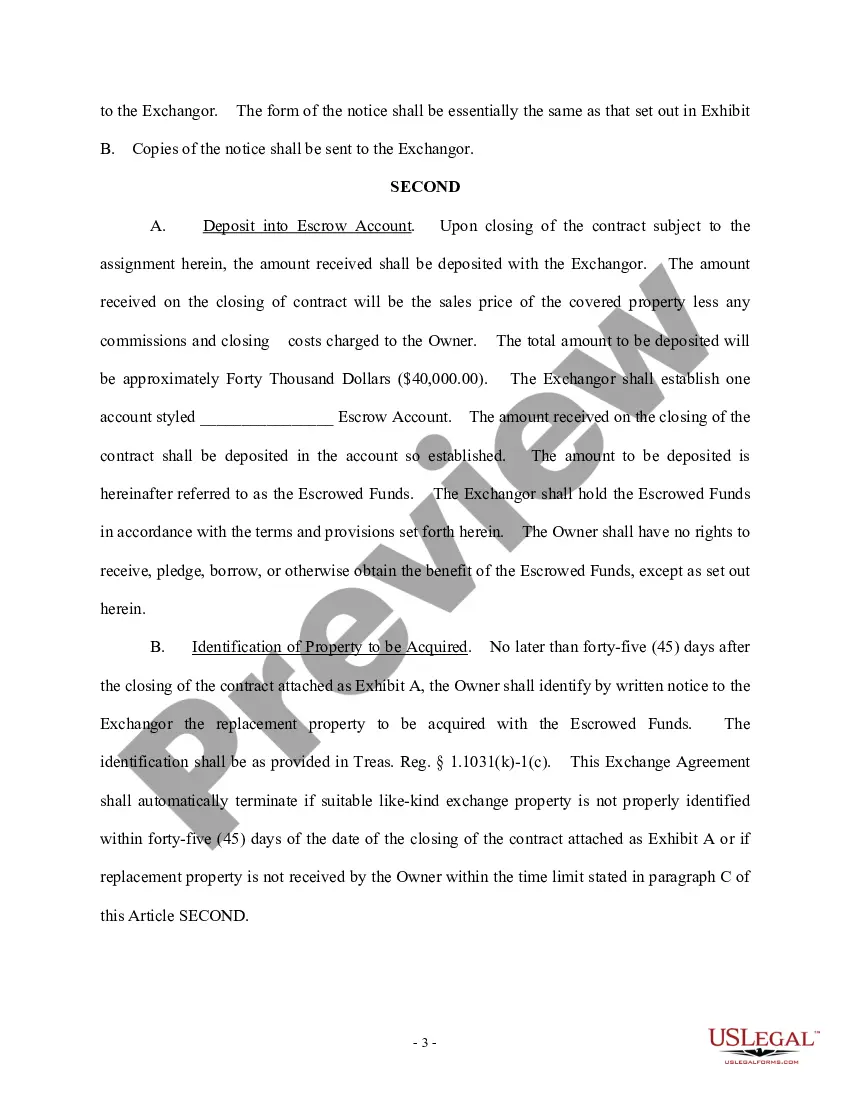
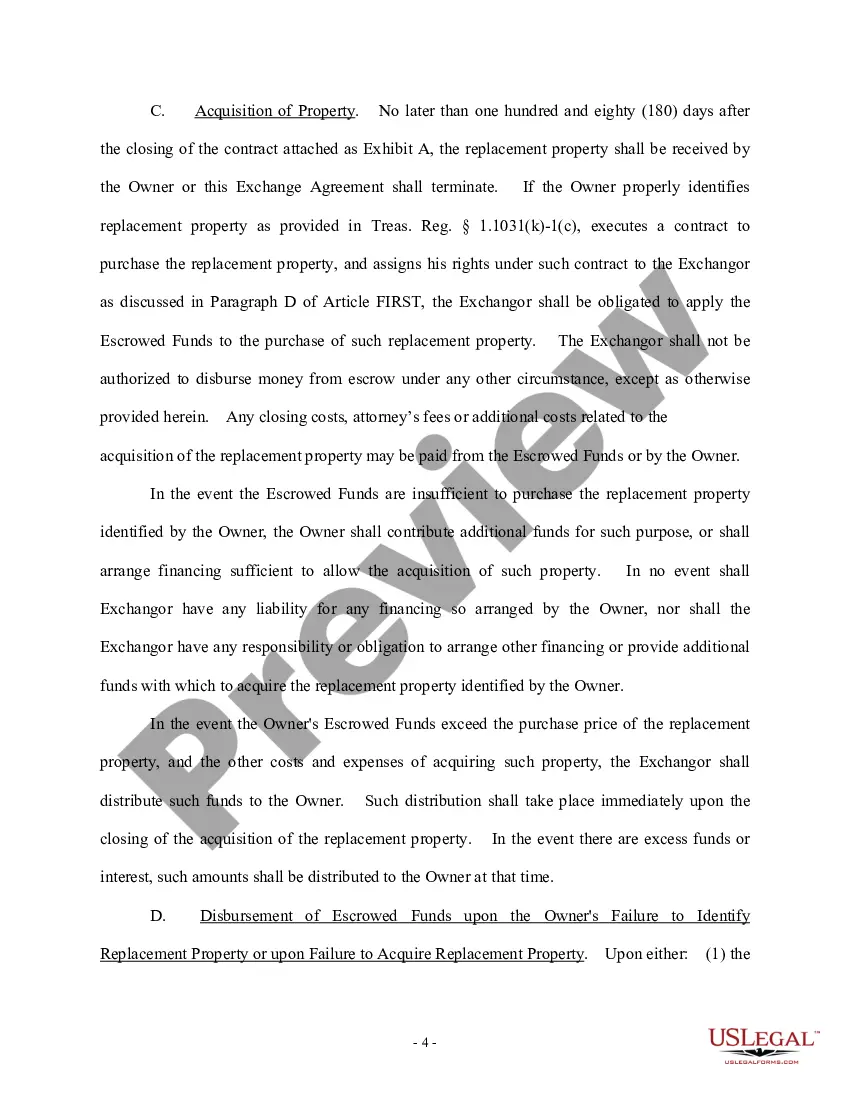
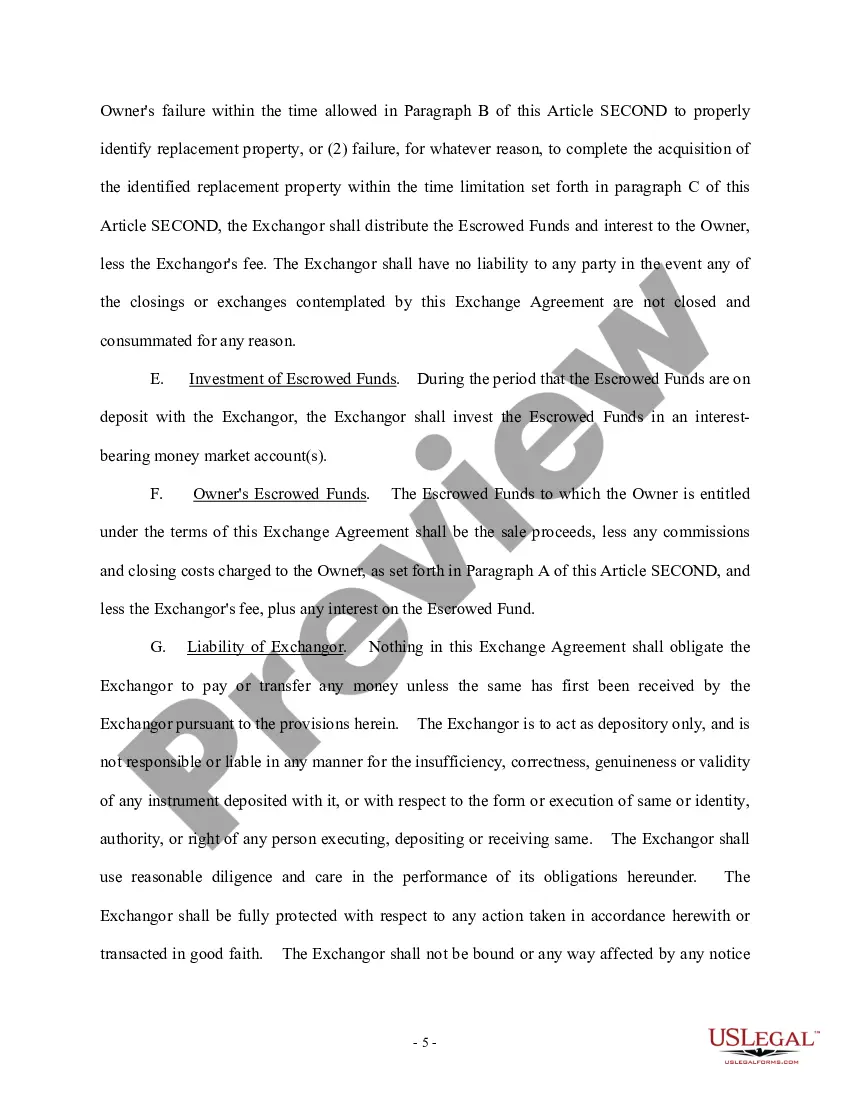
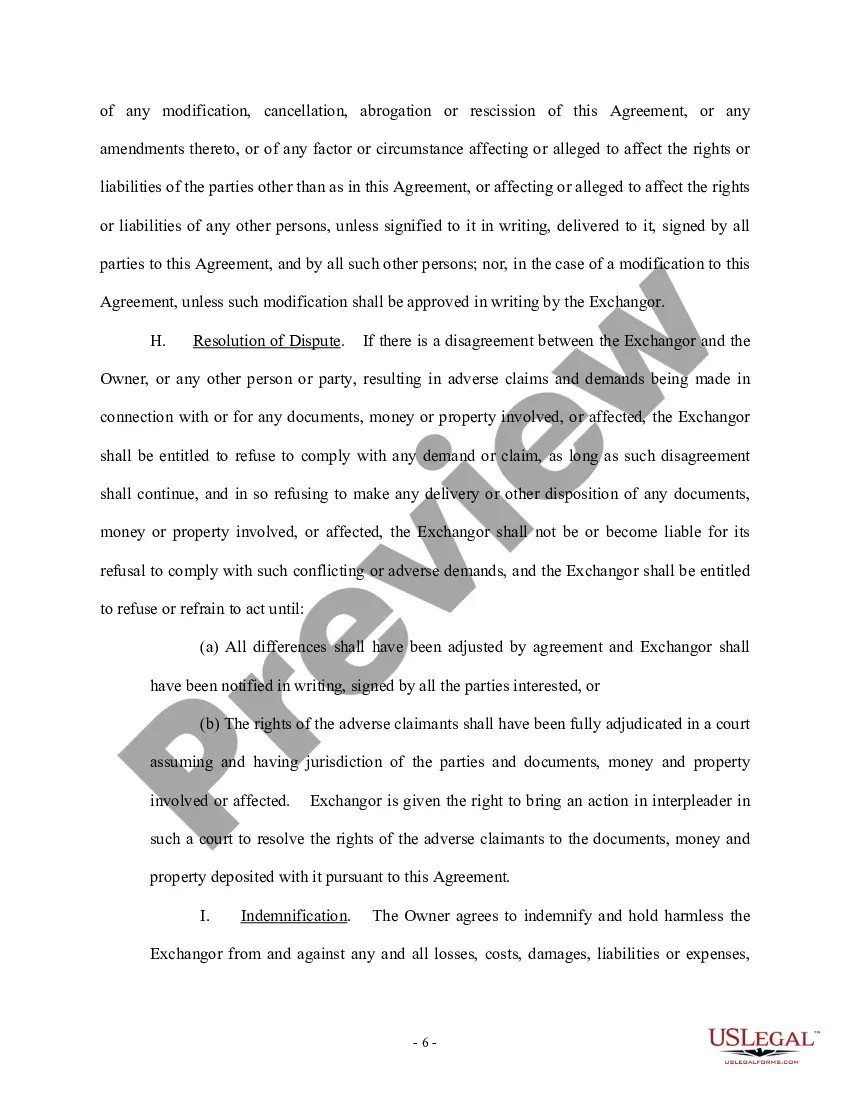
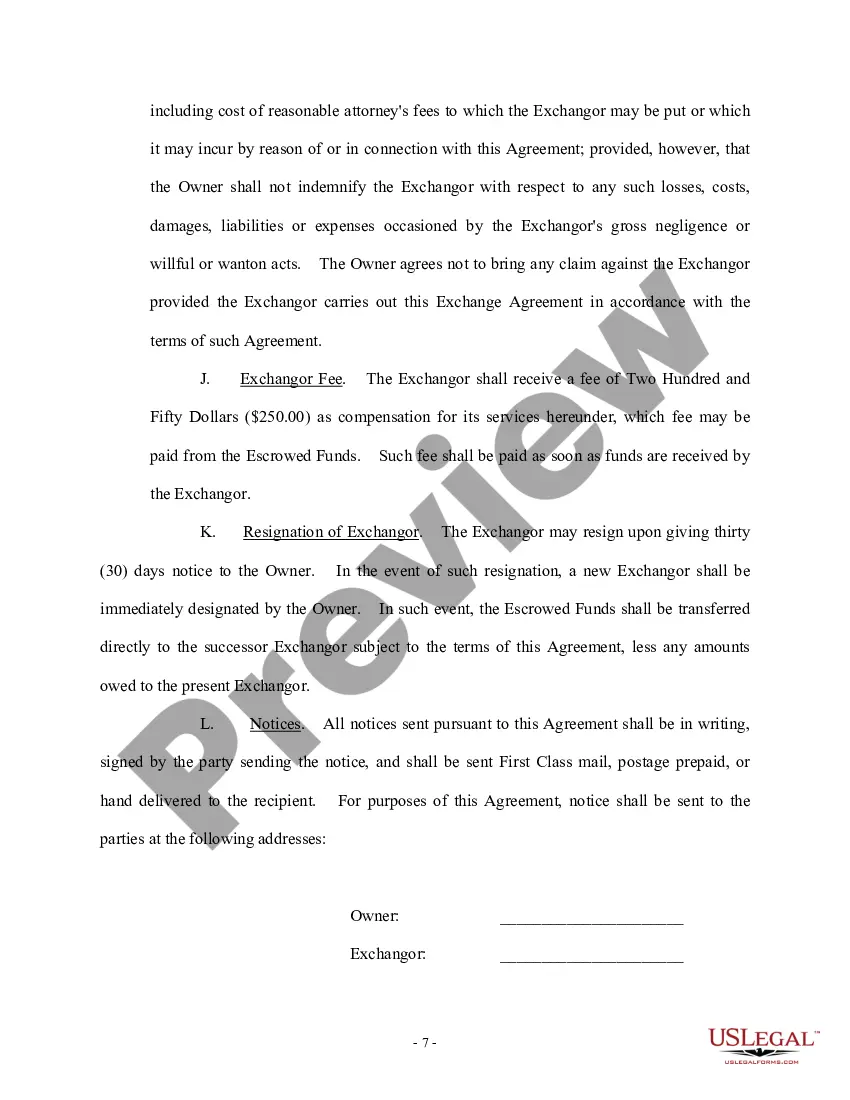
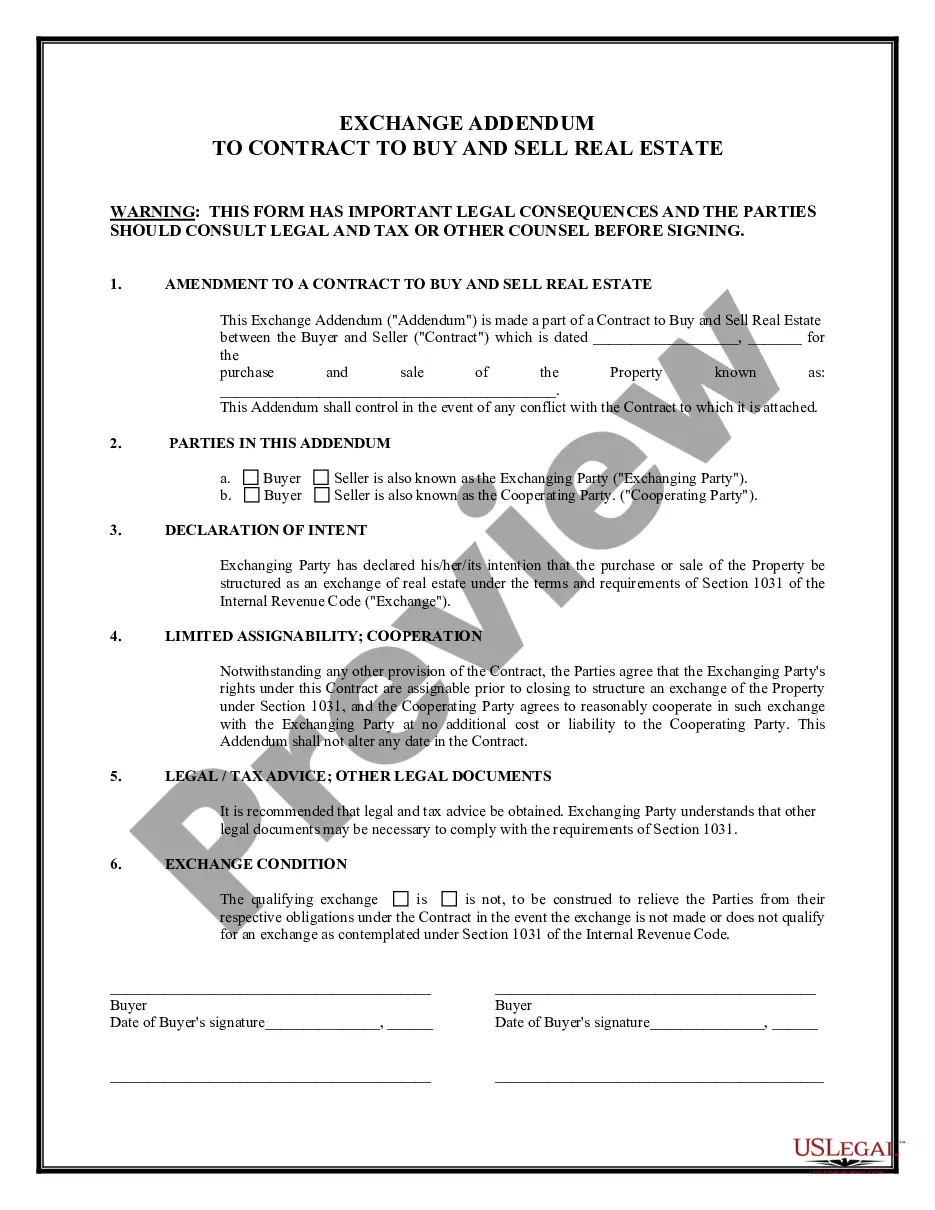
Get your form ready online
Our built-in tools help you complete, sign, share, and store your documents in one place.
Make edits, fill in missing information, and update formatting in US Legal Forms—just like you would in MS Word.
Download a copy, print it, send it by email, or mail it via USPS—whatever works best for your next step.
Sign and collect signatures with our SignNow integration. Send to multiple recipients, set reminders, and more. Go Premium to unlock E-Sign.
If this form requires notarization, complete it online through a secure video call—no need to meet a notary in person or wait for an appointment.
We protect your documents and personal data by following strict security and privacy standards.

Make edits, fill in missing information, and update formatting in US Legal Forms—just like you would in MS Word.

Download a copy, print it, send it by email, or mail it via USPS—whatever works best for your next step.

Sign and collect signatures with our SignNow integration. Send to multiple recipients, set reminders, and more. Go Premium to unlock E-Sign.

If this form requires notarization, complete it online through a secure video call—no need to meet a notary in person or wait for an appointment.

We protect your documents and personal data by following strict security and privacy standards.
Looking for another form?

Form popularity
FAQ
A primary residence usually does not qualify for an exchange because it is not used in trade or business or investment. That said, that portion of the primary residence that is used in a trade or business or for investment may qualify for a 1031 Exchange.
The identification must be in writing, signed by you and delivered to a person involved in the exchange like the seller of the replacement property or the qualified intermediary. However, notice to your attorney, real estate agent, accountant or similar persons acting as your agent is not sufficient.
For a 1031 exchange in Ohio, an investor must identify a replacement property within 45 days from the sale of the relinquished property. Furthermore, the transaction must be completed by acquiring the replacement property within 180 days of the sale or by the tax filing deadline, whichever comes first.
Steps Involved in a Reverse 1031 Exchange Qualified Intermediary or Exchange Accommodator Titleholder Agreement. Buy The Property. EAT Takes Possession of Title To The New Property. Exchanger Identifies the Relinquished Property. Choose a Qualified Intermediary. Sell The Relinquished Property.
An easy rule to remember is that the taxpayer's basis in the replacement property is the value of the replacement property less the amount of gain deferred in the exchange (or plus the amount of unrecognized loss).
Reversing a 1031 exchange involves undoing a previously executed exchange of like-kind properties, which can result in various tax implications. When reversing a 1031 exchange, any realized gain from the initial sale of the relinquished property could potentially be recognized and subjected to taxation.
TIMELINE REQUIREMENTS Measured from when the relinquished property closes, the Exchangor has 45 days to nominate (identify) potential replacement properties and 180 days to acquire the replacement property. The exchange is completed in 180 days, not 45 days plus 180 days.
One situation where it is possible to buy from a related party is when the related party is also performing a 1031 exchange and acquires like-kind replacement property. Both parties would need to maintain ownership of their replacement properties for at least two years after acquisition.
A crucial requirement in a 1031 exchange is that the same taxpayer must sell the relinquished property and acquire the replacement asset. However, there are scenarios where a change of ownership can occur in properties involved in a 1031 exchange without invalidating the exchange.
