1031 Exchange Agreement Form For India In Oakland
Description




Form popularity
FAQ
Here are examples of properties ineligible for a 1031 exchange: Primary residences: A 1031 exchange is specifically intended for investment or business properties. Personal properties are not eligible. Vacation homes: Vacation homes generally do not qualify if used for personal reasons.
How to Do a 1031 Exchange Choose a qualified intermediary to coordinate the exchange. Sell your current real estate property. You have 45 days to identify potential replacement properties. You have 180 days to close on a replacement property. File IRS Form 8824.
You can perform a 1031 exchange with foreign properties, so long as your relinquished and replacement properties are both located outside the United States.
It allows taxpayers to defer paying income taxes on the sale of property if the proceeds are reinvested in a similar kind of property.
Pennsylvania Does Not Recognize 1031 Tax Deferrals Yes, that's right – Pennsylvania has long been the sole hold-out among all our states to not recognize 1031 tax deferral benefits. When a business property is sold in Pennsylvania, a tax is generally owed.
While foreign property is not of a like kind with domestic property, foreign properties are considered like-kind with one another. You can perform a 1031 exchange with foreign properties, so long as your relinquished and replacement properties are both located outside the United States.
You can perform a 1031 exchange with foreign properties, so long as your relinquished and replacement properties are both located outside the United States.
Section 1031(f) provides that if a Taxpayer exchanges with a related party then the party who acquired the property in the exchange must hold it for 2 years or the exchange will be disallowed.
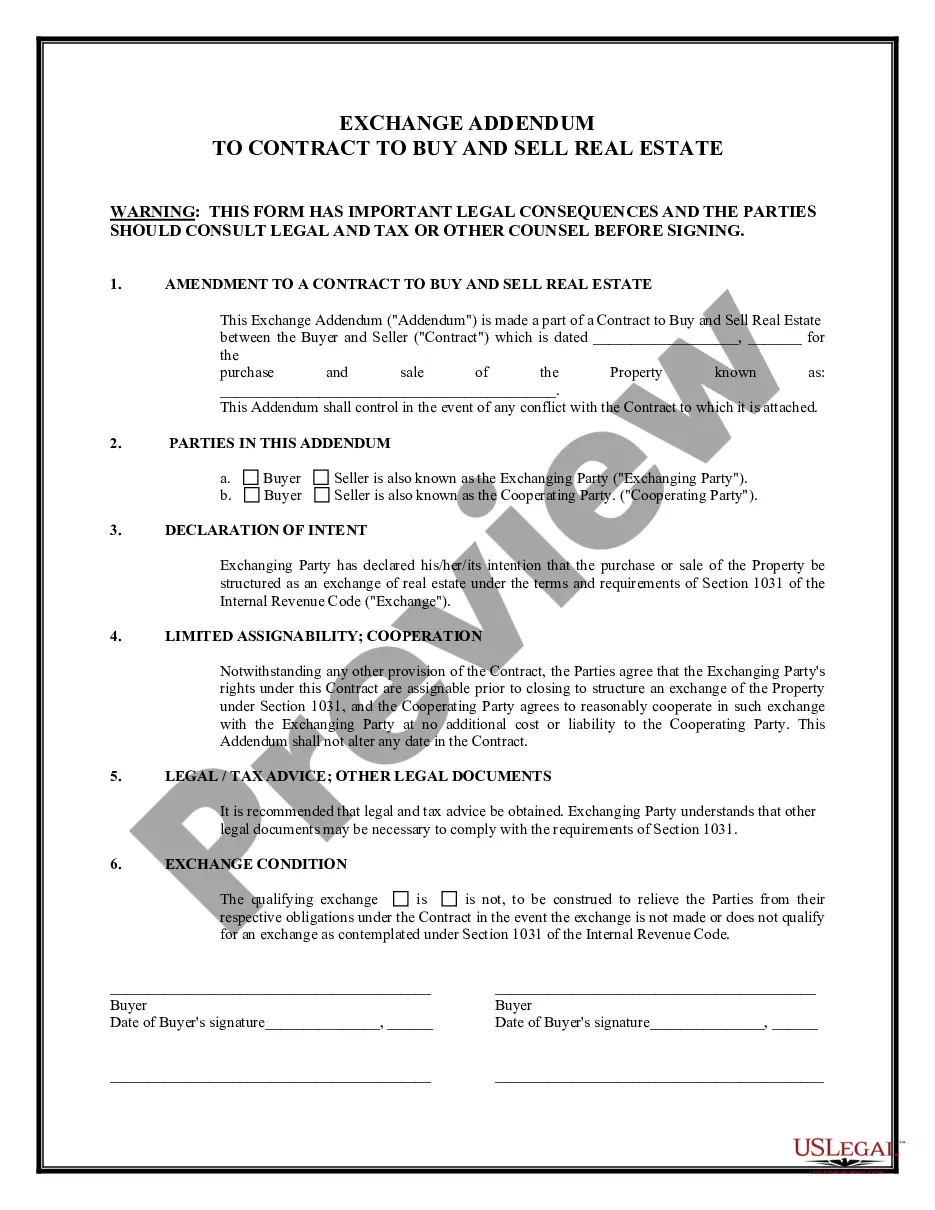
A 1031 exchange gets its name from Section 1031 of the U.S. Internal Revenue Code, which allows you to avoid paying capital gains taxes when you sell an investment property and reinvest the proceeds from the sale within certain time limits in a property or properties of like-kind and equal or greater value.
