1031 Exchange Agreement Form For Uk In Bronx
Description

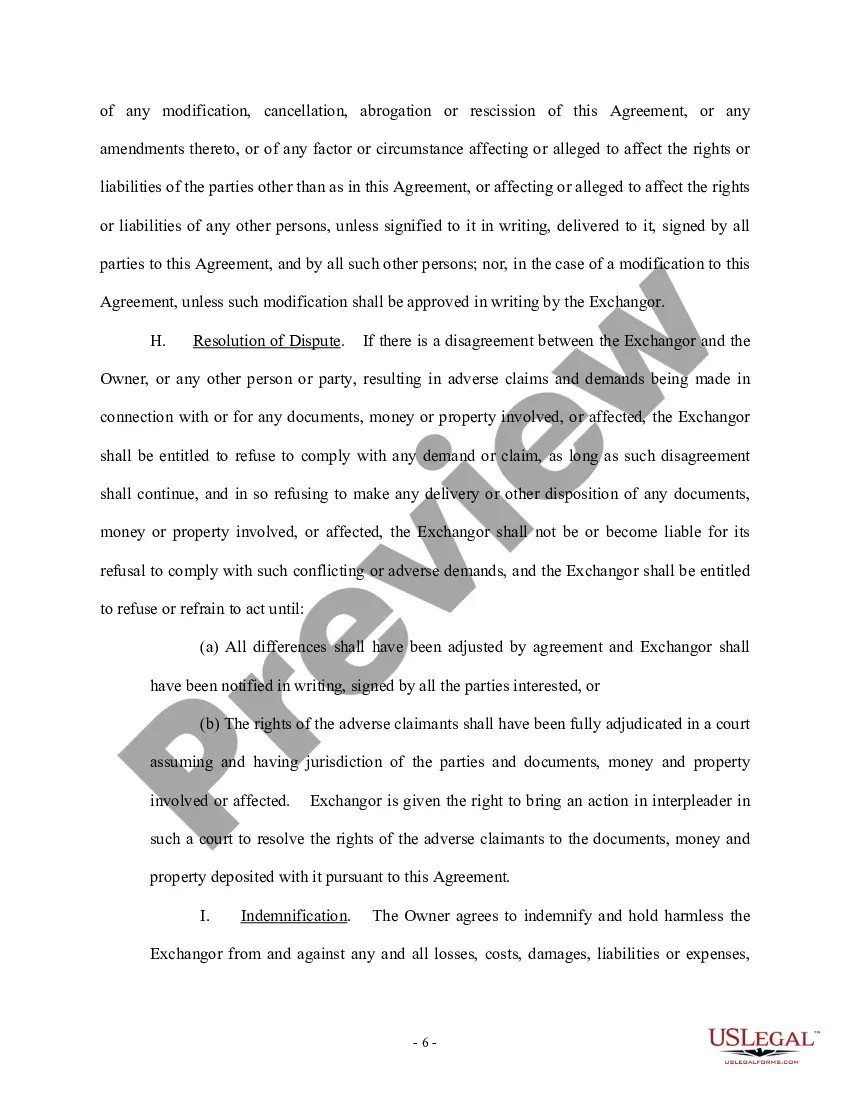
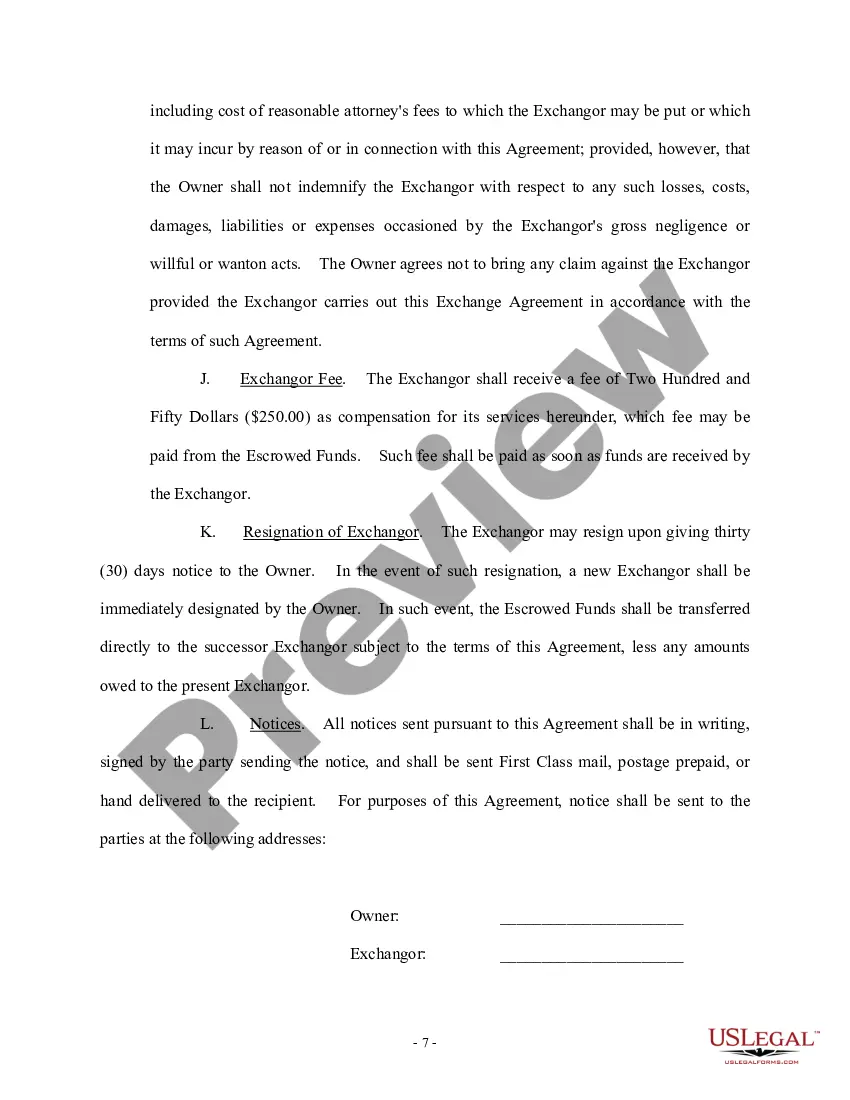
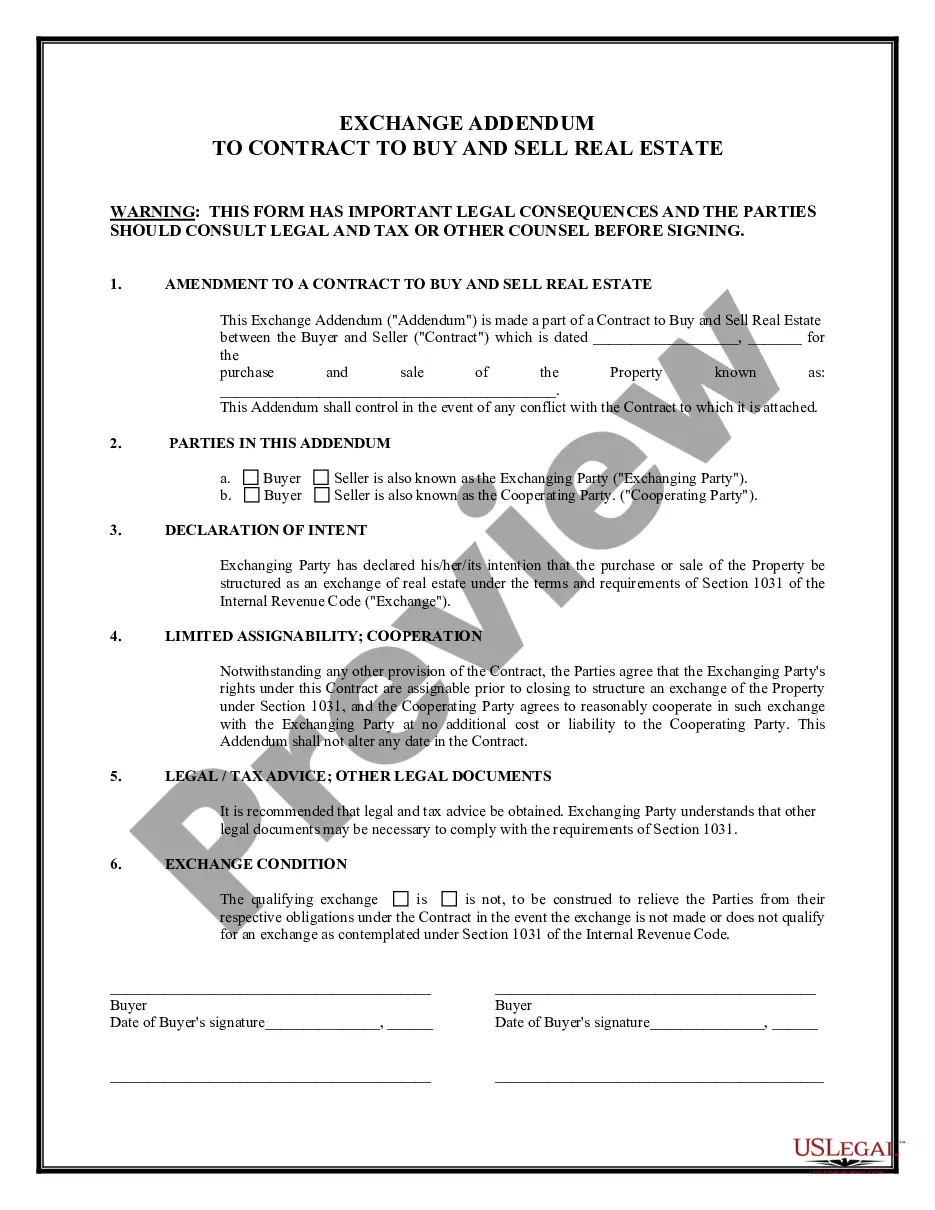
Get your form ready online
Our built-in tools help you complete, sign, share, and store your documents in one place.
Make edits, fill in missing information, and update formatting in US Legal Forms—just like you would in MS Word.
Download a copy, print it, send it by email, or mail it via USPS—whatever works best for your next step.
Sign and collect signatures with our SignNow integration. Send to multiple recipients, set reminders, and more. Go Premium to unlock E-Sign.
If this form requires notarization, complete it online through a secure video call—no need to meet a notary in person or wait for an appointment.
We protect your documents and personal data by following strict security and privacy standards.

Make edits, fill in missing information, and update formatting in US Legal Forms—just like you would in MS Word.

Download a copy, print it, send it by email, or mail it via USPS—whatever works best for your next step.

Sign and collect signatures with our SignNow integration. Send to multiple recipients, set reminders, and more. Go Premium to unlock E-Sign.

If this form requires notarization, complete it online through a secure video call—no need to meet a notary in person or wait for an appointment.

We protect your documents and personal data by following strict security and privacy standards.
Looking for another form?








Form popularity
FAQ
A 1031 exchange is a tax-deferred transaction. If a business owner has property they currently own, they can sell that property, and if they reinvest the proceeds into a replacement property, they can defer any capital gains taxes associated with that sale.
A Practice Note discussing Section 1031 like-kind exchanges of real estate, which is an important tax planning tool that allows real property owners to defer gains on the sale of real estate by investing the proceeds into replacement property.
A Practice Note discussing Section 1031 like-kind exchanges of real estate, which is an important tax planning tool that allows real property owners to defer gains on the sale of real estate by investing the proceeds into replacement property.
In essence, virtually all real property in the United States that is held for investment or productive use in a trade of business (“1031 qualified use”) is “like-kind” to all other U.S. real property to be held for a 1031 qualified use.
Lack of Liquidity- Exchanging properties continually can tie up funds in real estate, making it hard for an investor to access liquid capital if required. While real estate can be a profitable investment, it's not as liquid as some other assets.
In New York, property types eligible for a 1031 exchange must be like-kind, which generally means both the relinquished and replacement properties should be used for business or investment purposes. Both properties must be within the United States.
While foreign property is not of a like kind with domestic property, foreign properties are considered like-kind with one another. You can perform a 1031 exchange with foreign properties, so long as your relinquished and replacement properties are both located outside the United States.
