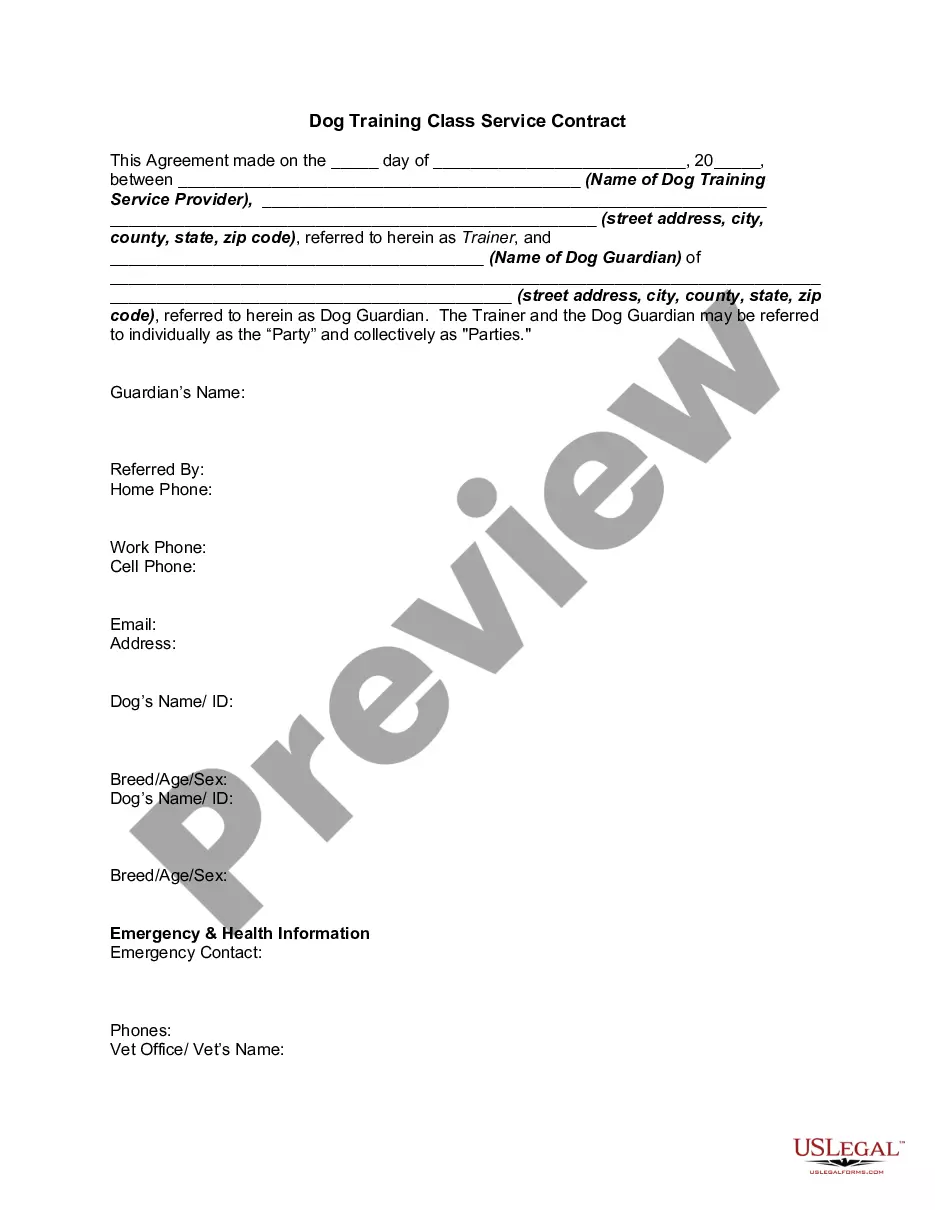
Authorization Letter To Travel Without Parents In Illinois
Description

Get your form ready online
Our built-in tools help you complete, sign, share, and store your documents in one place.
Make edits, fill in missing information, and update formatting in US Legal Forms—just like you would in MS Word.
Download a copy, print it, send it by email, or mail it via USPS—whatever works best for your next step.
Sign and collect signatures with our SignNow integration. Send to multiple recipients, set reminders, and more. Go Premium to unlock E-Sign.
If this form requires notarization, complete it online through a secure video call—no need to meet a notary in person or wait for an appointment.
We protect your documents and personal data by following strict security and privacy standards.

Make edits, fill in missing information, and update formatting in US Legal Forms—just like you would in MS Word.

Download a copy, print it, send it by email, or mail it via USPS—whatever works best for your next step.

Sign and collect signatures with our SignNow integration. Send to multiple recipients, set reminders, and more. Go Premium to unlock E-Sign.

If this form requires notarization, complete it online through a secure video call—no need to meet a notary in person or wait for an appointment.

We protect your documents and personal data by following strict security and privacy standards.
Looking for another form?







Form popularity
FAQ
You'll need to fill out an unaccompanied minor form and any necessary Customs and Immigration documents for the day of departure. This form must remain with your child during their journey. At check-in, parents / guardians will also need to provide: A birth certificate or passport as proof of the child's age.
How do I write a consent letter for my child to travel? List your child's name, birth date/place, and passport details. Provide the parent's/guardian's name, custody information, and passport details. Add contact information for the non-traveling parents/guardians. Detail the child's destination and dates of travel.
What is the purpose of a consent letter? A consent letter demonstrates that children who travel alone, with only one parent/guardian, friends, relatives or a group (e.g. sports, school, musical, religious) have permission to travel abroad from every parent (or guardian) who is not accompanying them on the trip.
I, ______________________________________________ (name of parent), am the ______ (mother) ______ (father) of __________________________________ , aged ____________ , and do hereby give my consent for (him)(her) to travel with __________________________________________________________________ (name/address of traveling ...
I, ______________________________________________ (name of parent), am the ______ (mother) ______ (father) of __________________________________ , aged ____________ , and do hereby give my consent for (him)(her) to travel with __________________________________________________________________ (name/address of traveling ...
Providing parental consent when a child travels without both custodial parents. Ports of entry in many countries have security measures to prevent international child abduction. If your child is traveling alone or with only one parent or legal guardian, they may need a letter of consent from the other custodial parent.
How to Get Something Notarized Know what type of notarization you need. Make sure the document is complete. Bring acceptable identification. Ensure the name on your ID matches the name on your document. Have all signers present for the notarization. Be aware and willing to sign. Know what you will be paying.
To notarize a letter you will need the following; a letter with the details of the signatory, the identification document of the signatory, and a public notary. The notary will watch the signing of the notarized document, verify the details of the signatories, and add their official seal.
Dear Ma'am, I am Sherly Thomas, mother of Jibin Thomas, a student of your class. I have been informed that the school is organising a trip to Goa from 29/12/2021 to 03/01/2022. This is to inform you that I have given my consent for my son to participate in the school trip.
Notarization is an identity-based, anti-fraud measure performed by a government-authorized person called a notary public. A notary public's role is to verify a document signer's identity, to witness the signing of a legal document and to provide an independent check on the mental capacity of the signer.