Travel Permit With Tps In Collin
Description


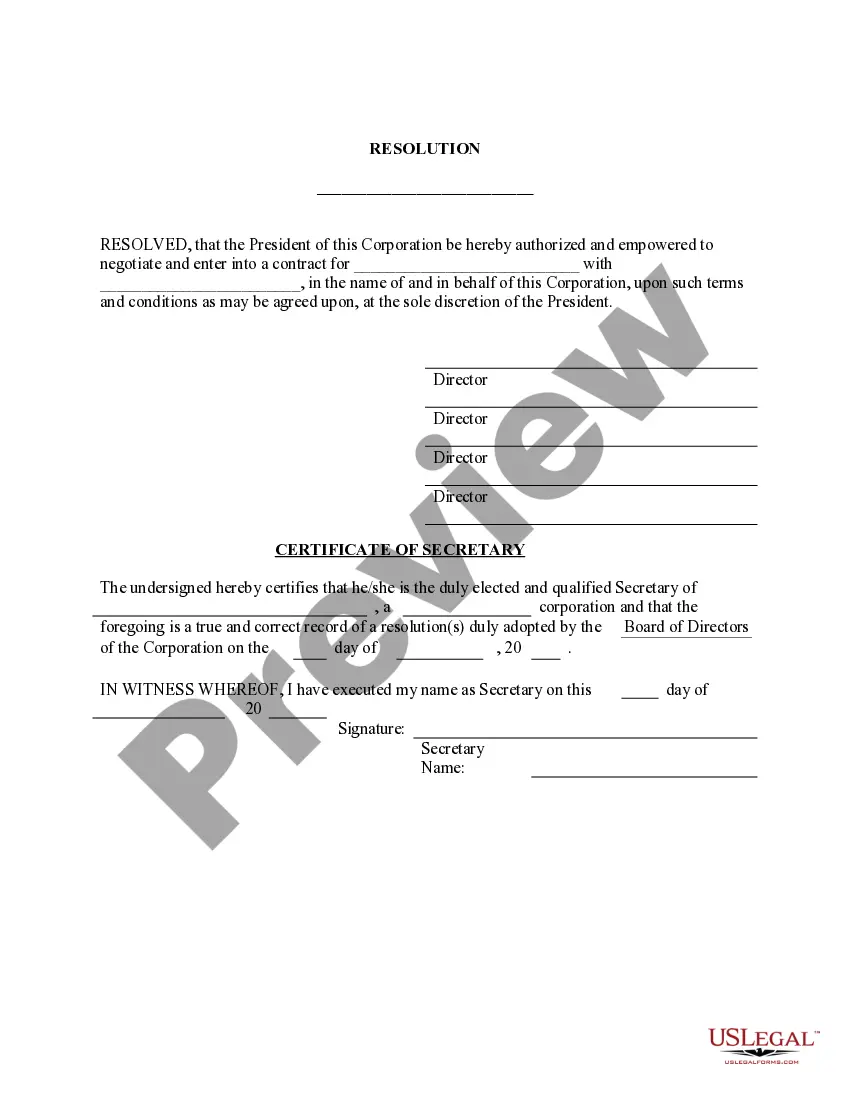

Get your form ready online
Our built-in tools help you complete, sign, share, and store your documents in one place.
Make edits, fill in missing information, and update formatting in US Legal Forms—just like you would in MS Word.
Download a copy, print it, send it by email, or mail it via USPS—whatever works best for your next step.
Sign and collect signatures with our SignNow integration. Send to multiple recipients, set reminders, and more. Go Premium to unlock E-Sign.
If this form requires notarization, complete it online through a secure video call—no need to meet a notary in person or wait for an appointment.
We protect your documents and personal data by following strict security and privacy standards.

Make edits, fill in missing information, and update formatting in US Legal Forms—just like you would in MS Word.

Download a copy, print it, send it by email, or mail it via USPS—whatever works best for your next step.

Sign and collect signatures with our SignNow integration. Send to multiple recipients, set reminders, and more. Go Premium to unlock E-Sign.

If this form requires notarization, complete it online through a secure video call—no need to meet a notary in person or wait for an appointment.

We protect your documents and personal data by following strict security and privacy standards.
Looking for another form?










Form popularity
FAQ
TPS beneficiaries who register by the specified date1 are eligible to remain in the Unites States during the TPS designation period and receive temporary protection from deportation. They may also apply for employment authorization and a travel authorization document during their grant of TPS.
Yes, you can stay in the U.S. while your I-485 application is pending, as long as you are in authorized stay.
TPS beneficiaries who register by the specified date1 are eligible to remain in the Unites States during the TPS designation period and receive temporary protection from deportation. They may also apply for employment authorization and a travel authorization document during their grant of TPS.
During a designated period, individuals who are TPS beneficiaries or who are found preliminarily eligible for TPS upon initial review of their cases (prima facie eligible): Are not removable from the United States. Can obtain an employment authorization document (EAD) May be granted travel authorization.
The second option is to apply to the US Citizenship and Immigration Service (USCIS) while you're in the US. You can stay in the US while you wait for your application to be processed, as long as you file it on time.
TPS offers temporary protection for individuals from designated countries, while asylum provides permanent refuge for those fleeing persecution. Understanding the differences, assessing your situation, and seeking guidance from an immigration lawyer can help you make the best choice.
The travel document usually arrives within 150 days (sometimes longer) after submitting your application. You can't leave the country until you have your approved travel document in hand, so you should expect to spend the 3–5 months after submitting your green card application in the United States.
If you are in the United States and have a pressing or critical need to travel outside the United States in less than 15 days, USCIS may issue an emergency travel document. USCIS may issue an emergency travel document for an: Advance parole document; or. TPS travel authorization document.
If you are using I-131 to apply for a reentry permit, which means you already have a green card, Class of Admission is asking for the three-letter code representing your immigrant category under which you became a permanent resident.
Form I-131, Application for Travel Documents, Parole Documents, and Arrival/Departure Records, is used to apply for the following documents: Reentry Permits, Refugee Travel Documents, Temporary Protected Status (TPS) Travel Authorization Documents, Advance Parole Documents, initial Parole Documents for noncitizens ...
