Who Qualifies For Homestead Tax Exemption
Description





Get your form ready online
Our built-in tools help you complete, sign, share, and store your documents in one place.
Make edits, fill in missing information, and update formatting in US Legal Forms—just like you would in MS Word.
Download a copy, print it, send it by email, or mail it via USPS—whatever works best for your next step.
Sign and collect signatures with our SignNow integration. Send to multiple recipients, set reminders, and more. Go Premium to unlock E-Sign.
If this form requires notarization, complete it online through a secure video call—no need to meet a notary in person or wait for an appointment.
We protect your documents and personal data by following strict security and privacy standards.

Make edits, fill in missing information, and update formatting in US Legal Forms—just like you would in MS Word.

Download a copy, print it, send it by email, or mail it via USPS—whatever works best for your next step.

Sign and collect signatures with our SignNow integration. Send to multiple recipients, set reminders, and more. Go Premium to unlock E-Sign.

If this form requires notarization, complete it online through a secure video call—no need to meet a notary in person or wait for an appointment.

We protect your documents and personal data by following strict security and privacy standards.
Looking for another form?
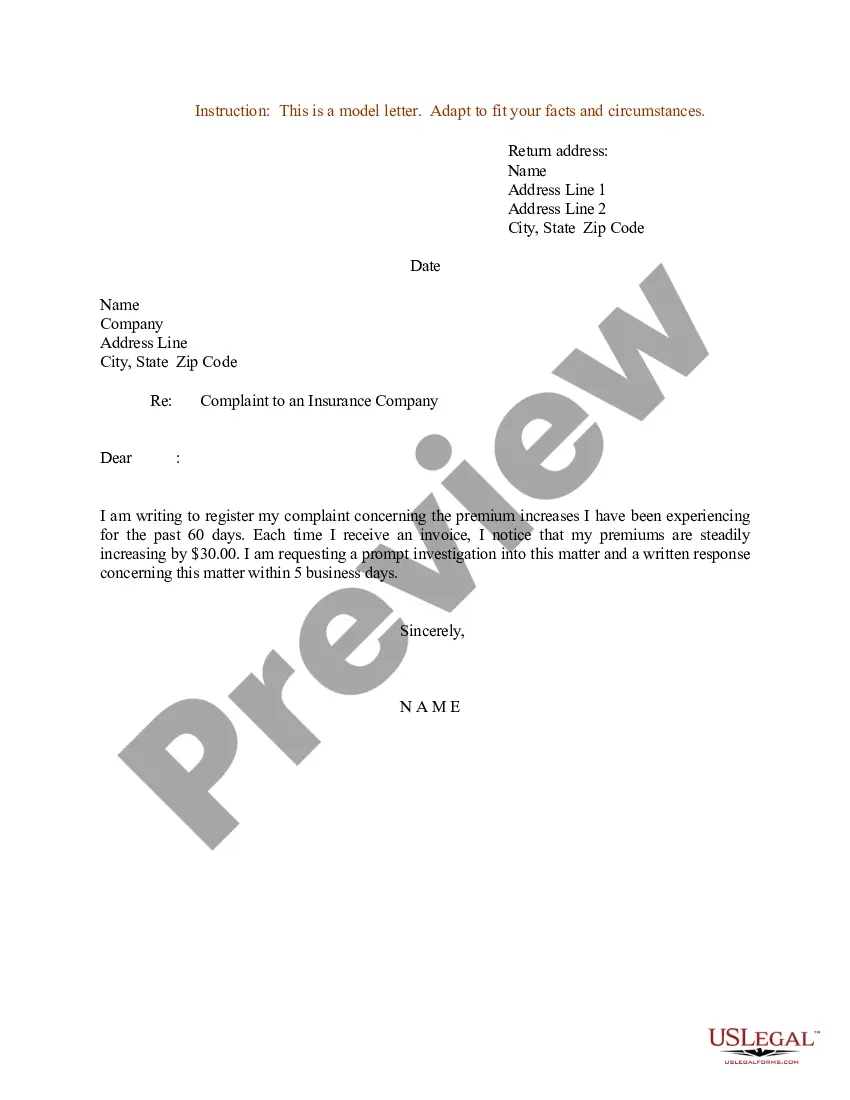
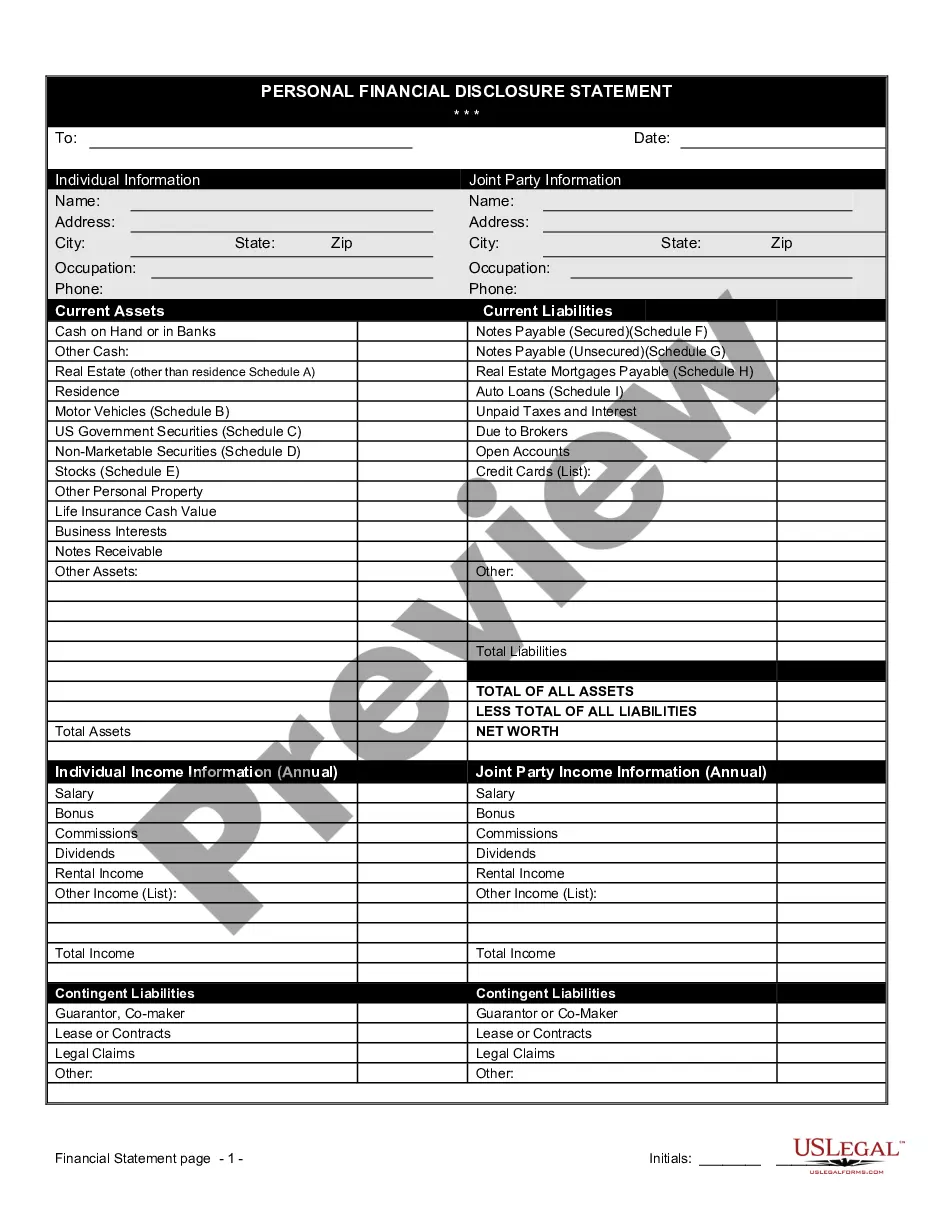


How to fill out Sample Letter For Change Of Venue And Request For Homestead Exemption?
- Start by logging into your US Legal Forms account if you're an existing user. Ensure your subscription is active, and then proceed to download the required form template by clicking the 'Download' button.
- For new users, begin by exploring the Preview mode and reading the form description carefully. Confirm that you've selected the appropriate document that aligns with your needs and complies with local jurisdiction regulations.
- If necessary, utilize the Search functionality to find additional templates that might better fit your circumstances.
- Once you've found the right document, click 'Buy Now' to select a subscription plan that best suits your requirements. Remember, you will need to create an account to gain full access.
- Complete your purchase by providing your credit card information or logging in with PayPal. This will finalize your subscription.
- After purchasing, download the form directly to your device. You can always retrieve it later from the 'My Forms' section in your profile.
US Legal Forms is designed to empower users with quick access to a vast library of legal documents, making the process of obtaining necessary forms straightforward and efficient.
Ready to take the next step? Explore US Legal Forms today and streamline your document preparation process!
Form popularity
FAQ
To determine who qualifies for homestead tax exemption, you generally need to meet a few key criteria. Primarily, you must own and occupy the property as your primary residence. Additionally, many states require that you meet certain income limits or age requirements. For detailed guidance on your specific situation, consider exploring the resources available on the US Legal Forms platform, which can assist you in navigating the qualification process.
The Minnesota homestead exemption can significantly reduce your property taxes. Generally, eligible homeowners may qualify for an exemption up to $400,000 of the market value of their homestead. This exemption can lower the taxable value of your home, thus leading to decreased property tax bills. To determine who qualifies for homestead tax exemption in Minnesota, you need to check your eligibility criteria, which often include residency and ownership requirements.
In Iowa, a homestead is defined as a dwelling designated as the primary residence of a homeowner. This can include various property types, such as single-family homes and mobile homes, where the owner resides. The owner must occupy the property for at least six months of the year. To maximize your benefits, it’s crucial to know who qualifies for homestead tax exemption and how to properly declare your property as a homestead.
Applicants of the Homestead Act must clearly demonstrate their ownership and use of the property as their primary residence. Additionally, they must meet specific income and residency criteria to qualify. Documentation often includes proof of identity, residency, and ownership, making it essential to prepare properly. If you're unsure about who qualifies for homestead tax exemption, resources like US Legal Forms can guide you through the process.
In Alabama, homeowners can benefit from a homestead exemption that alters their property tax rate. The standard homestead exemption allows individuals to exempt up to $4,000 of their home's value from taxation. Furthermore, individuals aged 65 or older may qualify for additional benefits. Knowing who qualifies for homestead tax exemption in Alabama can lead to significant savings for eligible homeowners.
In Iowa, the homestead exemption can significantly lower your property taxes, depending on the assessed value of your home. The exemption typically provides a reduction of up to $4,850 off the assessed value in 2023. This means that taxpayers could save substantial amounts yearly, which is beneficial for many homeowners. Understanding who qualifies for homestead tax exemption helps ensure you receive these savings.
To qualify for the homestead exemption in Florida, you must own and occupy the property as your permanent residence. Additionally, you need to maintain residency as of January 1st of the tax year for which you're applying. Once eligibility is confirmed, fill out the application and submit it to your county property appraiser’s office. Being aware of who qualifies for homestead tax exemption ensures that you take full advantage of potential savings.
In Iowa, you must occupy your property as your primary residence to qualify for a homestead exemption. Ownership of the property is necessary, and the home should not serve as rental property. Upon meeting these criteria, you should file an application with your local assessor’s office. Learning who qualifies for homestead tax exemption in Iowa can lead to reduced property taxes.
Qualifying for the homestead credit involves meeting your state’s residency requirements, which typically includes owning and occupying your home. States might also assess income levels, age, or disability status when determining eligibility. Completing the necessary paperwork promptly can ensure you receive the benefits. Further understanding who qualifies for homestead tax exemption can help streamline this journey.
You qualify for the homestead credit based on your age, ownership in the property, and whether it serves as your primary residence. Many states also consider income levels and any disabilities when determining eligibility. Applying for the credit usually involves submitting specific forms to your local tax authority. It’s beneficial to learn who qualifies for homestead tax exemption, as this can maximize your financial relief.
