Homestead Act Form Massachusetts In Virginia
Description





Get your form ready online
Our built-in tools help you complete, sign, share, and store your documents in one place.
Make edits, fill in missing information, and update formatting in US Legal Forms—just like you would in MS Word.
Download a copy, print it, send it by email, or mail it via USPS—whatever works best for your next step.
Sign and collect signatures with our SignNow integration. Send to multiple recipients, set reminders, and more. Go Premium to unlock E-Sign.
If this form requires notarization, complete it online through a secure video call—no need to meet a notary in person or wait for an appointment.
We protect your documents and personal data by following strict security and privacy standards.

Make edits, fill in missing information, and update formatting in US Legal Forms—just like you would in MS Word.

Download a copy, print it, send it by email, or mail it via USPS—whatever works best for your next step.

Sign and collect signatures with our SignNow integration. Send to multiple recipients, set reminders, and more. Go Premium to unlock E-Sign.

If this form requires notarization, complete it online through a secure video call—no need to meet a notary in person or wait for an appointment.

We protect your documents and personal data by following strict security and privacy standards.
Looking for another form?

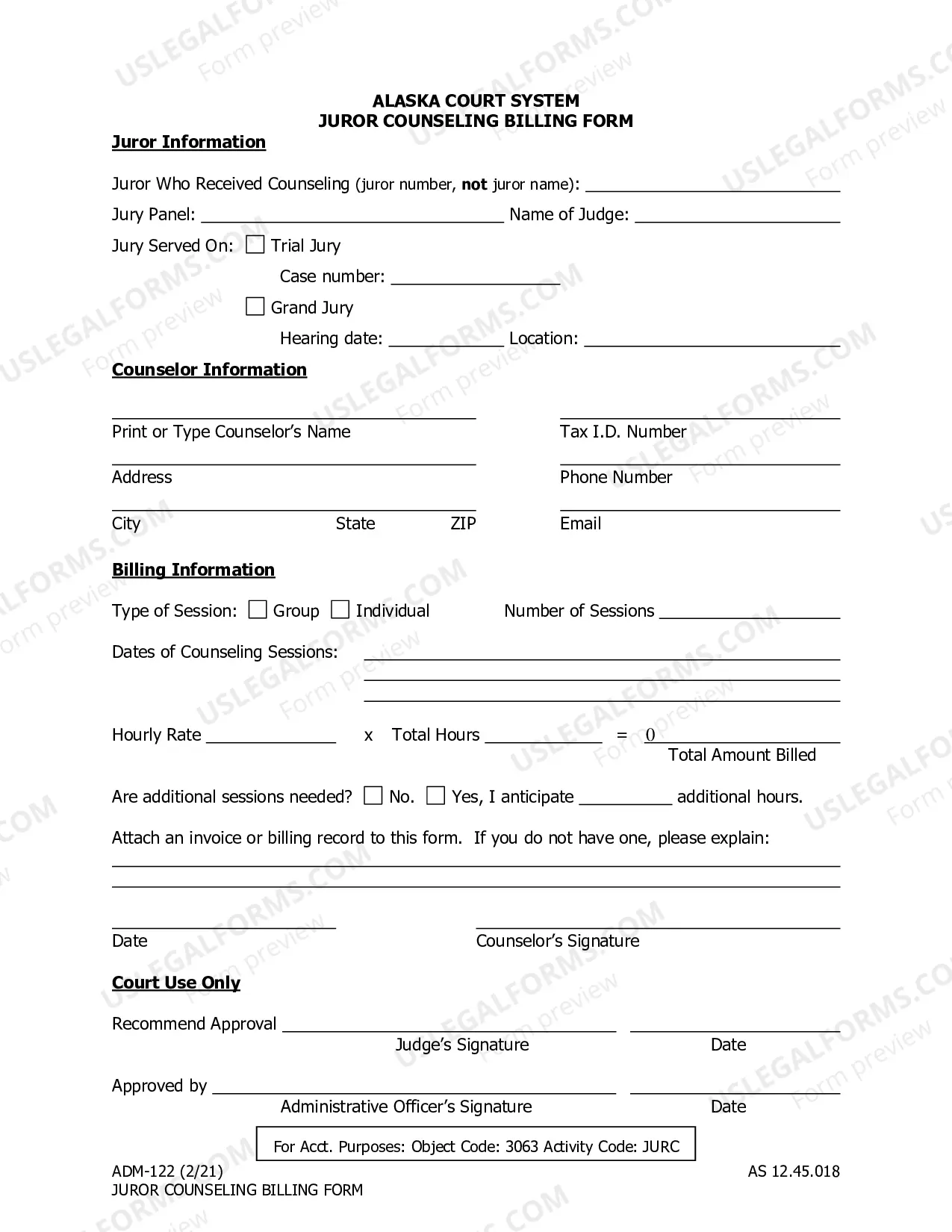
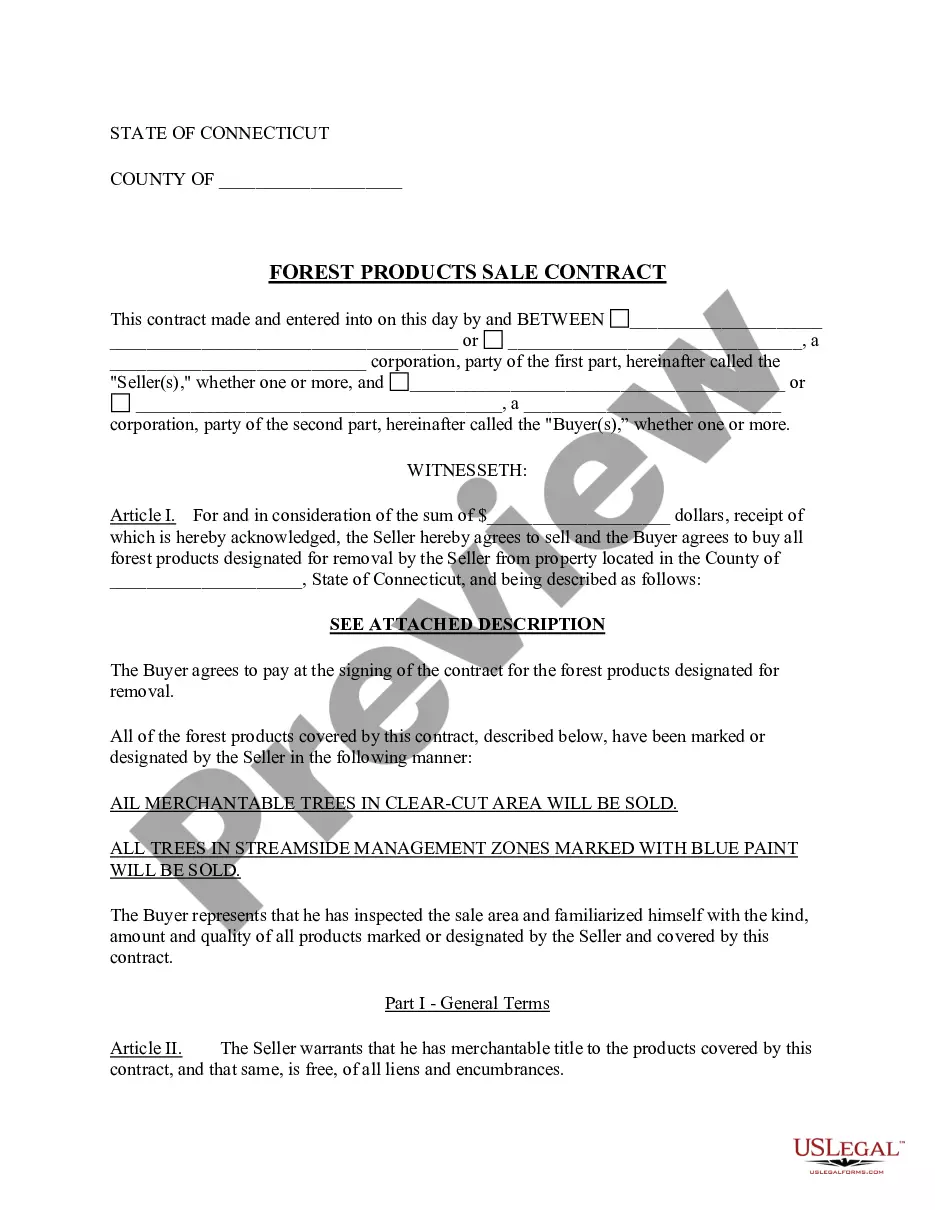


Form popularity
FAQ
Homestead declaration protects against attachment, seizure, execution on judgment, levy or sale for the payment of debts up to one million dollars ($1,000,000) per residence, per family.
Virginia homestead laws allow residents to designate up to $5,000 worth of real estate (including mobile homes) as a homestead, plus $500 for each dependent. If a resident is sixty-five years of age or older, or a married couples files for an exemption together, up to $10,000 may be exempted under the homestead laws.
Virginia homestead laws allow residents to designate up to $5,000 worth of real estate (including mobile homes) as a homestead, plus $500 for each dependent. If a resident is sixty-five years of age or older, or a married couples files for an exemption together, up to $10,000 may be exempted under the homestead laws.
Virginia law allows for the filing of a homestead deed within your local county Land Records office. In Fairfax County and the City of Fairfax, homestead deeds are recorded in the Land Records Division of the Fairfax Circuit Court.
The Homestead Deed must be in proper legal form and should be prepared by a Virginia licensed attorney. Once the Homestead Deed is filed with the Circuit Court for the city or county where the debtor lives, and other needed steps are taken, the property generally is protected from creditors.
Ownership may be transferred by preparation of a new deed, which has been properly signed. The new deed must be recorded in the Circuit Court Clerk's Office where the real estate is located.
If there are multiple owners, and only one qualifies for an elderly or disabled homestead protection, consider filing one homestead declaration per owner to protect the family's right to use, occupy and enjoy the home.
Any Virginia resident 18 years of age or older may file a Homestead Deed. A married couple each may file a separate Homestead Deed.
A lien can be placed on your home before and after you file a declaration of homestead, but no one can collect on the lien(s) that were placed on your home after you filed a declaration of homestead.
How is the Homestead established? Section 4 of MGL Ch. 188 provides an automatic exemption available to everyone who owns a home and who occupies or intends to occupy the home as his or her principal residence. This exemption is for $125,000.00.