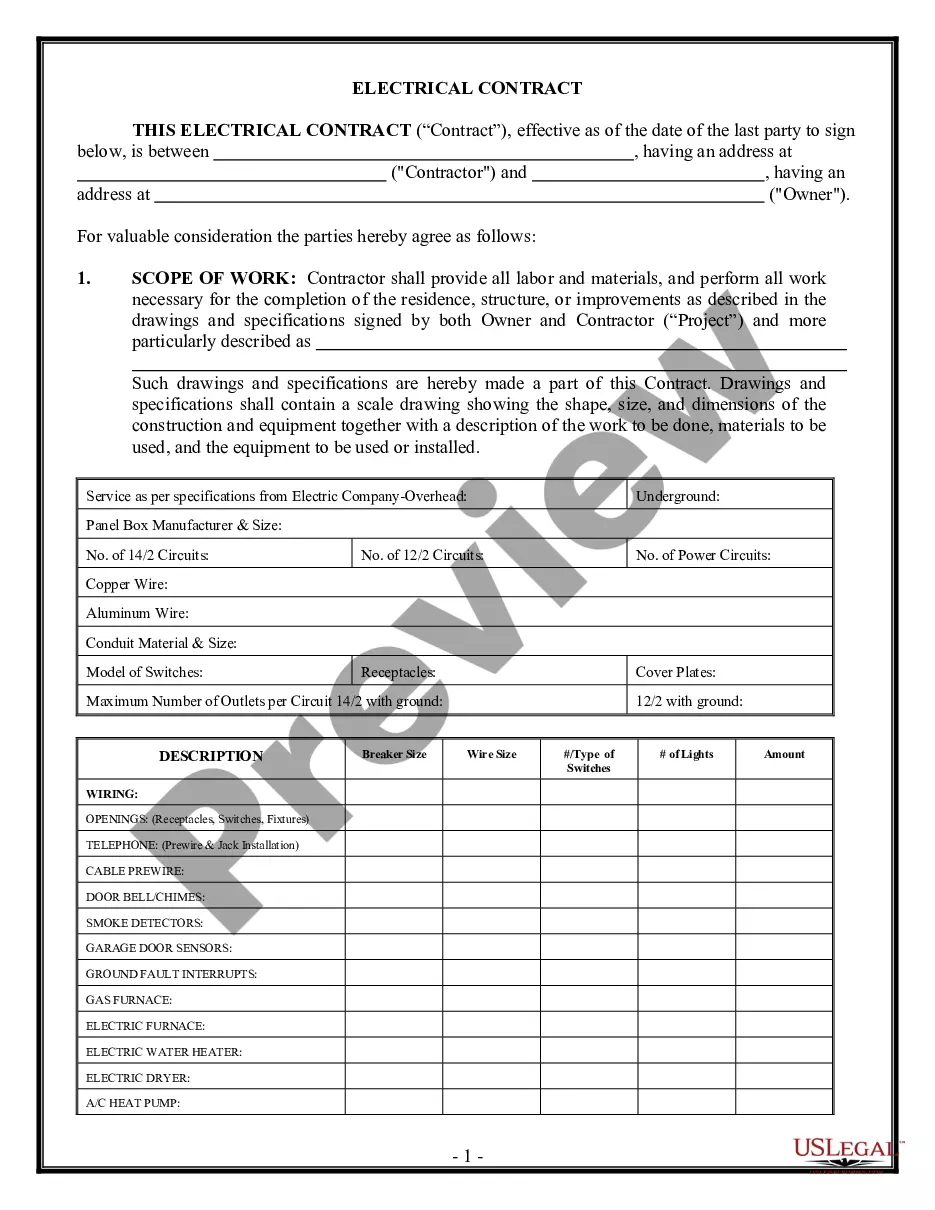
Residence Homestead Exemption Application Form 50-114 In Utah
Description





Get your form ready online
Our built-in tools help you complete, sign, share, and store your documents in one place.
Make edits, fill in missing information, and update formatting in US Legal Forms—just like you would in MS Word.
Download a copy, print it, send it by email, or mail it via USPS—whatever works best for your next step.
Sign and collect signatures with our SignNow integration. Send to multiple recipients, set reminders, and more. Go Premium to unlock E-Sign.
If this form requires notarization, complete it online through a secure video call—no need to meet a notary in person or wait for an appointment.
We protect your documents and personal data by following strict security and privacy standards.

Make edits, fill in missing information, and update formatting in US Legal Forms—just like you would in MS Word.

Download a copy, print it, send it by email, or mail it via USPS—whatever works best for your next step.

Sign and collect signatures with our SignNow integration. Send to multiple recipients, set reminders, and more. Go Premium to unlock E-Sign.

If this form requires notarization, complete it online through a secure video call—no need to meet a notary in person or wait for an appointment.

We protect your documents and personal data by following strict security and privacy standards.
Looking for another form?







Form popularity
FAQ
What qualifies a home as a primary residence in Utah? Utah code defines a primary residence as a home that serves as the occupant's primary domicile for at least 183 consecutive days in a year. The owner, the owner's spouse, another family member, or a tenant may occupy the residence.
In general, residency is established by living in Utah for a consecutive year prior to your application. Birthplace does not play a role in your classification.
Exemptions increase based on age, and can be claimed by seniors, the disabled and veterans. Qualifying homeowners can get 50% the value of their primary residence (up to $125,000) deducted from property tax. Disabled veterans can claim other reductions.
A "principal residence" or "principal place of residence" is considered to be equivalent to domicile, that place where a person has his or her true, fixed, and permanent home and to which that individual has the intention of returning to, whenever absent.
The list is a follows: The location of all of the taxpayer's residential real property, and the approximate sizes and values of each of the residences. The state where the taxpayer's spouse and children reside. The state where the taxpayer's children attend school.
Did you know that Utah has a new property tax relief program? It's called the Property Tax Deferral Program for Elderly Property Owners. The program allows Utahns 75 and older to defer their property taxes until the home is transferred to a new owner.
You may be eligible for the primary residential exemption if you occupy your home for 183 consecutive days or more in a calendar year. The exemption applies to your house and up to one acre of land. Apartments, condos and mobile homes also qualify.
Utah law permits you to protect property that is not your primary personal residence, but if you don't live in the property, the exemption amount is limited to $5,000. The homestead exemption also applies to sale proceeds for up to one year after the property is sold.
A decedent's surviving spouse is entitled to a homestead allowance of $22,500. If there is no surviving spouse, each minor child and each dependent child of the decedent is entitled to a homestead allowance amounting to $22,500 divided by the number of minor and dependent children of the decedent.
You may be eligible for the primary residential exemption if you occupy your home for 183 consecutive days or more in a calendar year.