Homestead Exemption For Ohio In Texas
Description





Get your form ready online
Our built-in tools help you complete, sign, share, and store your documents in one place.
Make edits, fill in missing information, and update formatting in US Legal Forms—just like you would in MS Word.
Download a copy, print it, send it by email, or mail it via USPS—whatever works best for your next step.
Sign and collect signatures with our SignNow integration. Send to multiple recipients, set reminders, and more. Go Premium to unlock E-Sign.
If this form requires notarization, complete it online through a secure video call—no need to meet a notary in person or wait for an appointment.
We protect your documents and personal data by following strict security and privacy standards.

Make edits, fill in missing information, and update formatting in US Legal Forms—just like you would in MS Word.

Download a copy, print it, send it by email, or mail it via USPS—whatever works best for your next step.

Sign and collect signatures with our SignNow integration. Send to multiple recipients, set reminders, and more. Go Premium to unlock E-Sign.

If this form requires notarization, complete it online through a secure video call—no need to meet a notary in person or wait for an appointment.

We protect your documents and personal data by following strict security and privacy standards.
Looking for another form?



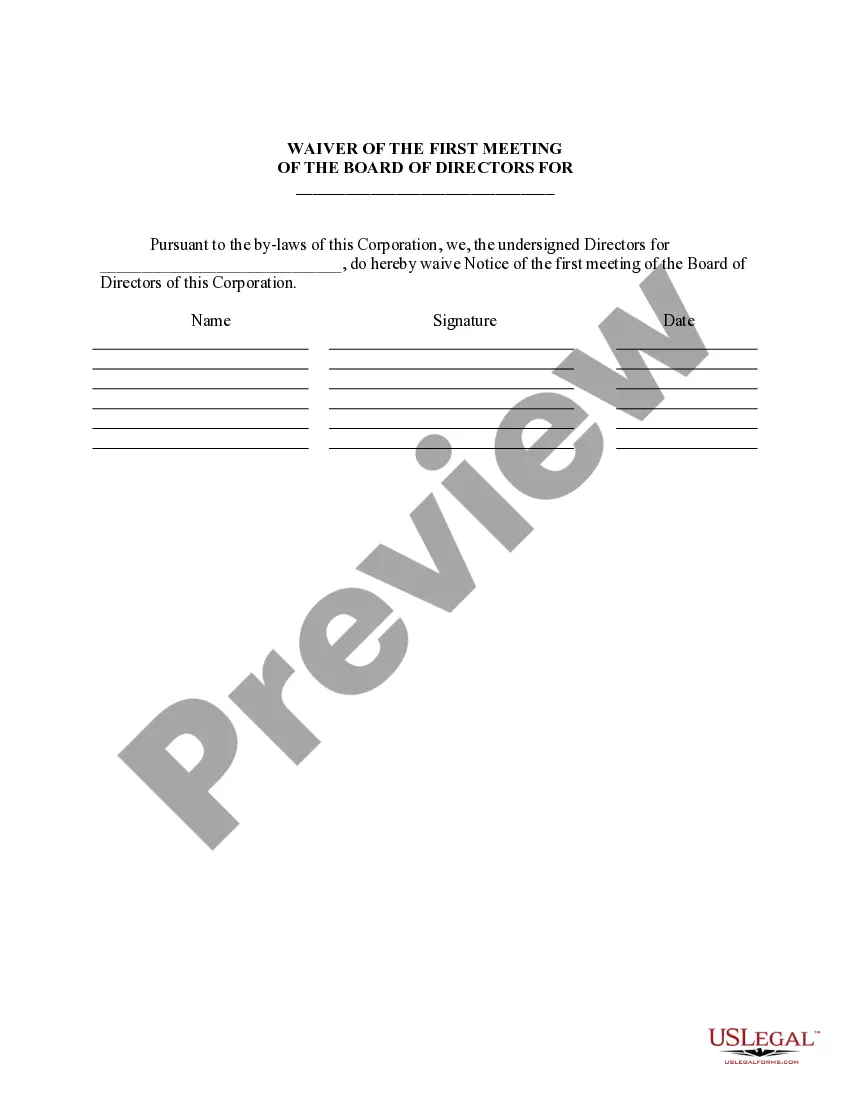



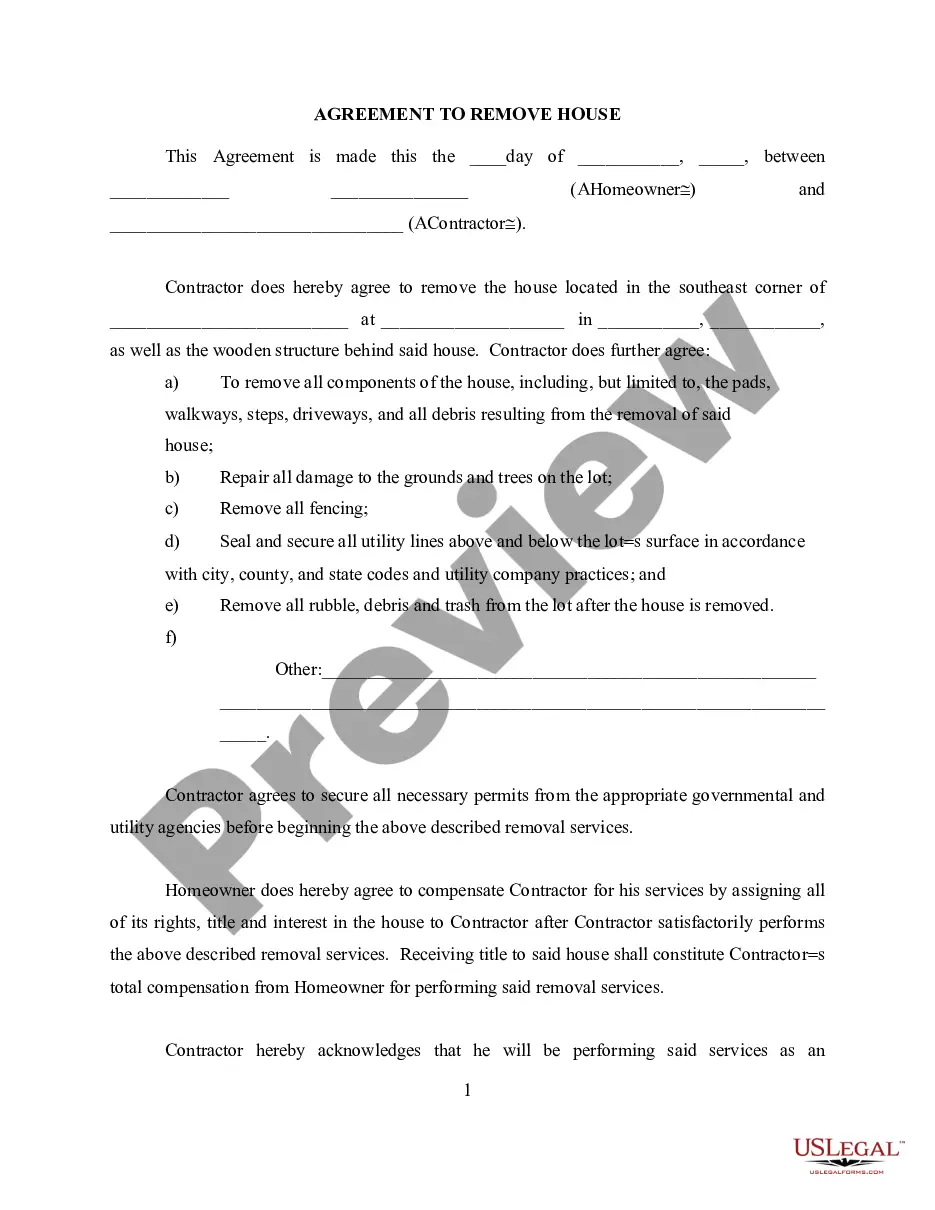
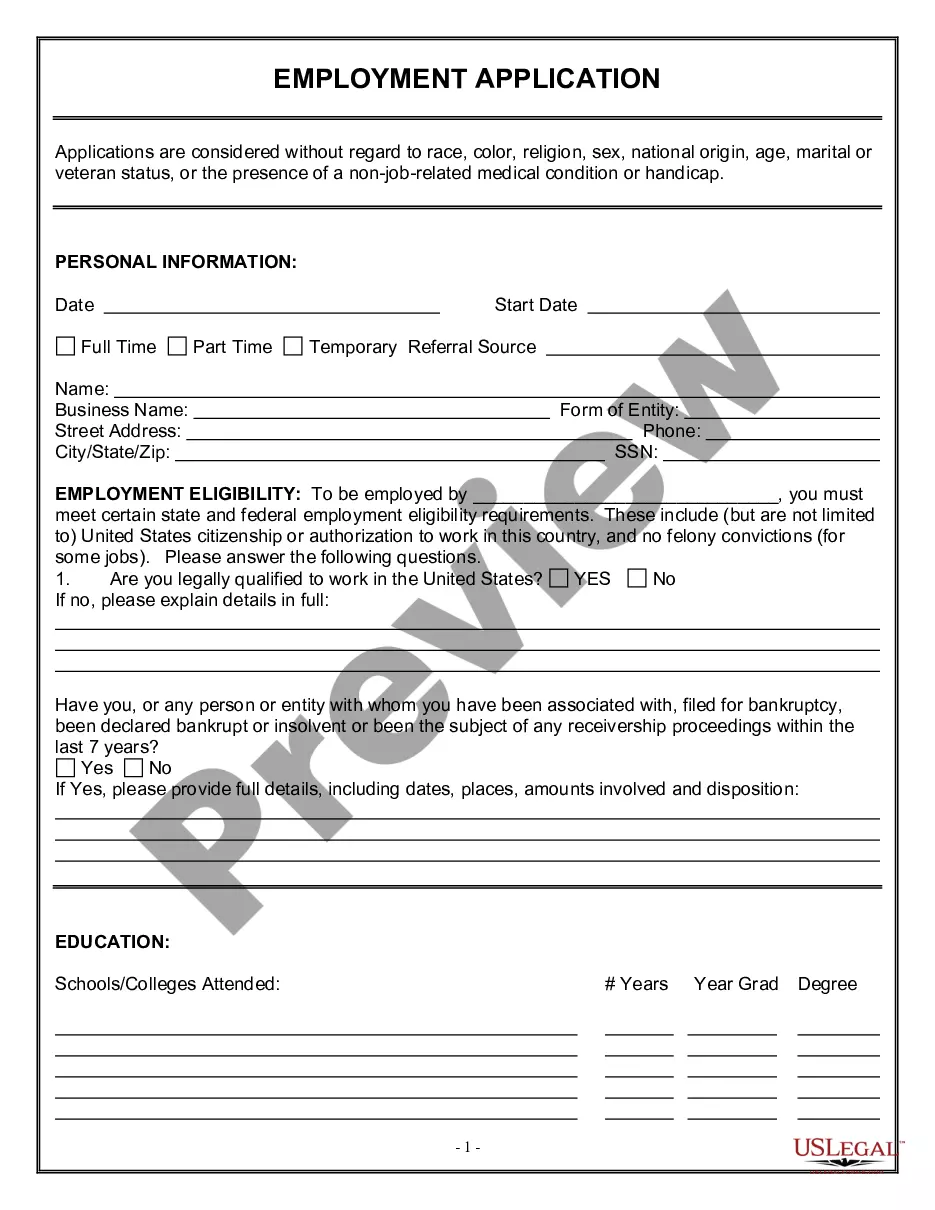

Form popularity
FAQ
To qualify for the general residence homestead exemption, a home must meet the definition of a residence homestead and an individual must have an ownership interest in the property and use the property as the individual's principal residence.
Ohio's Homestead Exemption protects the first $25,000 of your home's value from taxation. For example, if your home is worth $100,000, you will be taxed as if the home were worth $75,000. On average, those who qualify for the exemption save $400 a year.
Determining Urban or Rural Homesteads in Texas Rural homesteads are limited to 200 acres for a family and 100 acres for a single adult, including improvements on the property. An urban homestead is limited to ten acres with improvements, which must be in adjacent lots.
Must not have a total household income over $38,600/year if applying in 2024, or $40,000 if applying in 2025, which includes the Ohio adjusted gross income of the owner and the owner's spouse. Must be age 65 by December 31 of the calendar year for which the exemption is sought.
To qualify for the general residence homestead exemption, a home must meet the definition of a residence homestead and an individual must have an ownership interest in the property and use the property as the individual's principal residence.
This law increased the annual Texas homestead tax exemption from $40,000 to $100,000, starting with January 2023 taxes. While tax savings relief stole the headlines, another law was enacted that may require homeowners to renew their application for their homestead exemptions every five years.
To apply, complete the application form (DTE 105A, Homestead Exemption Application Form for Senior Citizens, Disabled Persons, and Surviving Spouses), then file it with your local county auditor. The form is available on the Department of Taxation's website and is also available from county auditors.
What kind of property tax savings will I receive? In 2024, the Homestead Exemption, which takes the form of a credit on property tax bills, allows qualifying homeowners a reduction that is equal to the taxes that would otherwise be charged on up to $28,000 of the market value of their home.
There are multiple ways to file a Homestead Exemption application Form 50-114, however the online option is the fastest, and details are provided in the transcript below.
Ohio's Homestead Exemption protects the first $25,000 of your home's value from taxation. For example, if your home is worth $100,000, you will be taxed as if the home were worth $75,000. On average, those who qualify for the exemption save $400 a year.
