Waiver Forms For Events In San Antonio
Description





Get your form ready online
Our built-in tools help you complete, sign, share, and store your documents in one place.
Make edits, fill in missing information, and update formatting in US Legal Forms—just like you would in MS Word.
Download a copy, print it, send it by email, or mail it via USPS—whatever works best for your next step.
Sign and collect signatures with our SignNow integration. Send to multiple recipients, set reminders, and more. Go Premium to unlock E-Sign.
If this form requires notarization, complete it online through a secure video call—no need to meet a notary in person or wait for an appointment.
We protect your documents and personal data by following strict security and privacy standards.

Make edits, fill in missing information, and update formatting in US Legal Forms—just like you would in MS Word.

Download a copy, print it, send it by email, or mail it via USPS—whatever works best for your next step.

Sign and collect signatures with our SignNow integration. Send to multiple recipients, set reminders, and more. Go Premium to unlock E-Sign.

If this form requires notarization, complete it online through a secure video call—no need to meet a notary in person or wait for an appointment.

We protect your documents and personal data by following strict security and privacy standards.
Looking for another form?








Form popularity
FAQ
Key Takeaways On How To Write A Waiver Choose a waiver template. Determine the type of activity or service. State the purpose of the waiver. Identify the risks. Include a title. Include customer information. Include waiver terms. Include a statement of understanding.
The UTSA Honors College has a curriculum designed to amplify students' professional and personal development through internships, community-based service learning, cultural exploration abroad and at home, undergraduate research, and skill development.
Honors Alliance is a collaboration amongst all members of Registered Student Organization Honor Societies that provides leadership development, volunteerism, and recognition while promoting academic integrity to the UTSA community.
In a typical year, roughly 2,000 incoming students are awarded the DPS, and on average, about 16% choose to join the Honors College.
To be classified as a graduate from the Honors College, students must have a minimum cumulative UTSA GPA of 3.3 or higher at the time of graduation.
Waivers may not include injuries caused by gross negligence or intentional actions. Some states will not enforce liability waivers that violate public policy or state laws.
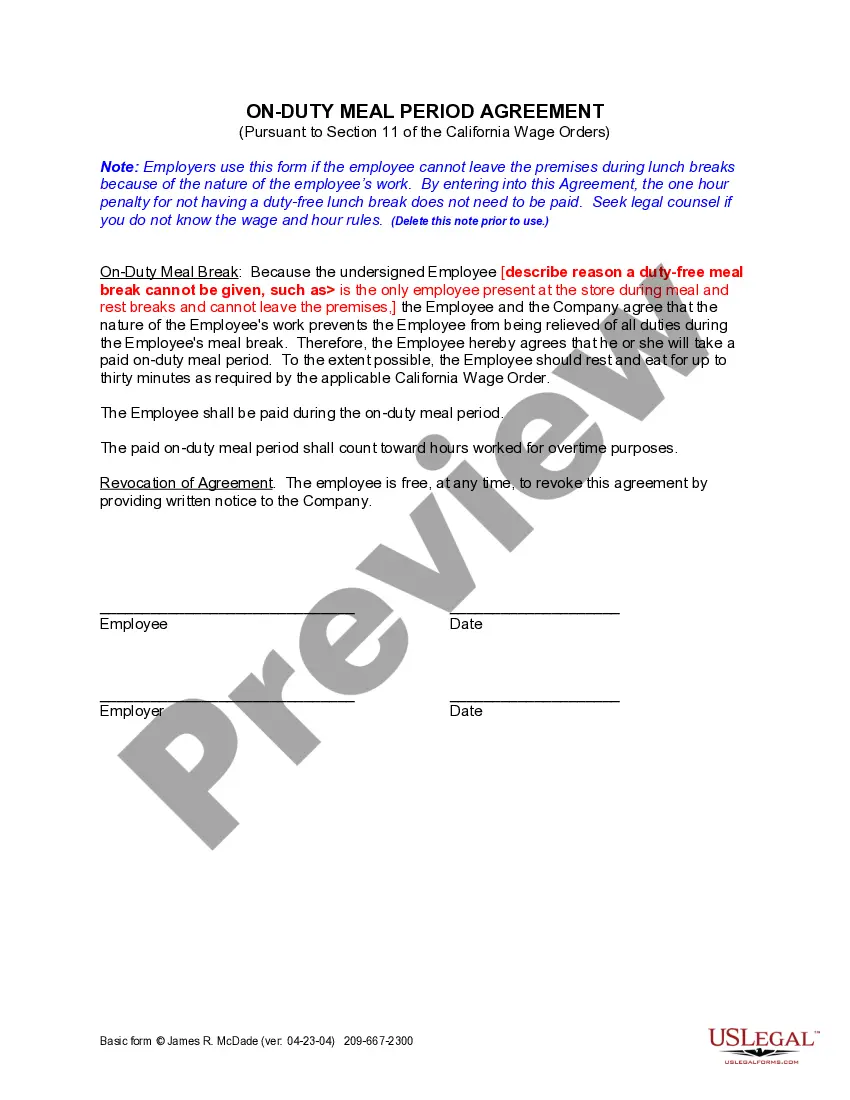
A liability waiver form is a legal contract that educates one party about the risks associated with an activity. Once signed, it prevents the participant from opening a lawsuit against the company in the event of damage or loss, effectively shifting responsibility for injuries from the company to the customer.
It is the company's job to hire workers who will fulfill their roles, treat customers well, and protect the customers' safety. If a worker's egregious or intentional negligence causes you harm, the waiver does not preclude you from filing a lawsuit.
For a waiver to be enforceable, it's important that the party signing it does so voluntarily and with a full understanding of its implications. If a party can demonstrate that they were coerced, misled, or lacked the capacity to understand the waiver, a court may invalidate it.
Liability waivers are enforceable in California to the extent they immunize the defendant from ordinary negligence. Under California law, a liability waiver cannot excuse an injury caused by a defendant's: gross negligence, recklessness, or.

