Homestead Exemption In Georgia In Minnesota
Description





Get your form ready online
Our built-in tools help you complete, sign, share, and store your documents in one place.
Make edits, fill in missing information, and update formatting in US Legal Forms—just like you would in MS Word.
Download a copy, print it, send it by email, or mail it via USPS—whatever works best for your next step.
Sign and collect signatures with our SignNow integration. Send to multiple recipients, set reminders, and more. Go Premium to unlock E-Sign.
If this form requires notarization, complete it online through a secure video call—no need to meet a notary in person or wait for an appointment.
We protect your documents and personal data by following strict security and privacy standards.

Make edits, fill in missing information, and update formatting in US Legal Forms—just like you would in MS Word.

Download a copy, print it, send it by email, or mail it via USPS—whatever works best for your next step.

Sign and collect signatures with our SignNow integration. Send to multiple recipients, set reminders, and more. Go Premium to unlock E-Sign.

If this form requires notarization, complete it online through a secure video call—no need to meet a notary in person or wait for an appointment.

We protect your documents and personal data by following strict security and privacy standards.
Looking for another form?

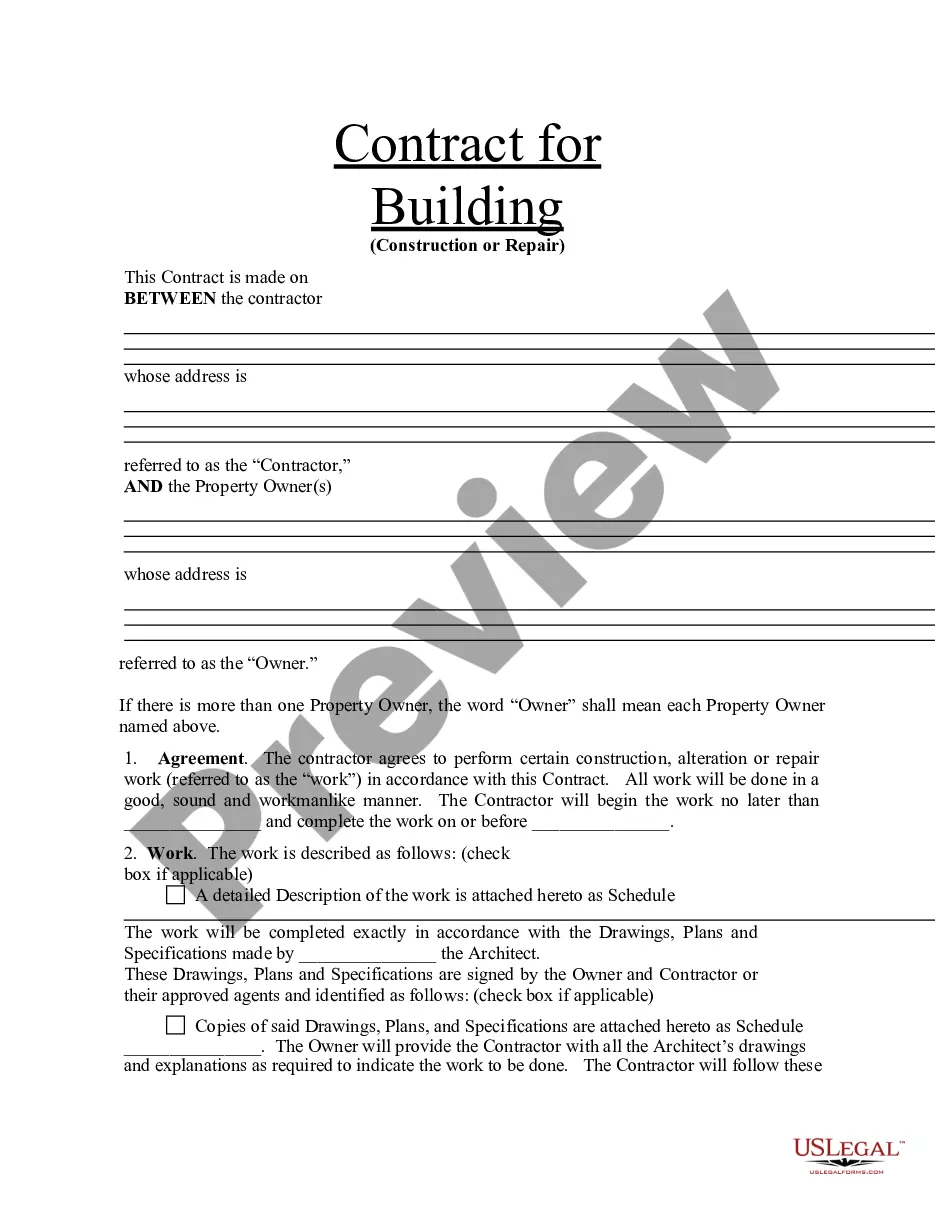
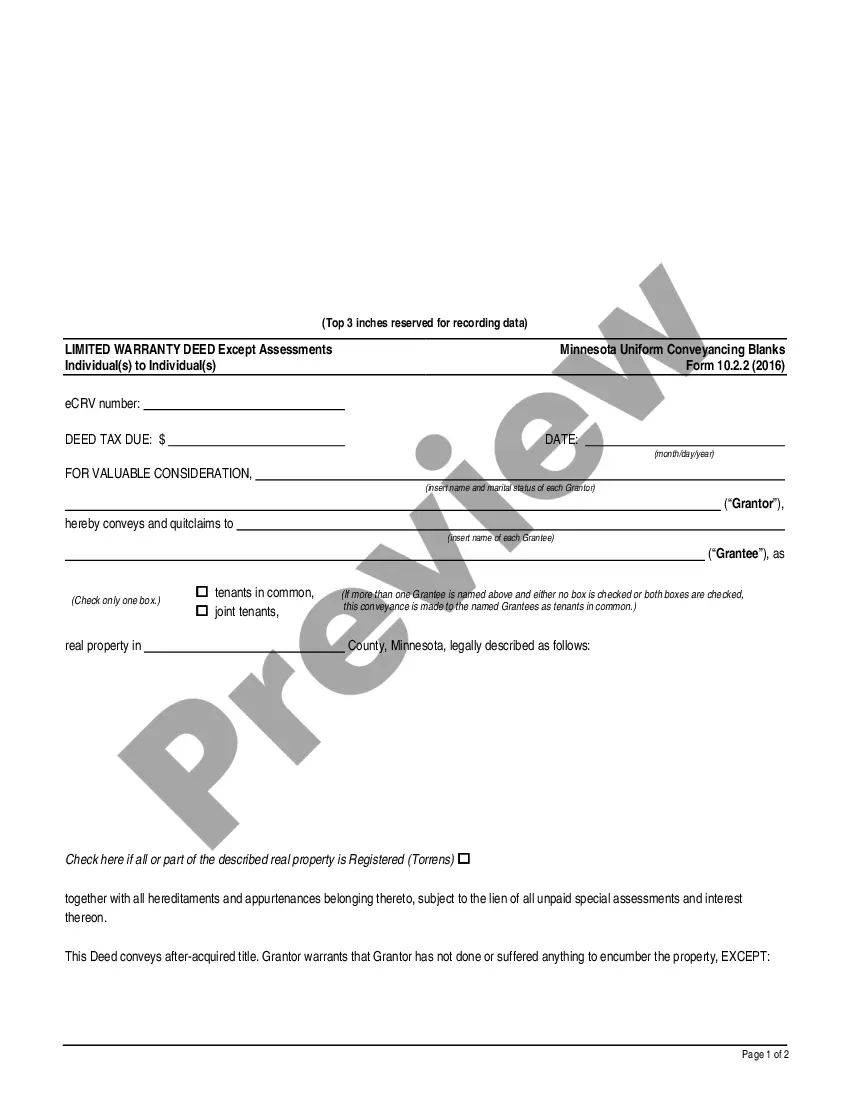
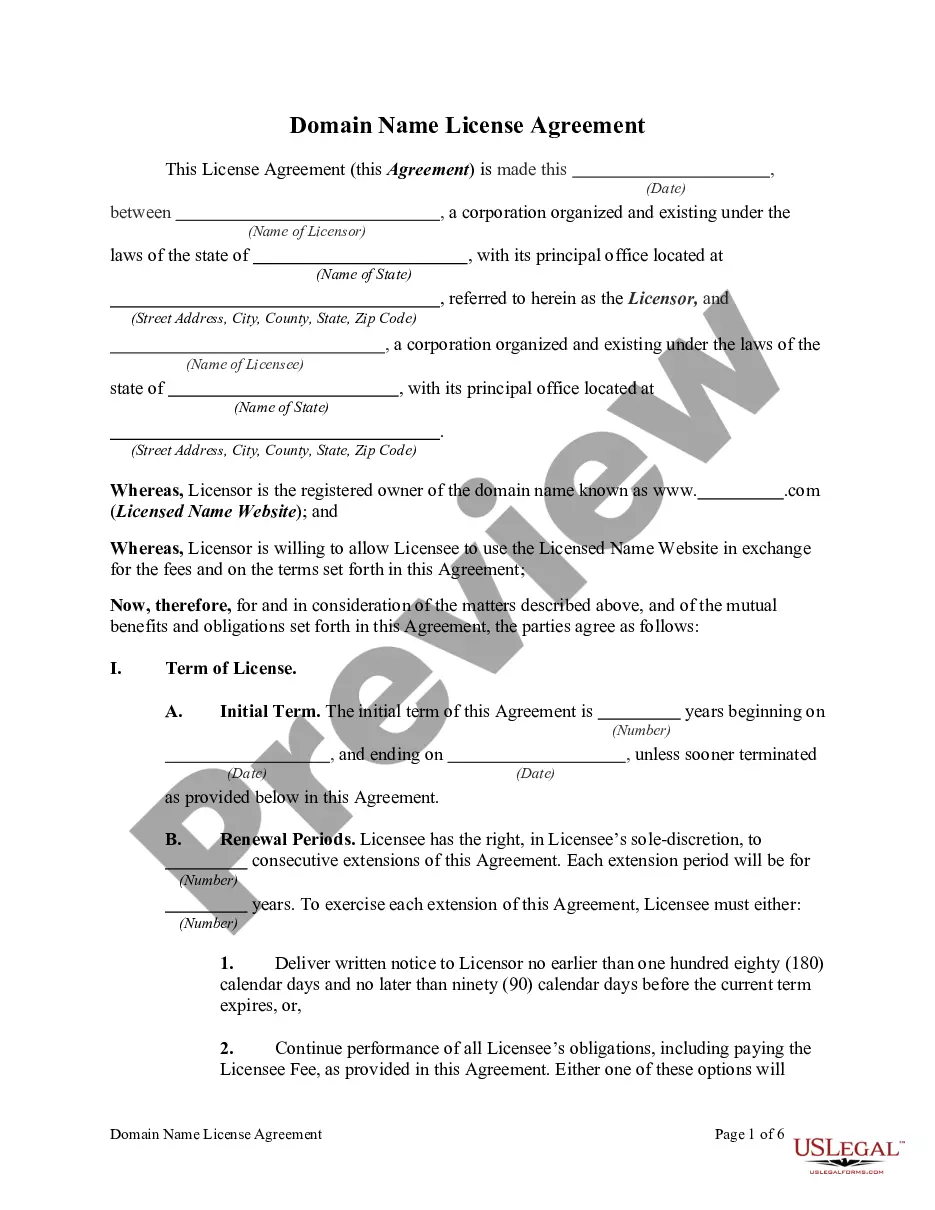
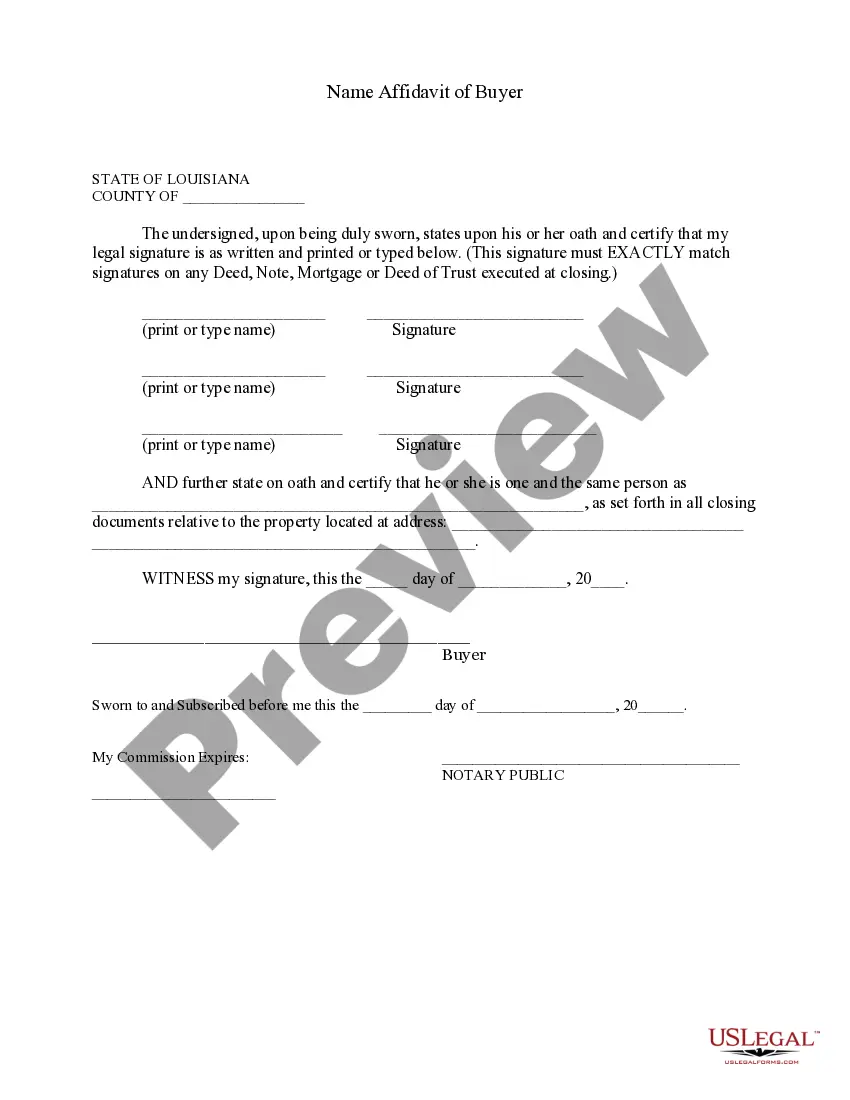

Form popularity
FAQ
Most states have homestead exemptions except New Jersey and Pennsylvania. Some states have other homestead laws such as provisions that protect surviving spouses from creditors.
In order to qualify for a homestead exemption, the applicant's name must appear on the deed to the property and they must own, occupy and claim the property as their legal residence on January 1 to be eligible for any exemption for that tax year.
The State of Minnesota maintains the homestead program for residents who own and occupy their home or have a qualifying relative who occupies the home called the Homestead Market Value Exclusion.
You must be 65 years old or older. You must be living in the home to which the exemption applies on January 1 of the year for which the exemption applies. Your net income, or the combined net income of you and your spouse must not be greater than $10,000 for the preceding year.
Technically it's not possible to do that, because you must claim the homestead exemption in the state that is your permananent residence, and you can only have one state as permanent residence since you must spend more than 180 days in that place.
Gather What You'll Need Homeowner's name. Property address. Property's parcel ID. Proof of residency, such as a copy of valid Georgia driver's license and a copy of vehicle registration. Recorded deed for new owners, if county records have not been updated. Trust document and affidavit, if the property is in a trust.
For homesteads valued at $95,000 or less, the exclusion is 40% of the market value, creating a maximum exclusion of $38,000. The exclusion is reduced as property values increase and phases out for homesteads valued at $517,200 or more.
To qualify for homestead: You must own the property, or be a relative or in-law of the owner (son, daughter, parent, grandchild, grandparent, brother, sister, aunt, uncle, niece or nephew). You or your relative must occupy the property as the primary place of residence. You must be a Minnesota resident.
In order to qualify for a homestead exemption, the applicant's name must appear on the deed to the property and they must own, occupy and claim the property as their legal residence on January 1 to be eligible for any exemption for that tax year.
