Homestead Act Former Slaves In Hennepin
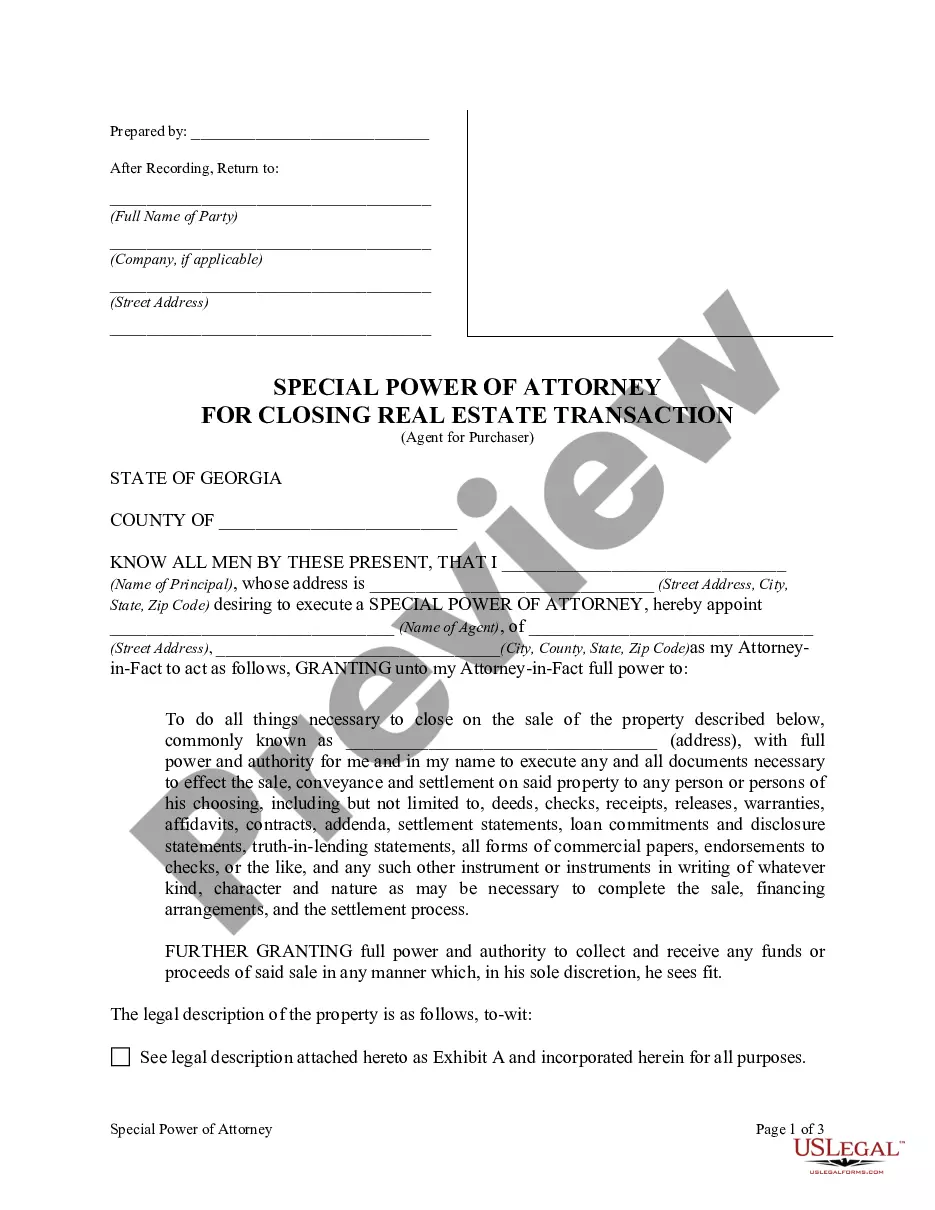
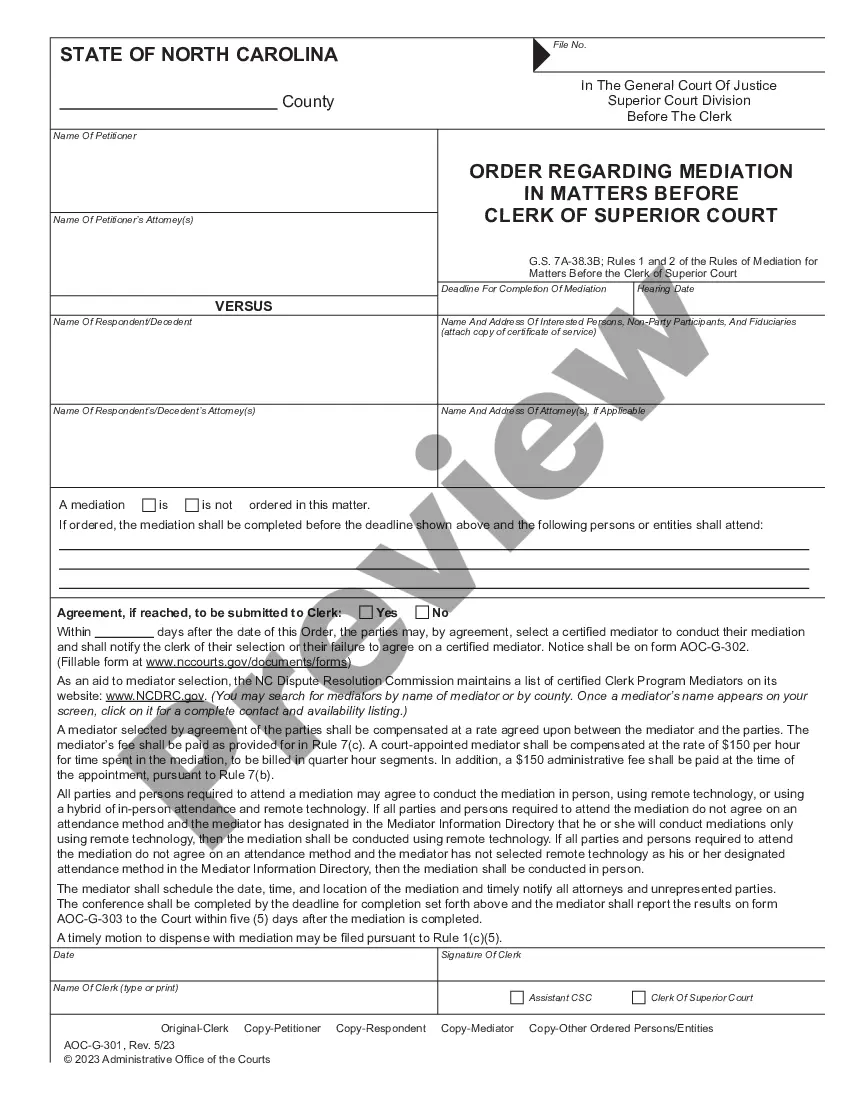
Description





Get your form ready online
Our built-in tools help you complete, sign, share, and store your documents in one place.
Make edits, fill in missing information, and update formatting in US Legal Forms—just like you would in MS Word.
Download a copy, print it, send it by email, or mail it via USPS—whatever works best for your next step.
Sign and collect signatures with our SignNow integration. Send to multiple recipients, set reminders, and more. Go Premium to unlock E-Sign.
If this form requires notarization, complete it online through a secure video call—no need to meet a notary in person or wait for an appointment.
We protect your documents and personal data by following strict security and privacy standards.

Make edits, fill in missing information, and update formatting in US Legal Forms—just like you would in MS Word.

Download a copy, print it, send it by email, or mail it via USPS—whatever works best for your next step.

Sign and collect signatures with our SignNow integration. Send to multiple recipients, set reminders, and more. Go Premium to unlock E-Sign.

If this form requires notarization, complete it online through a secure video call—no need to meet a notary in person or wait for an appointment.

We protect your documents and personal data by following strict security and privacy standards.
Looking for another form?








Form popularity
FAQ
Requirements of the Homestead Act Land titles could also be purchased from the government for $1.25 per acre following six months of proven residency. Additional requirements included five years of continuous residence on the land, building a home on it, farming the land and making improvements.
So finally, in 1862, the Homestead Act was passed and signed into law. The new law established a three-fold homestead acquisition process: file an application, improve the land, and file for deed of title.
For homesteads valued at $95,000 or less, the exclusion is 40% of the market value, creating a maximum exclusion of $38,000. The exclusion is reduced as property values increase and phases out for homesteads valued at $517,200 or more.
Thousands of African-Americans made their way to Kansas and other Western states after Reconstruction. The Homestead Act and other liberal land laws offered blacks (in theory) the opportunity to escape the racism and oppression of the post-war South and become owners of their own tracts of private farmland.
The Homestead Act, enacted during the Civil War in 1862, provided that any adult citizen, or intended citizen, who had never borne arms against the U.S. government could claim 160 acres of surveyed government land. Claimants were required to live on and “improve” their plot by cultivating the land.
To qualify for a homestead, you must: Own a property. Occupy the property as your sole or primary residence. Be a Minnesota resident.
