Waiver Forms For Events In Broward
Description





Get your form ready online
Our built-in tools help you complete, sign, share, and store your documents in one place.
Make edits, fill in missing information, and update formatting in US Legal Forms—just like you would in MS Word.
Download a copy, print it, send it by email, or mail it via USPS—whatever works best for your next step.
Sign and collect signatures with our SignNow integration. Send to multiple recipients, set reminders, and more. Go Premium to unlock E-Sign.
If this form requires notarization, complete it online through a secure video call—no need to meet a notary in person or wait for an appointment.
We protect your documents and personal data by following strict security and privacy standards.

Make edits, fill in missing information, and update formatting in US Legal Forms—just like you would in MS Word.

Download a copy, print it, send it by email, or mail it via USPS—whatever works best for your next step.

Sign and collect signatures with our SignNow integration. Send to multiple recipients, set reminders, and more. Go Premium to unlock E-Sign.

If this form requires notarization, complete it online through a secure video call—no need to meet a notary in person or wait for an appointment.

We protect your documents and personal data by following strict security and privacy standards.
Looking for another form?






Form popularity
FAQ
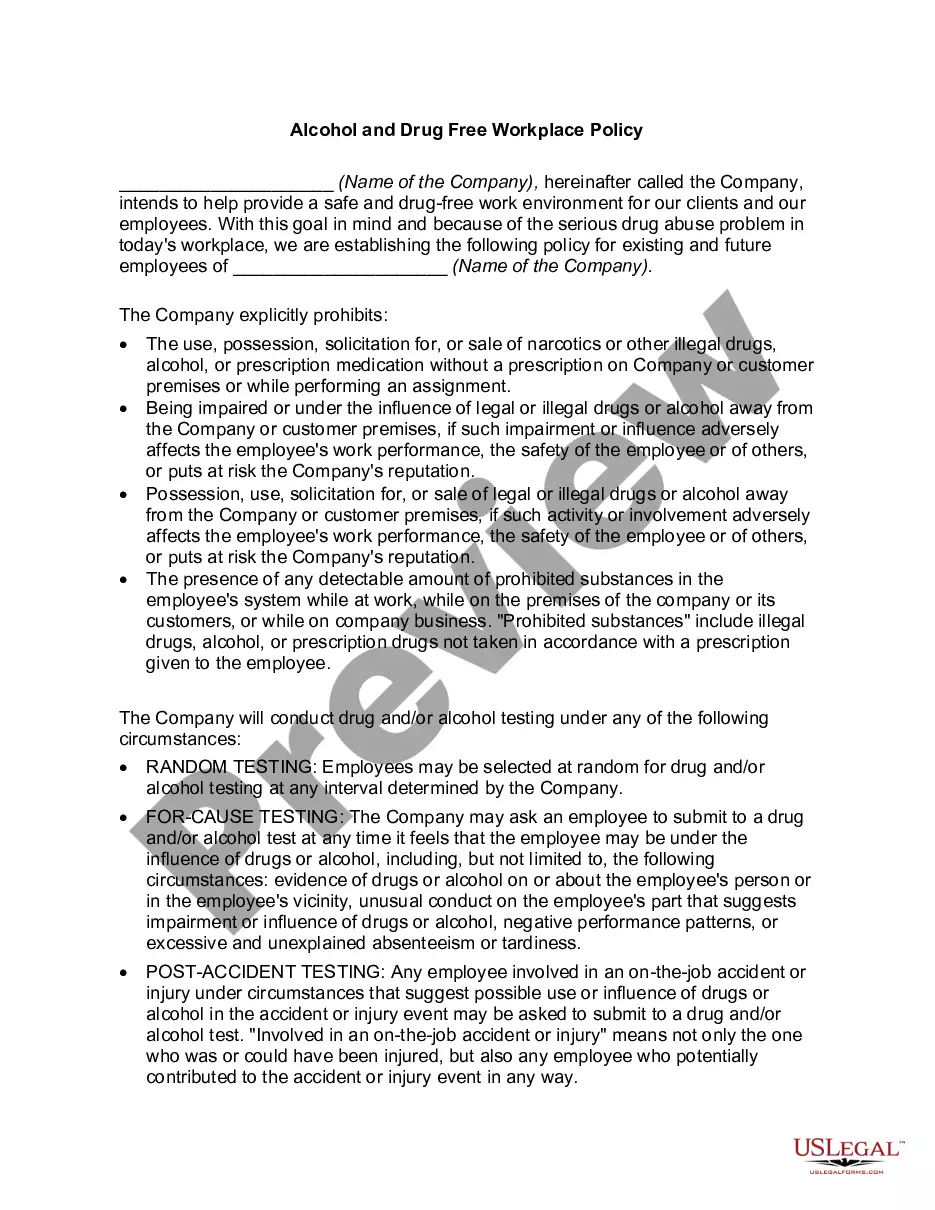
WHAT ARE WAIVERS AND RELEASES? Waivers and/or releases of liability (“releases”) are legal agreements designed to transfer responsibility for injuries and property damage from one party to another.
What is a waiver? A waiver is a legally binding agreement, frequently leveraged as a risk transfer tool for events. A person signs a waiver, which educates on the event risks. By signing the waiver, the participant acknowledges those risks.
A release of liability (commonly referred to as a liability waiver or an exculpatory agreement) governed by Florida law given or signed by a prospective participant in a potentially dangerous activity in favor of the company providing access to the activity.
To build a waiver of liability: Choose a waiver template. Determine the type of activity or service. State the purpose of the waiver. Identify the risks. Include a title. Include customer information. Include waiver terms. Include a statement of understanding.
Local laws about waivers can vary, and they should shape the language you use in your waiver. It's best to work with a lawyer who is an expert in writing and executing waivers to avoid costly legal issues down the line.

