Letter Instruction Sample Formal In Queens
Description

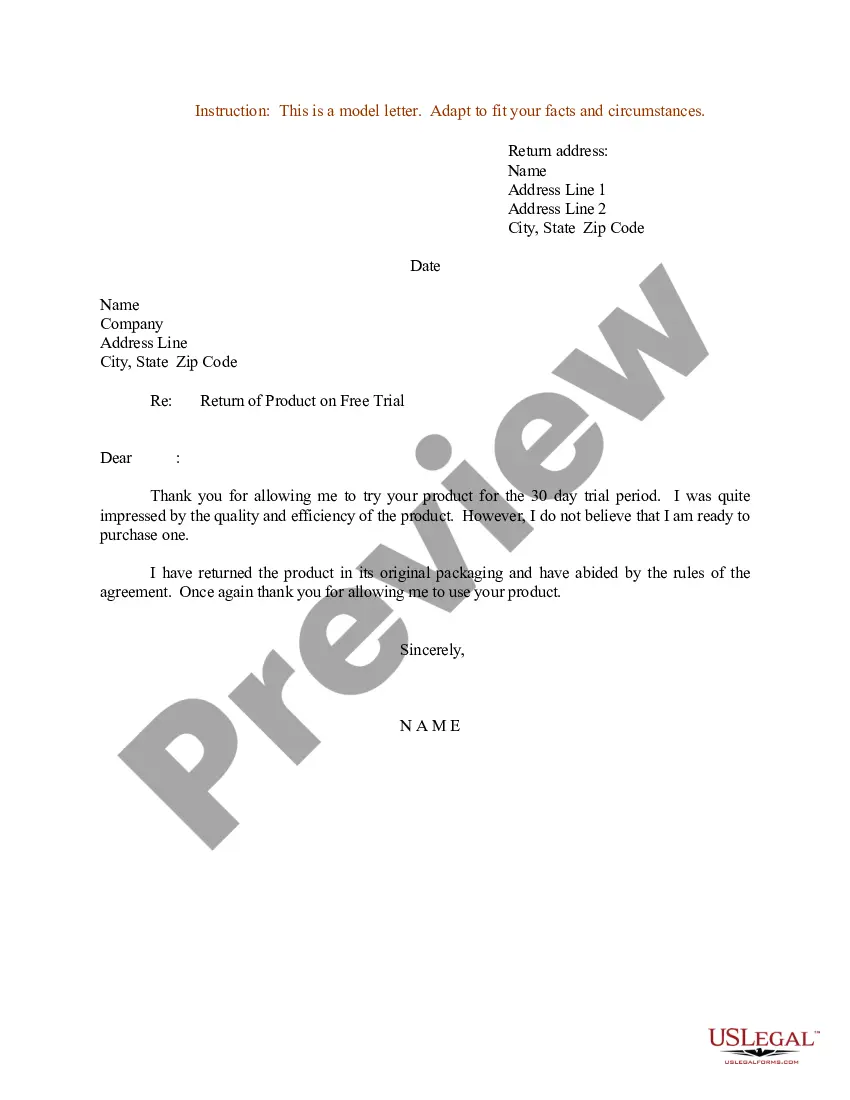
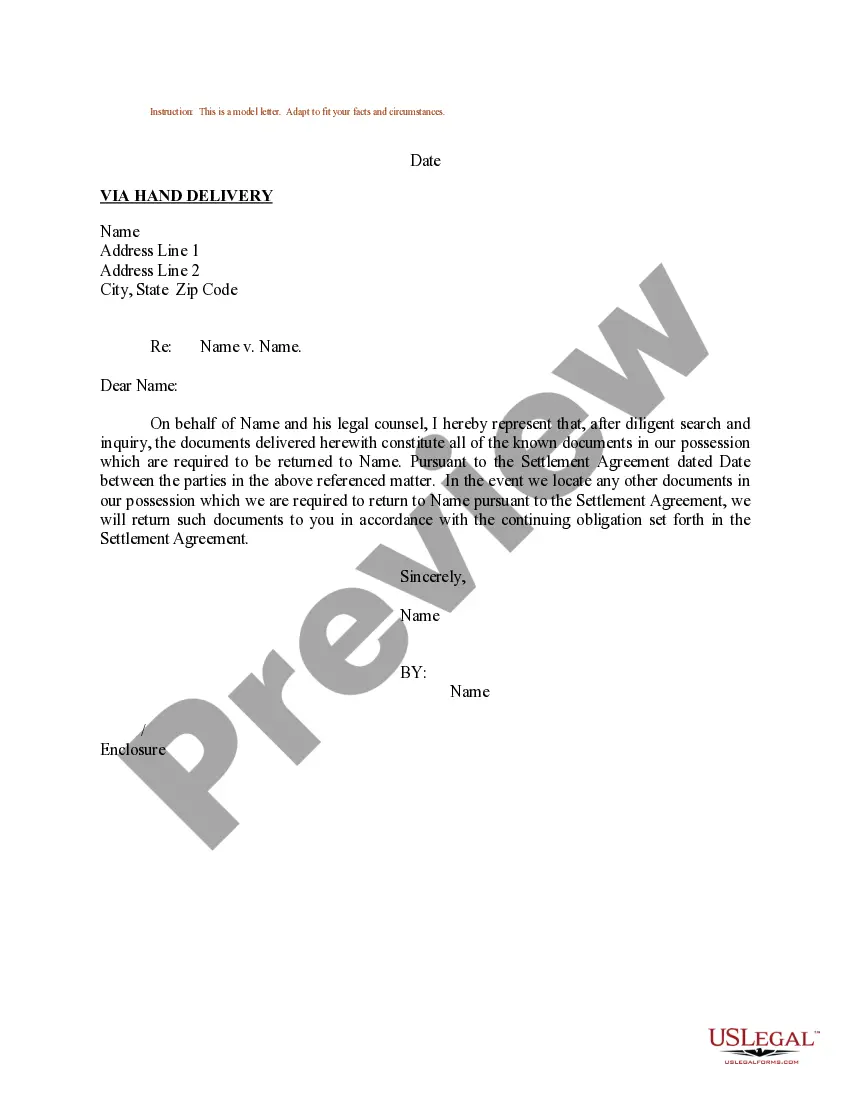
Get your form ready online
Our built-in tools help you complete, sign, share, and store your documents in one place.
Make edits, fill in missing information, and update formatting in US Legal Forms—just like you would in MS Word.
Download a copy, print it, send it by email, or mail it via USPS—whatever works best for your next step.
Sign and collect signatures with our SignNow integration. Send to multiple recipients, set reminders, and more. Go Premium to unlock E-Sign.
If this form requires notarization, complete it online through a secure video call—no need to meet a notary in person or wait for an appointment.
We protect your documents and personal data by following strict security and privacy standards.

Make edits, fill in missing information, and update formatting in US Legal Forms—just like you would in MS Word.

Download a copy, print it, send it by email, or mail it via USPS—whatever works best for your next step.

Sign and collect signatures with our SignNow integration. Send to multiple recipients, set reminders, and more. Go Premium to unlock E-Sign.

If this form requires notarization, complete it online through a secure video call—no need to meet a notary in person or wait for an appointment.

We protect your documents and personal data by following strict security and privacy standards.
Looking for another form?

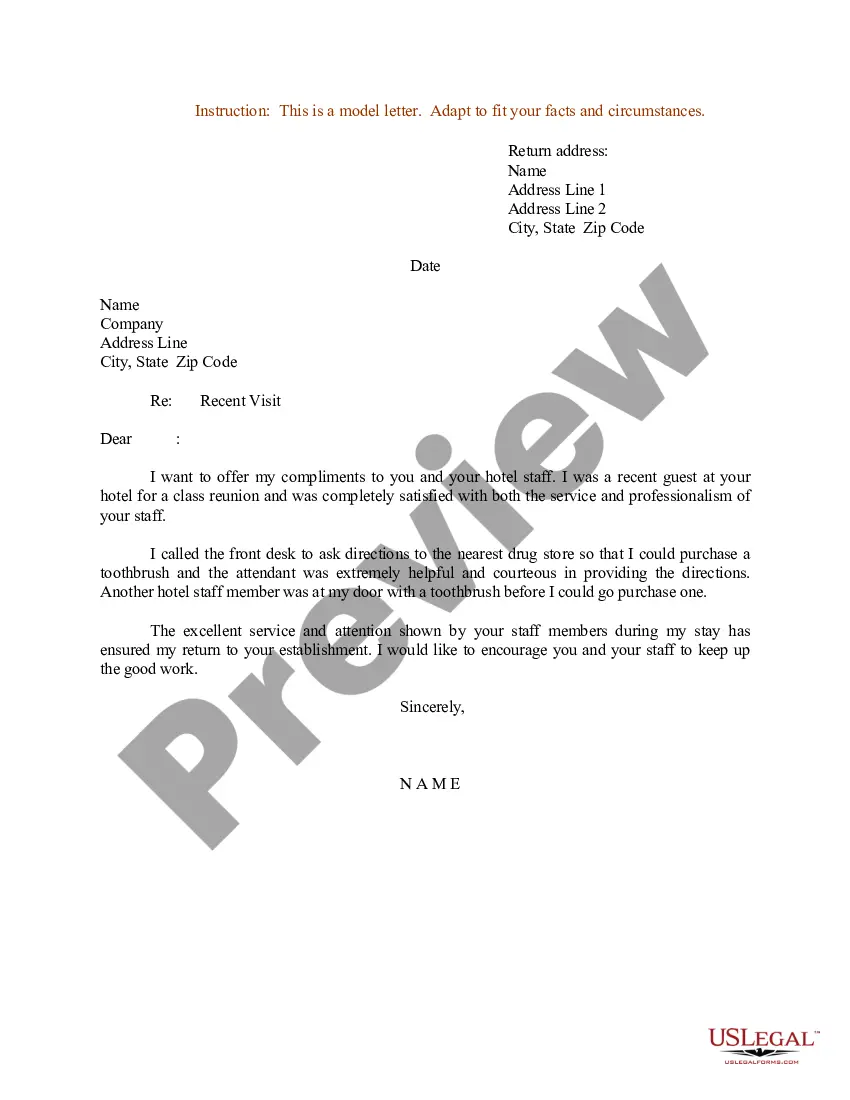




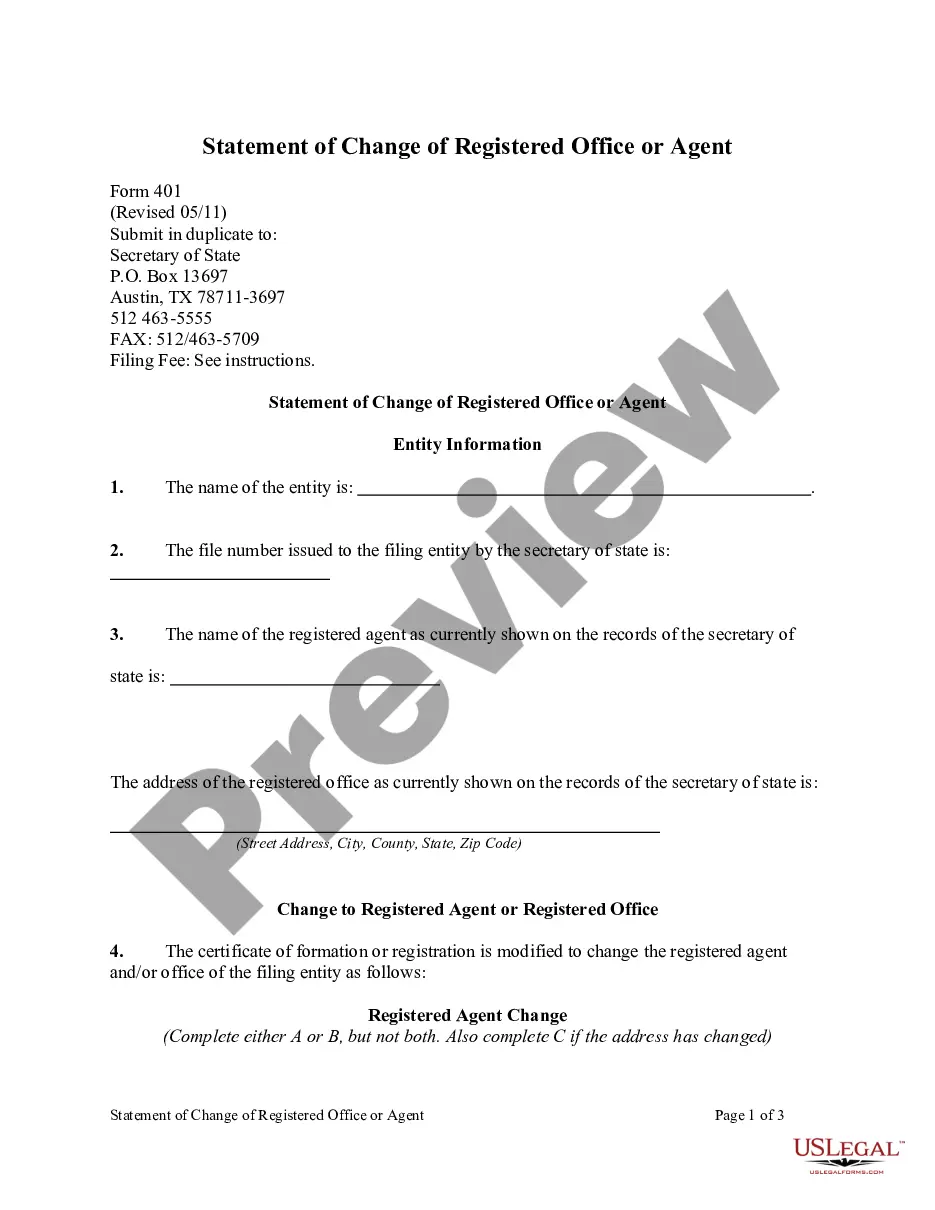



Form popularity
FAQ
Welcome to the Purdue OWL Sender's Address. The sender's address usually is included in letterhead. Date. The date line is used to indicate the date the letter was written. Inside Address. The inside address is the recipient's address. Salutation. Body. Closing. Enclosures. Typist initials.
7 steps to clear work instructions Step 1: Write a clear title. What's in an introduction? ... Step 2: Describe the purpose of the task – the why. Step 3: Describe how to do the work. Step 4: Format for easy reading. Step 5: Rewrite and simplify. Step 6: Add references. Step 7: Test with a colleague!
Here are six steps to write a letter of instruction: Create a header. Before you write the content of the letter, create a header at the top left-hand corner of the document. Address the reader. Explain the project or task. List each step. Conclude your letter. Revise the document.
A letter of instruction is a non-binding document that explains your personal preferences and last wishes in plain language. While the letter itself doesn't have any legal authority, it accompanies and explains the documents that do, including your power of attorney, will, and trust paperwork.
