Letter Instruction Sample For Immigration In Philadelphia
Description

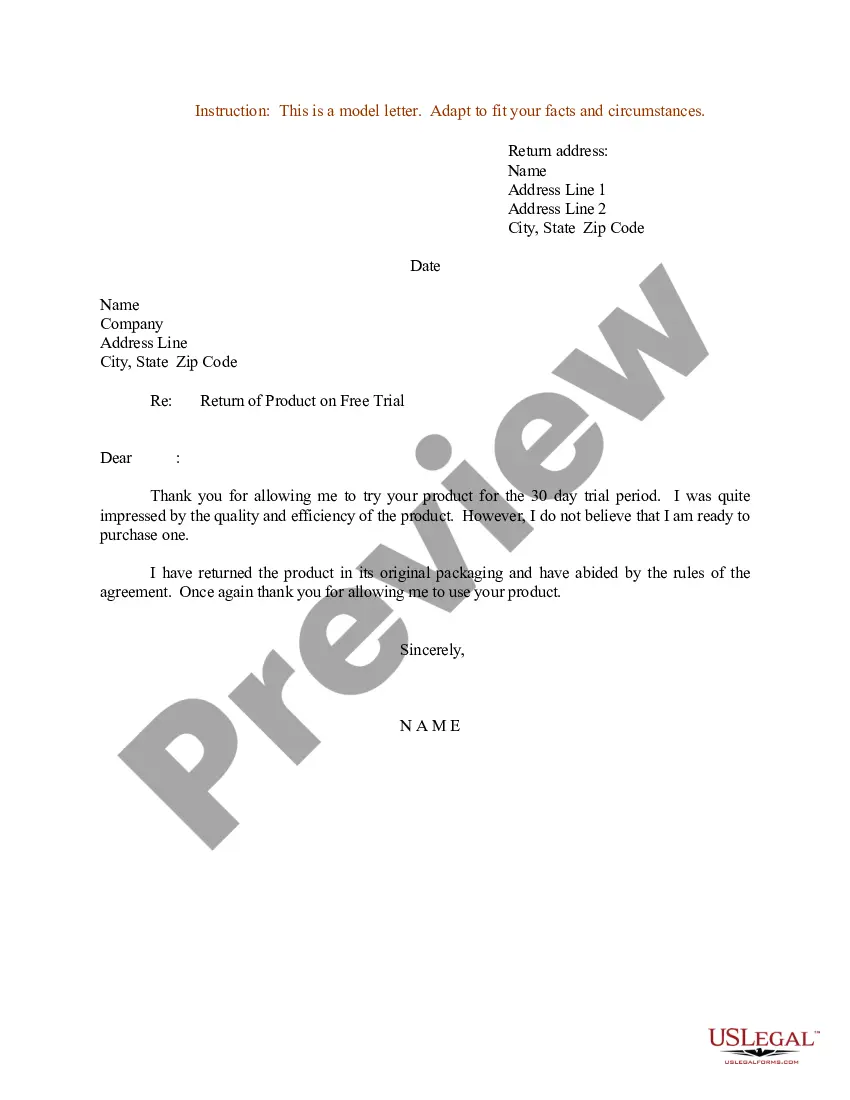
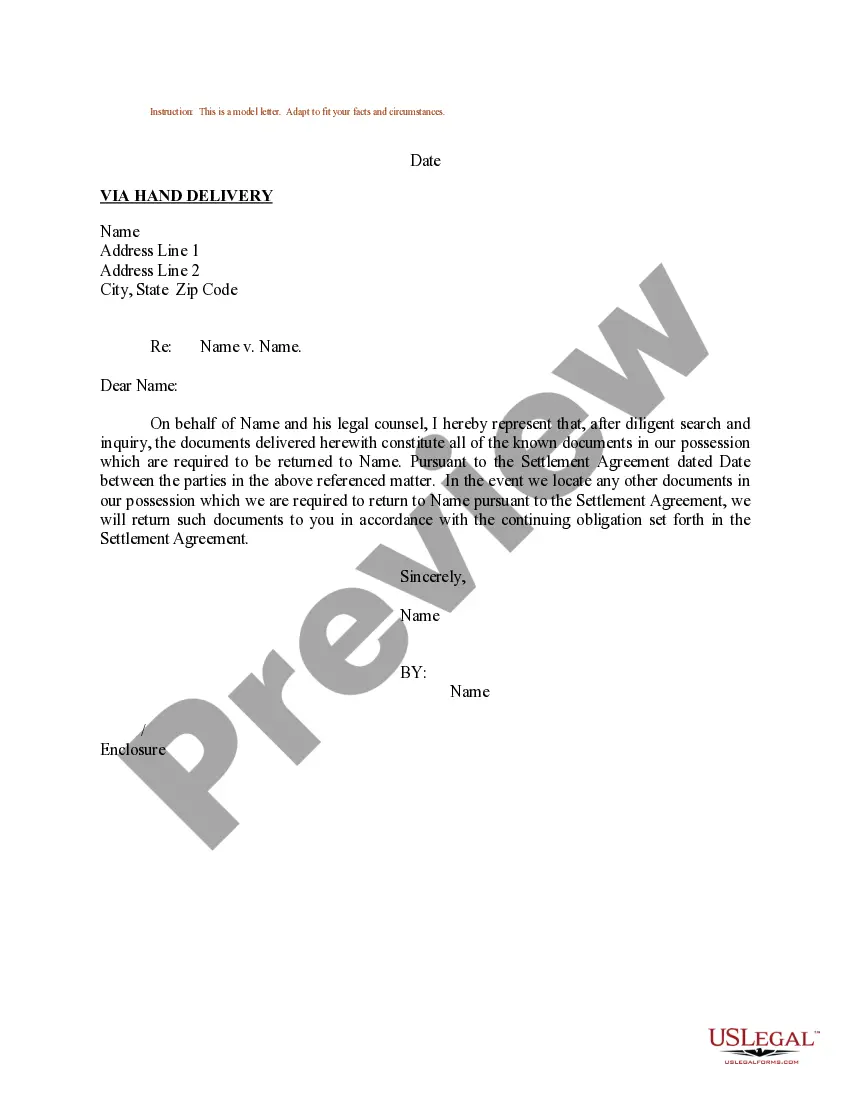
Get your form ready online
Our built-in tools help you complete, sign, share, and store your documents in one place.
Make edits, fill in missing information, and update formatting in US Legal Forms—just like you would in MS Word.
Download a copy, print it, send it by email, or mail it via USPS—whatever works best for your next step.
Sign and collect signatures with our SignNow integration. Send to multiple recipients, set reminders, and more. Go Premium to unlock E-Sign.
If this form requires notarization, complete it online through a secure video call—no need to meet a notary in person or wait for an appointment.
We protect your documents and personal data by following strict security and privacy standards.

Make edits, fill in missing information, and update formatting in US Legal Forms—just like you would in MS Word.

Download a copy, print it, send it by email, or mail it via USPS—whatever works best for your next step.

Sign and collect signatures with our SignNow integration. Send to multiple recipients, set reminders, and more. Go Premium to unlock E-Sign.

If this form requires notarization, complete it online through a secure video call—no need to meet a notary in person or wait for an appointment.

We protect your documents and personal data by following strict security and privacy standards.
Looking for another form?









Form popularity
FAQ
A letter of invitation for a B-1/B-2 travel visa should include the following information: Name and contact information for the host. Host's immigration status (for example, “U.S. citizen”) Relationship between the host and the visa applicant. Visa applicant's full name and address. Purpose of the trip.
Your letter should be addressed to the USCIS office that is responsible for your case. You can find the address on the USCIS website or by contacting the USCIS national customer service center. You should also include a clear and professional salutation, such as “Dear USCIS Officer” or “To Whom It May Concern.”
Sample Invitation Template I am inviting my mother, brother, aunt, friend, etc., full name of the person you are inviting to visit me in the United States for the purpose of reason for their visit – e.g. “my graduation ceremony on May 25th, 20XX,” “to celebrate my 20th birthday on January 2, 20XX,” etc..
A good Letter of Explanation (LoE) for a study permit application should be clear and concise and provide relevant information to support the applicant's case. It should have an introduction, a main body, and a closing. Use a formal tone and maintain appropriate formatting throughout the letter.
The letter should be formatted professionally, as it will be submitted to an official immigration authority. Include: Your contact information (name, address, phone number, email). Date of writing. Recipient information, such as the immigration officer or relevant authority (if known).
What should the letter say? Name and contact information for the host. Host's immigration status (for example, “U.S. citizen”) Relationship between the host and the visa applicant. Visa applicant's full name and address. Purpose of the trip. Exact dates of the trip. Host's signature.
Families, relatives and friends who plan to visit you in the U.S. will most likely need to apply for a tourist visa (B1/B2 visa). There are no specific documents, e.g. Form I-20 or DS-2019, with which to apply for a B1/B2 visa. However, there are some guidelines on what a consular official expects of applicants.
Guidelines for writing invitations: State the occasion, date, time, and place. Include addresses and a map if necessary. Mention if refreshments will be served. List any charges that may apply.
