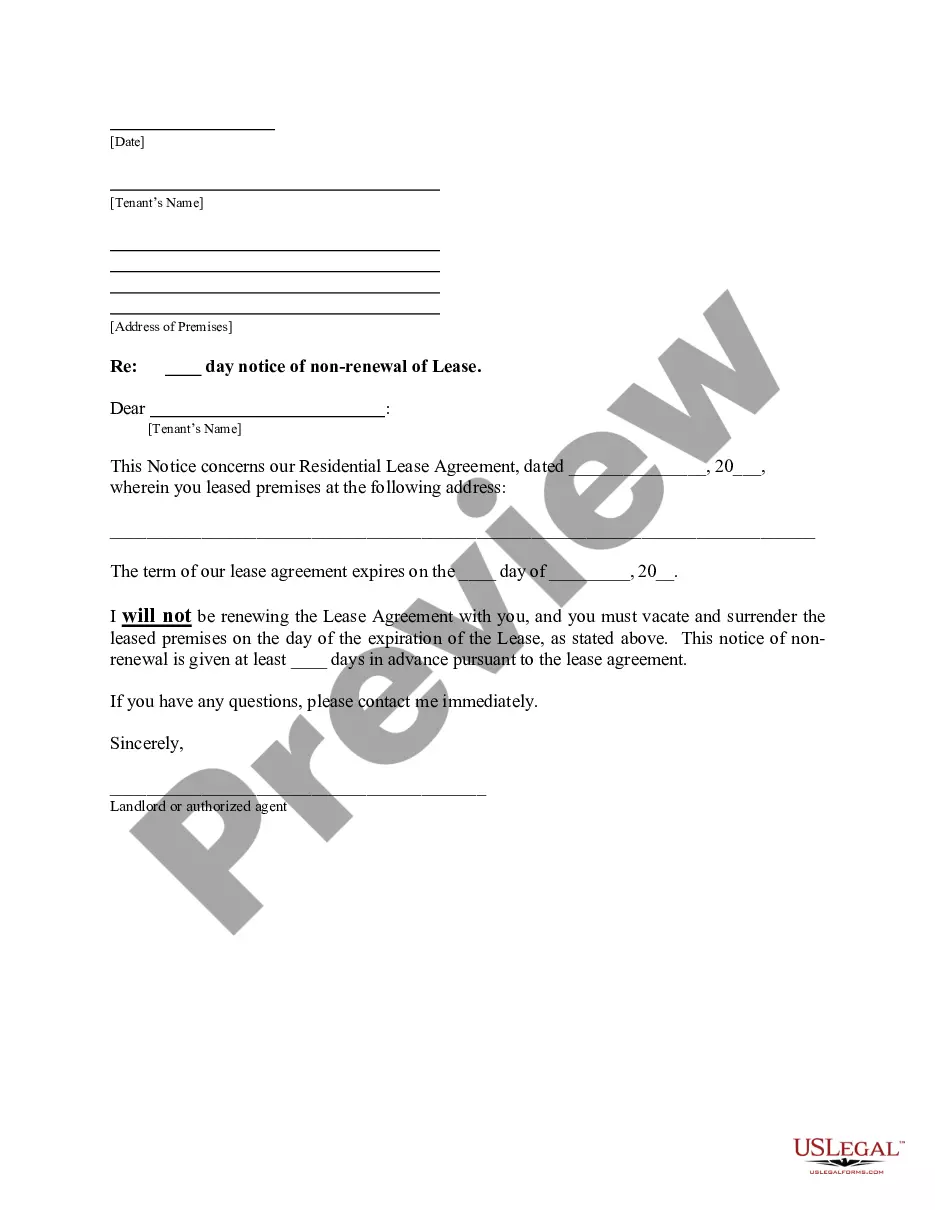
Letter Instruction Sample For Immigration In Michigan
Description

Get your form ready online
Our built-in tools help you complete, sign, share, and store your documents in one place.
Make edits, fill in missing information, and update formatting in US Legal Forms—just like you would in MS Word.
Download a copy, print it, send it by email, or mail it via USPS—whatever works best for your next step.
Sign and collect signatures with our SignNow integration. Send to multiple recipients, set reminders, and more. Go Premium to unlock E-Sign.
If this form requires notarization, complete it online through a secure video call—no need to meet a notary in person or wait for an appointment.
We protect your documents and personal data by following strict security and privacy standards.

Make edits, fill in missing information, and update formatting in US Legal Forms—just like you would in MS Word.

Download a copy, print it, send it by email, or mail it via USPS—whatever works best for your next step.

Sign and collect signatures with our SignNow integration. Send to multiple recipients, set reminders, and more. Go Premium to unlock E-Sign.

If this form requires notarization, complete it online through a secure video call—no need to meet a notary in person or wait for an appointment.

We protect your documents and personal data by following strict security and privacy standards.
Looking for another form?








Form popularity
FAQ
Include enough information about the applicant's life to tell their story completely. While the focus of the declaration should be on the harm and fear of harm the applicant faces, the declaration should also include enough information about the applicant's life to tell their story completely.
Introduce yourself and provide your own citizenship/immigration status. Establish your relationship with the applicant. Describe the applicant's personality traits with supporting examples. Write in a narrative format to support the purpose of the letter.
Start with an introduction that clearly states your purpose and why you're writing the letter. In the middle section, provide a detailed explanation of your request or concern. Use supporting evidence to make your case as strong as possible. Finally, end your letter with a polite but firm request for action.
For a friend or relative, your letter should showcase their character, achievements, and contributions in a personal and supportive way. Describe your relationship with them, provide specific examples of their strengths and accomplishments, and explain why they are deserving of the immigration benefit they are seeking.
Provide specific examples of the applicant's good qualities and moral conduct. These examples could be about work accomplishments, volunteer activities, community service, or any other positive qualities.
Writing a Powerful Immigration Recommendation Letter: 7 Key Steps to Success Understand the Purpose of the Letter. Clarify Your Relationship with the Applicant. Highlight the Applicant's Skills and Contributions. Focus on Character and Integrity. Discuss the Applicant's Impact on the Community. Be Honest and Balanced.
An immigration support letter should include the writer's identification details for credibility, the nature of their relationship with the applicant, and personal experiences that spotlight the applicant's character. Emphasizing the applicant's contributions while maintaining authenticity enhances the letter's effect.
Every I-751 affidavit should cover these basic points: Full name and address of affiant. Date and place of birth. Relationship to the conditional resident and spouse. An account of your relationship explaining: Details explaining how the person acquired this knowledge (i.e. friends) Date and signature.