Letter Instruction Sample With Greetings In Houston
Description

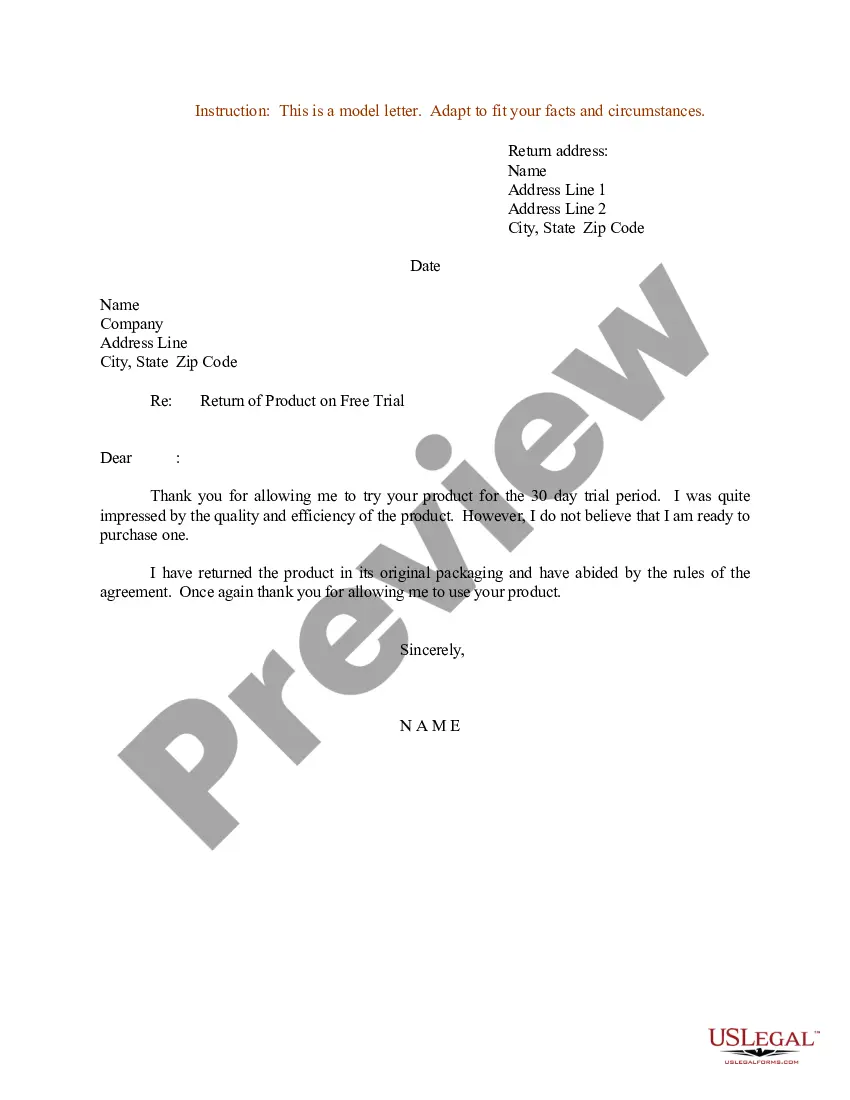
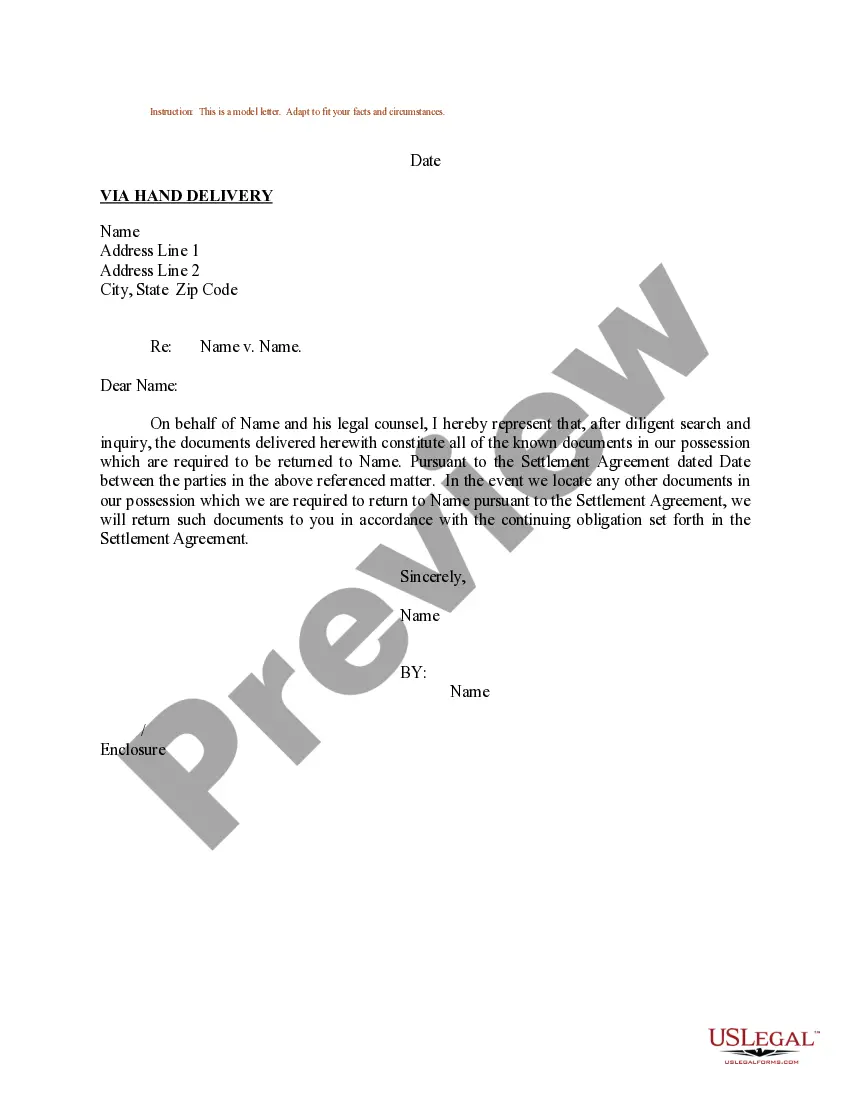
Get your form ready online
Our built-in tools help you complete, sign, share, and store your documents in one place.
Make edits, fill in missing information, and update formatting in US Legal Forms—just like you would in MS Word.
Download a copy, print it, send it by email, or mail it via USPS—whatever works best for your next step.
Sign and collect signatures with our SignNow integration. Send to multiple recipients, set reminders, and more. Go Premium to unlock E-Sign.
If this form requires notarization, complete it online through a secure video call—no need to meet a notary in person or wait for an appointment.
We protect your documents and personal data by following strict security and privacy standards.

Make edits, fill in missing information, and update formatting in US Legal Forms—just like you would in MS Word.

Download a copy, print it, send it by email, or mail it via USPS—whatever works best for your next step.

Sign and collect signatures with our SignNow integration. Send to multiple recipients, set reminders, and more. Go Premium to unlock E-Sign.

If this form requires notarization, complete it online through a secure video call—no need to meet a notary in person or wait for an appointment.

We protect your documents and personal data by following strict security and privacy standards.
Looking for another form?




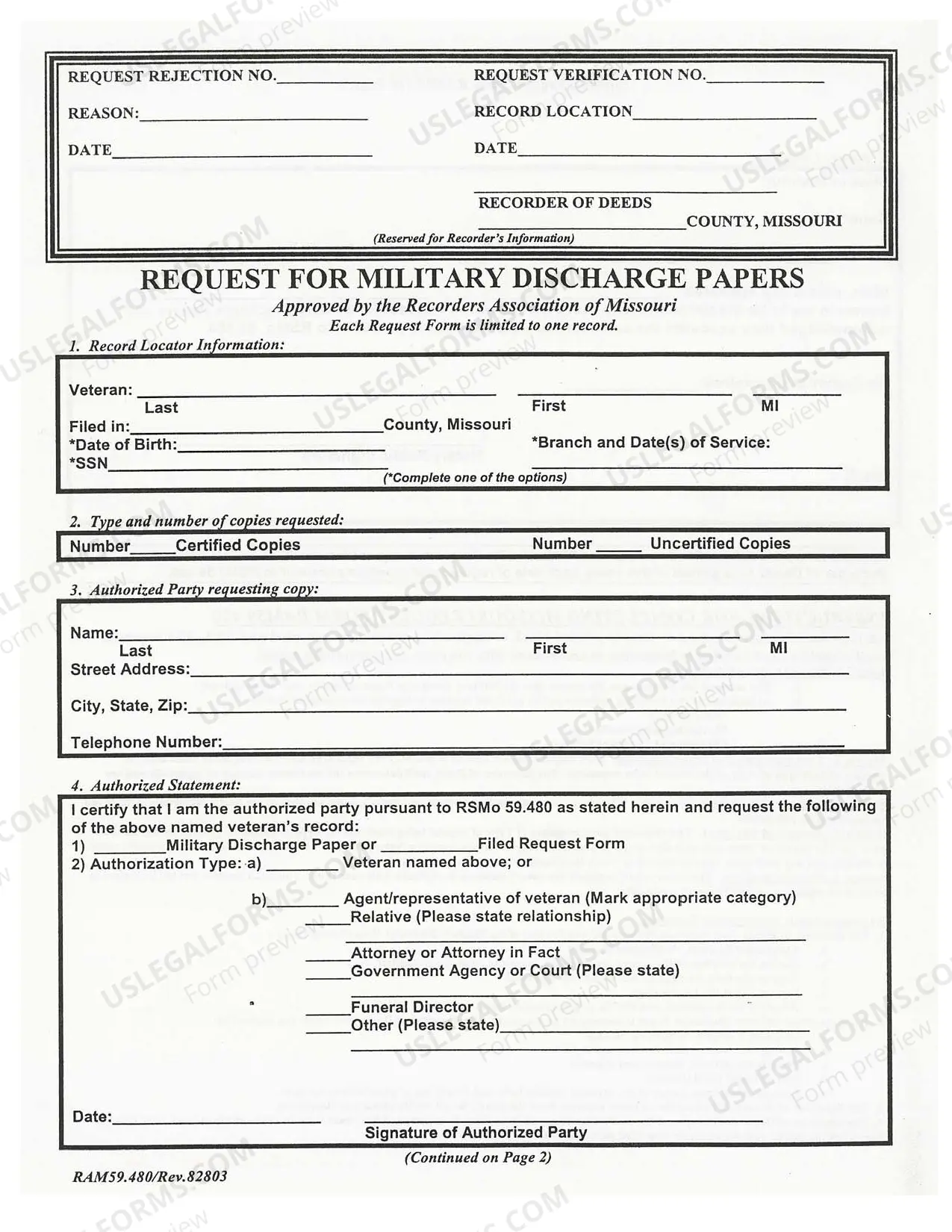

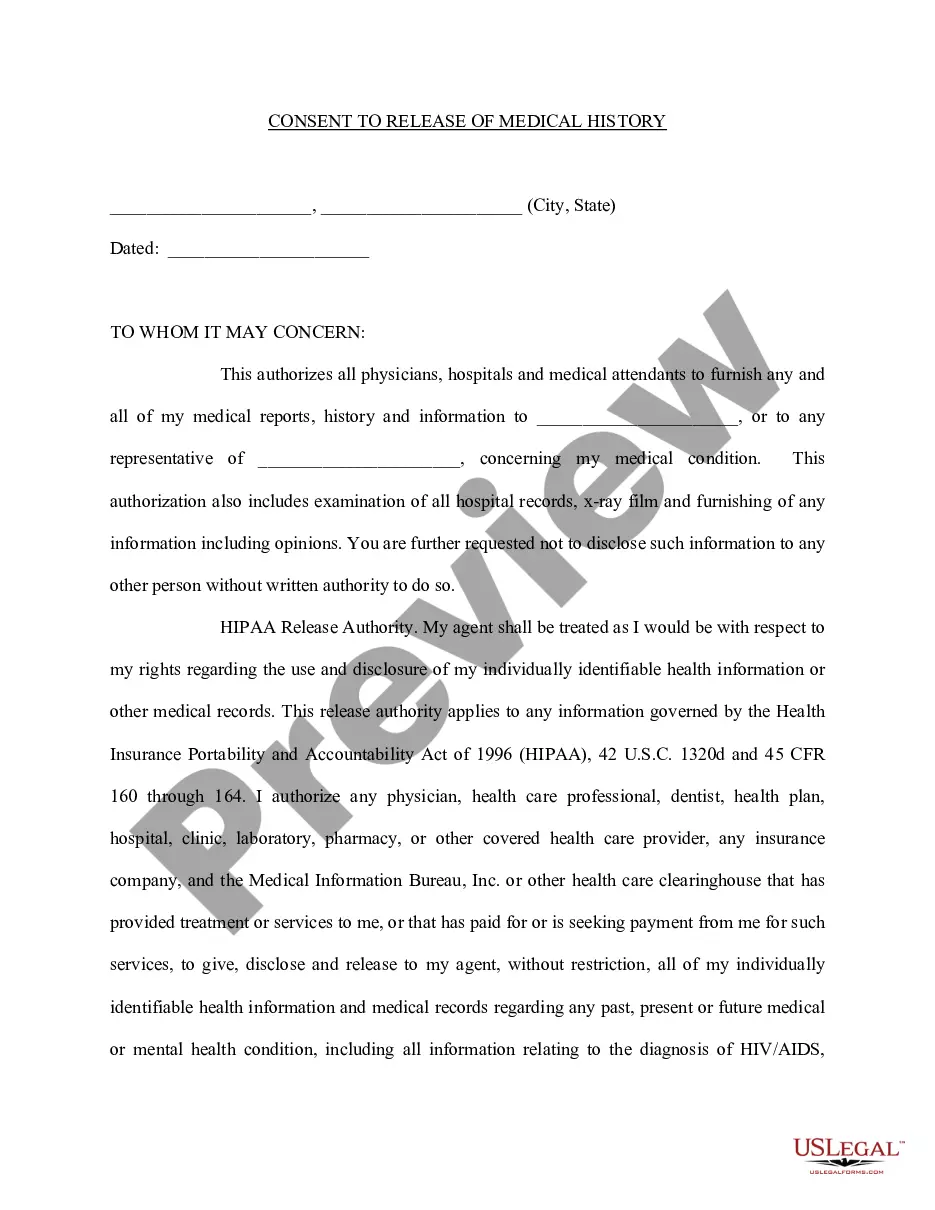



Form popularity
FAQ
The standard salutation is "Dear name," which reflects professionalism and conveys respect. It may be considered old-fashioned, but it is generally more acceptable when there are still unknowns.
In a formal letter, the standard salutation is “Dear” followed by the recipient's title and last name. Begin your letter with “Dear recipient's name” and add a comma after the name. When you cannot determine the recipient's name, you may address the letter to their title.
To formally greet someone in writing, some common options include: ``Dear (Name),'' ``Greetings (Name),'' ``To (Name),'' ``Honourable (Name),'' The choice depends on the level of formality. ``Dear (Name)'' is a standard formal greeting. ``Greetings (Name)'' is slightly more formal.
The greeting of a friendly letter always starts with 'Dear' followed by the person's name to whom you are writing the letter. In the below example, the greeting is 'Dear Jason. ' The greeting is followed by a comma, then a skipped line. 3.
In a formal letter, the standard salutation is “Dear” followed by the recipient's title and last name. Begin your letter with “Dear recipient's name” and add a comma after the name.
8 best ways to start emails Hi Name, Starting an email with “Hi Name,” is best for most circumstances, other than very formal situations. Hello Name, ... Dear Name, ... Good morning / afternoon / evening, ... Greetings, ... Hi there, ... To Name, ... To Whom It May Concern,
Most formal letters will start with 'Dear' before the name of the person that you are writing to. You can choose to use first name and surname, or title. and surname. However, if you don't know the name of the person you are writing to, you must use 'Dear Sir or Madam,'.
Whenever possible, personalize your greeting by including the hiring manager's name (e.g., “Dear Mr. Smith”). If the name is unavailable, use a respectful, generic salutation such as “Dear Hiring Manager” or “Dear Department Team.” Avoid overly casual greetings or outdated terms like “To Whom It May Concern.”
Dear Recipient's Name, Sending you many greetings and best wishes. May this letter find you in good health and high spirits. With warm regards, Your Name.
The salutation It should always start with “Dear," followed by the recipient's name. Depending on your relationship with the reader, you can use their first or last name.
