Letter Instruction Sample For Scholarship Application In Hennepin
Description

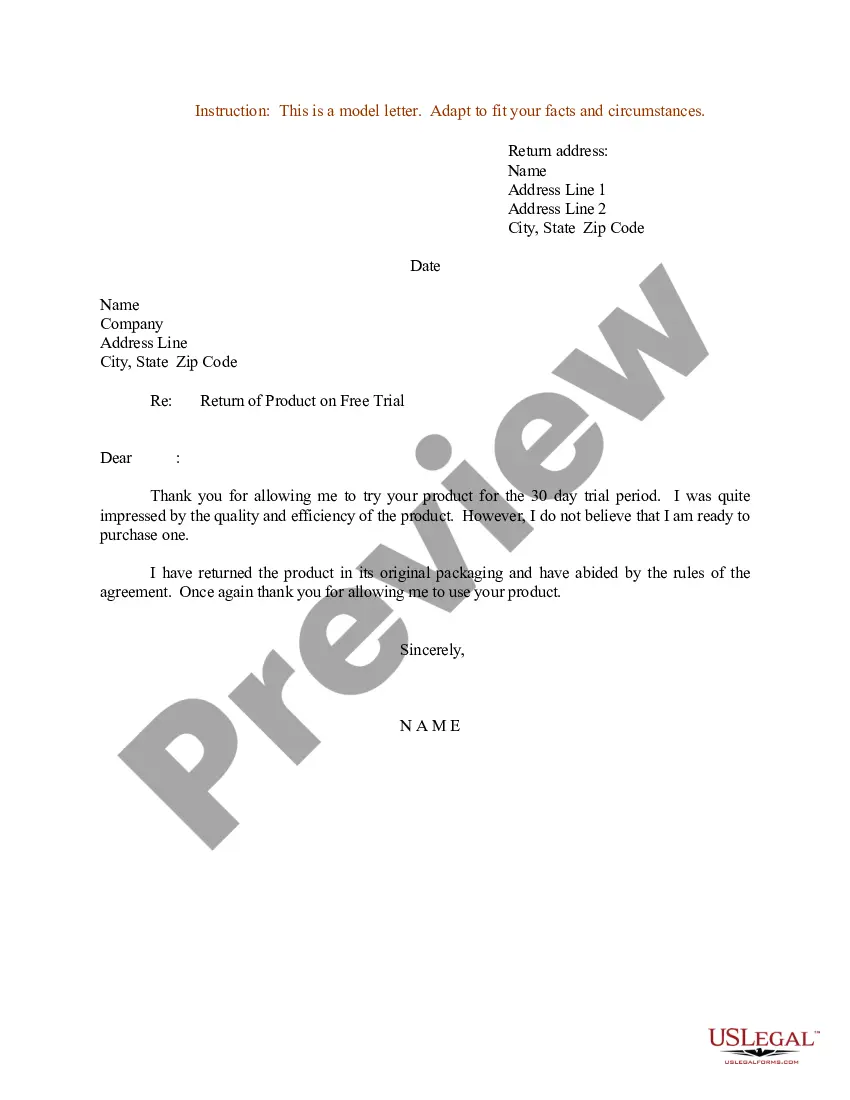
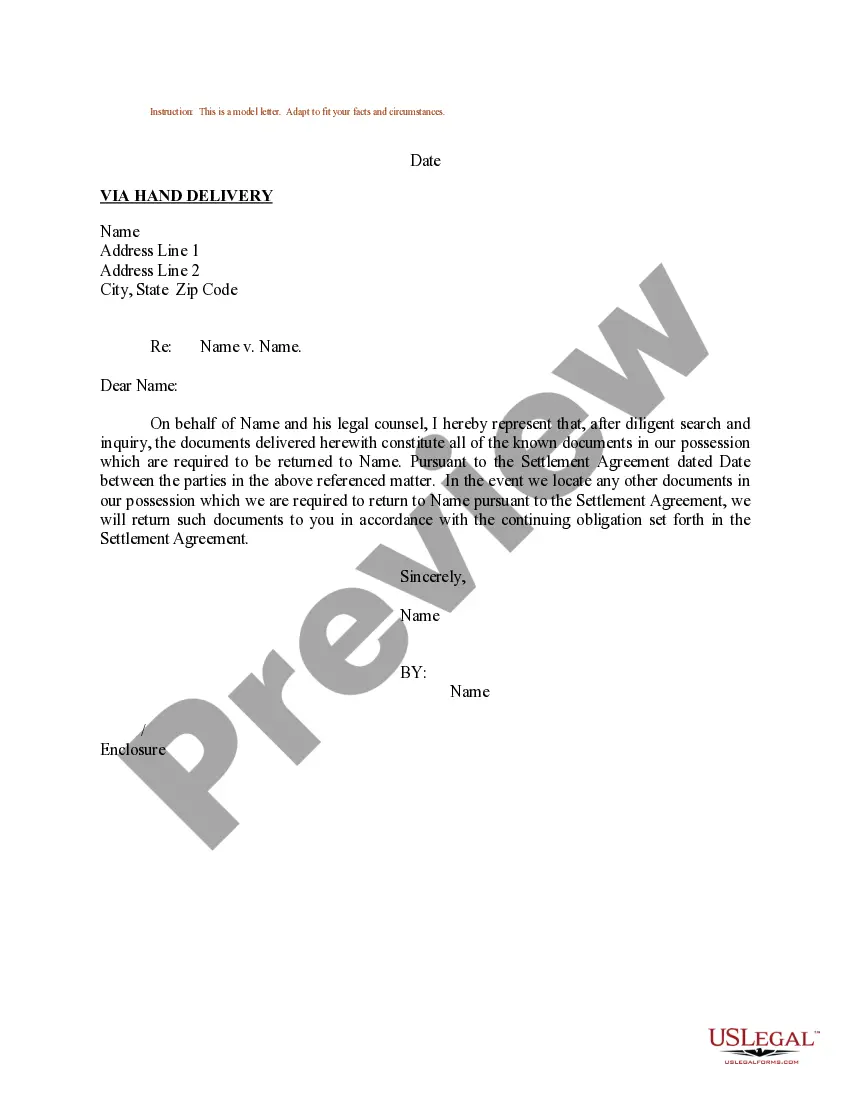
Get your form ready online
Our built-in tools help you complete, sign, share, and store your documents in one place.
Make edits, fill in missing information, and update formatting in US Legal Forms—just like you would in MS Word.
Download a copy, print it, send it by email, or mail it via USPS—whatever works best for your next step.
Sign and collect signatures with our SignNow integration. Send to multiple recipients, set reminders, and more. Go Premium to unlock E-Sign.
If this form requires notarization, complete it online through a secure video call—no need to meet a notary in person or wait for an appointment.
We protect your documents and personal data by following strict security and privacy standards.

Make edits, fill in missing information, and update formatting in US Legal Forms—just like you would in MS Word.

Download a copy, print it, send it by email, or mail it via USPS—whatever works best for your next step.

Sign and collect signatures with our SignNow integration. Send to multiple recipients, set reminders, and more. Go Premium to unlock E-Sign.

If this form requires notarization, complete it online through a secure video call—no need to meet a notary in person or wait for an appointment.

We protect your documents and personal data by following strict security and privacy standards.
Looking for another form?







Form popularity
FAQ
Tips for Writing a Scholarship Recommendation Letter Be sure you know the student well enough to write on their behalf. Open with a formal salutation. Tailor your letter. Discuss the student's potential, talents, and skills. Give specific examples that validate your claims.
Dear Mr./Ms./Mx. Recipient's name / Scholarship Committee, Start with an opening paragraph that briefly introduces who you are, and your relevant experience, how you learned about the scholarship, and why you are interested in applying.
First paragraph – identify what you are applying for. Second paragraph (or combine with first paragraph) – explain your goals. Third paragraph – talk about yourself, including what the scholarship committee wants to know about you. Fourth paragraph – summarize how you have met their requirements.
Writing a strong letter Address the criteria of the award and how the student fulfills them. Emphasize the student's strengths. Provide specific anecdotes of things the student has done that are impressive. Use your comments to complement the rest of the application.
The difference is that an academic reference, which is also considered a professional reference, can speak about the quality of your work together with you as a person. A personal reference can only speak about you as a person.
Begin by clearly stating the purpose of your letter - to apply for a scholarship. Mention the specific scholarship you are applying for, including the name and any relevant details about the award. Next, provide a brief overview of your academic and extracurricular achievements.
Start with an interesting introduction that states your name, why you're writing the letter, and the specifics of the scholarship application. Sum up your main ideas into 2 to 3 well-structured paragraphs. Every paragraph should have one main idea. Keep it brief as it shouldn't be lengthy.
John is a very humble individual who gets along well with his peers and the entire medical team. It is therefore without reservations that I recommend him to you for any residency program that he may be seeking. I am sure he will be a valuable asset to your organization.
First paragraph – identify what you are applying for. Second paragraph (or combine with first paragraph) – explain your goals. Third paragraph – talk about yourself, including what the scholarship committee wants to know about you. Fourth paragraph – summarize how you have met their requirements.
Dear Sir/Madam, I am writing this letter to express my interest in applying for a scholarship offered by your esteemed organization. I am currently pursuing my Bachelor's degree in Computer Science at XYZ University and would like to apply for a scholarship that will help me continue my education.
