Letter Instruction Sample For Friend In Cook
Description

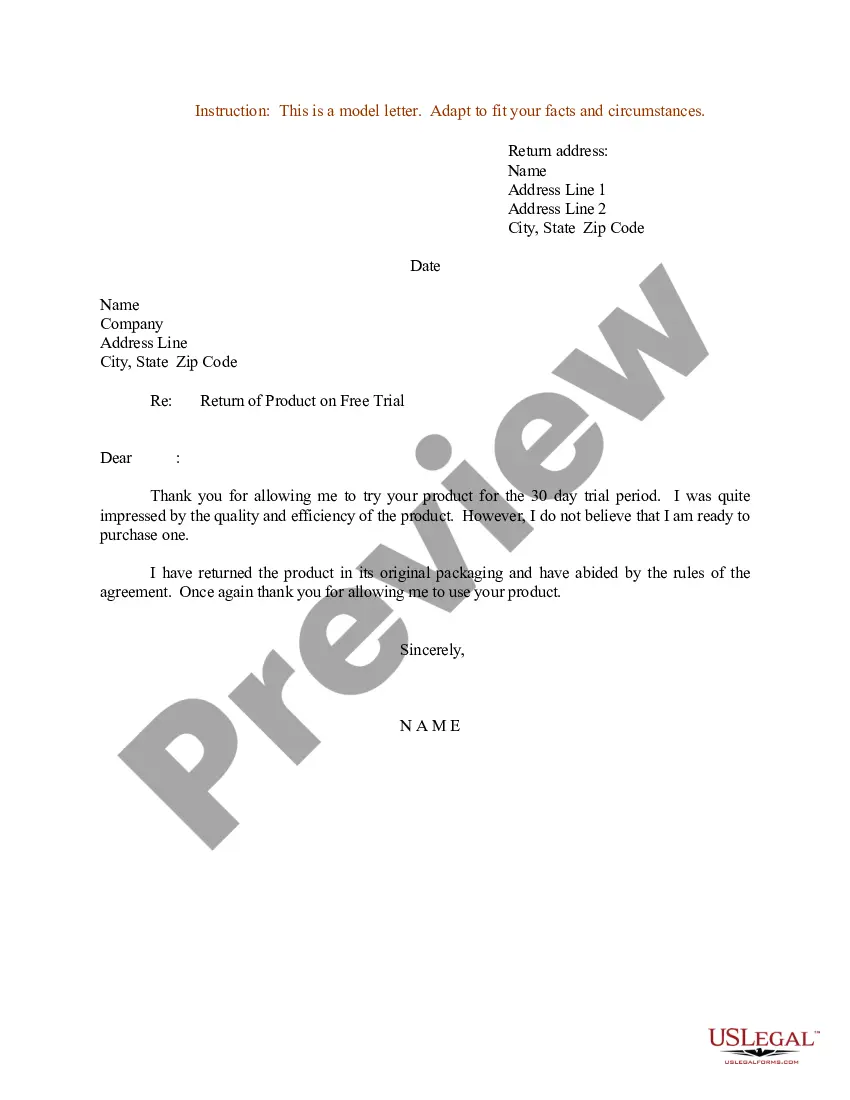
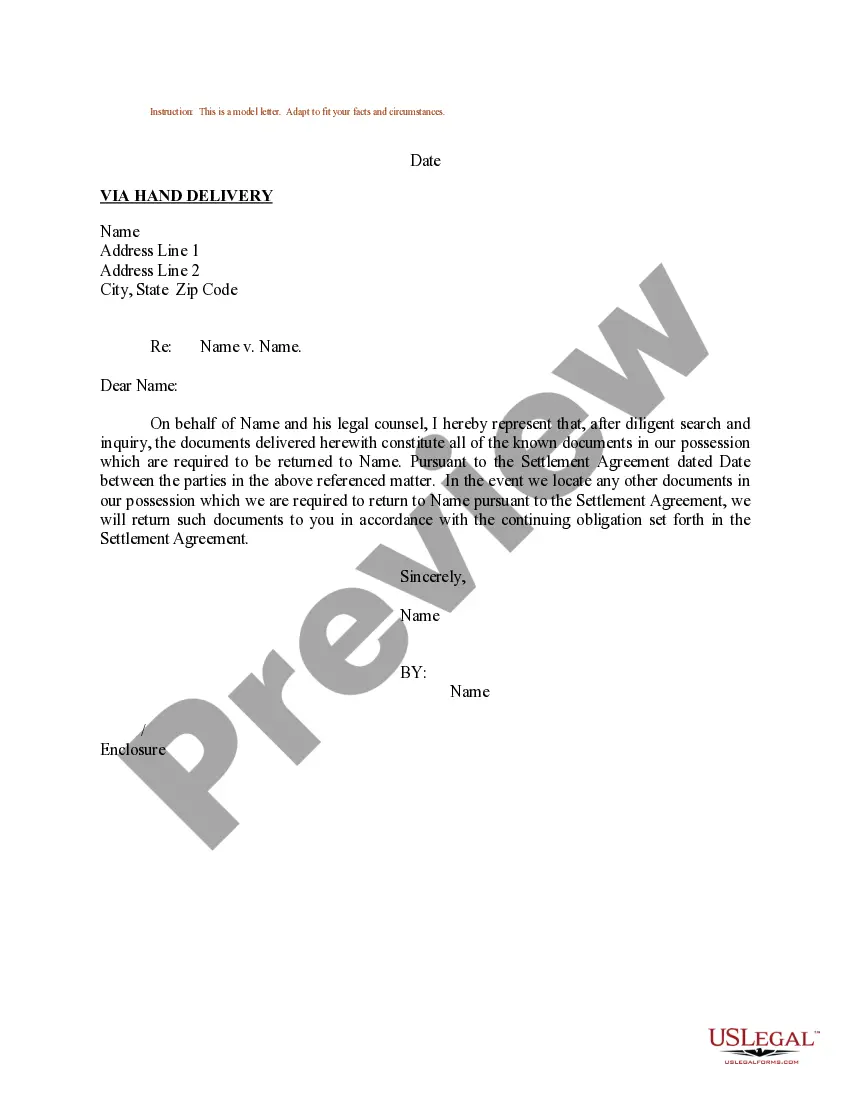
Get your form ready online
Our built-in tools help you complete, sign, share, and store your documents in one place.
Make edits, fill in missing information, and update formatting in US Legal Forms—just like you would in MS Word.
Download a copy, print it, send it by email, or mail it via USPS—whatever works best for your next step.
Sign and collect signatures with our SignNow integration. Send to multiple recipients, set reminders, and more. Go Premium to unlock E-Sign.
If this form requires notarization, complete it online through a secure video call—no need to meet a notary in person or wait for an appointment.
We protect your documents and personal data by following strict security and privacy standards.

Make edits, fill in missing information, and update formatting in US Legal Forms—just like you would in MS Word.

Download a copy, print it, send it by email, or mail it via USPS—whatever works best for your next step.

Sign and collect signatures with our SignNow integration. Send to multiple recipients, set reminders, and more. Go Premium to unlock E-Sign.

If this form requires notarization, complete it online through a secure video call—no need to meet a notary in person or wait for an appointment.

We protect your documents and personal data by following strict security and privacy standards.
Looking for another form?








Form popularity
FAQ
How to write a letter of instruction Create a header. Before you write the content of the letter, create a header at the top left-hand corner of the document. Address the reader. Explain the project or task. List each step. Conclude your letter. Revise the document.
Tips Start by saying thank you if you know that the person has already agreed to help you. Use bullet points or a list to present the instructions clearly for the reader. Phrase the instructions as polite requests, e.g. Don't forget to ... , Please can you ... , Would you mind ...
Here are my top 5 tips on how to write instructions: Arrange the steps in a task in a logical sequence. Use short sentences and do not convey more than a single idea in a sentence. Use appropriate punctuation to make the instructions clear. Use active voice.
Heading: Includes the address and the date. In some cases, it is OK to just write the date. Greeting: The greeting usually starts with 'Dear' and is followed the person's name and then a comma. Body: After skipping a line, you begin the body of your letter which is the main text of your letter.
