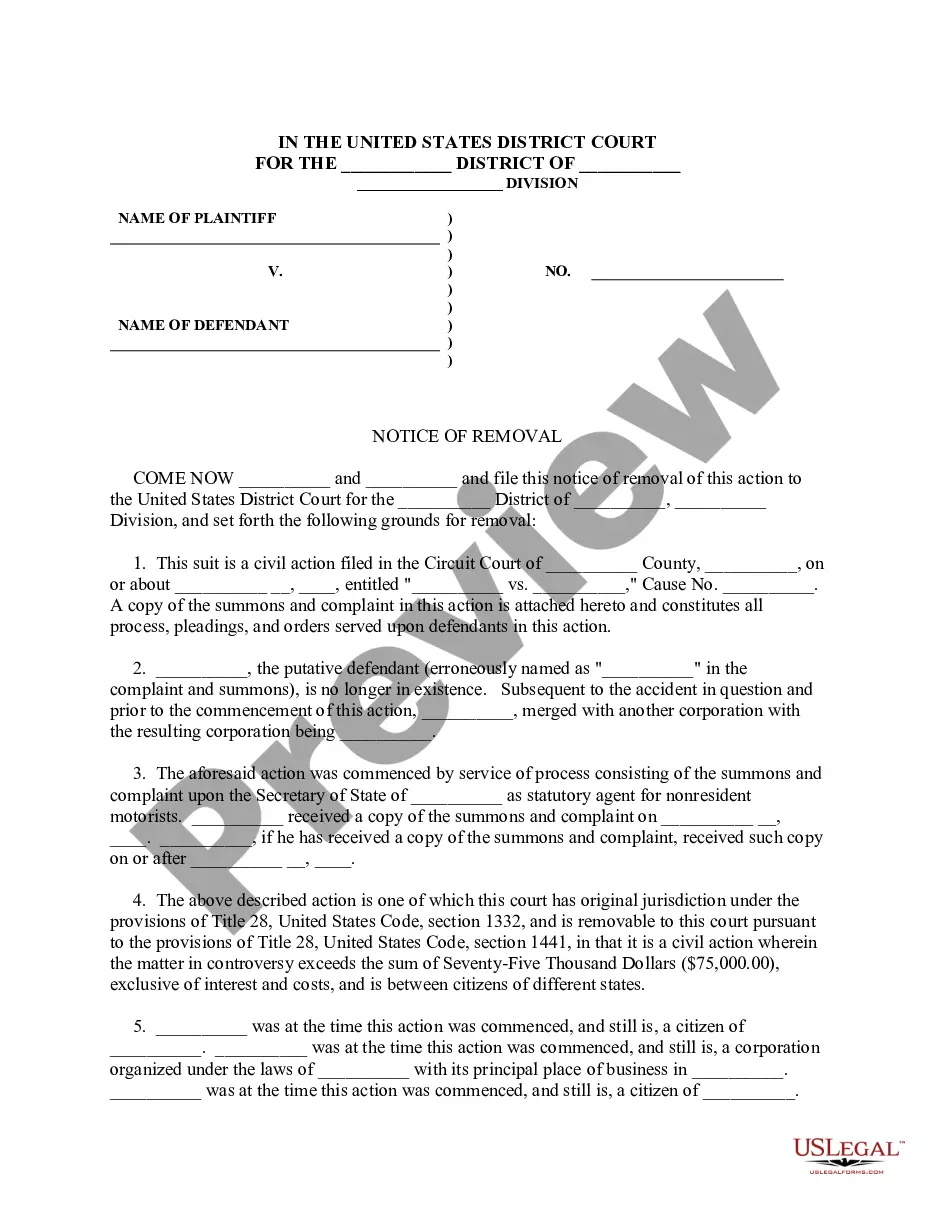
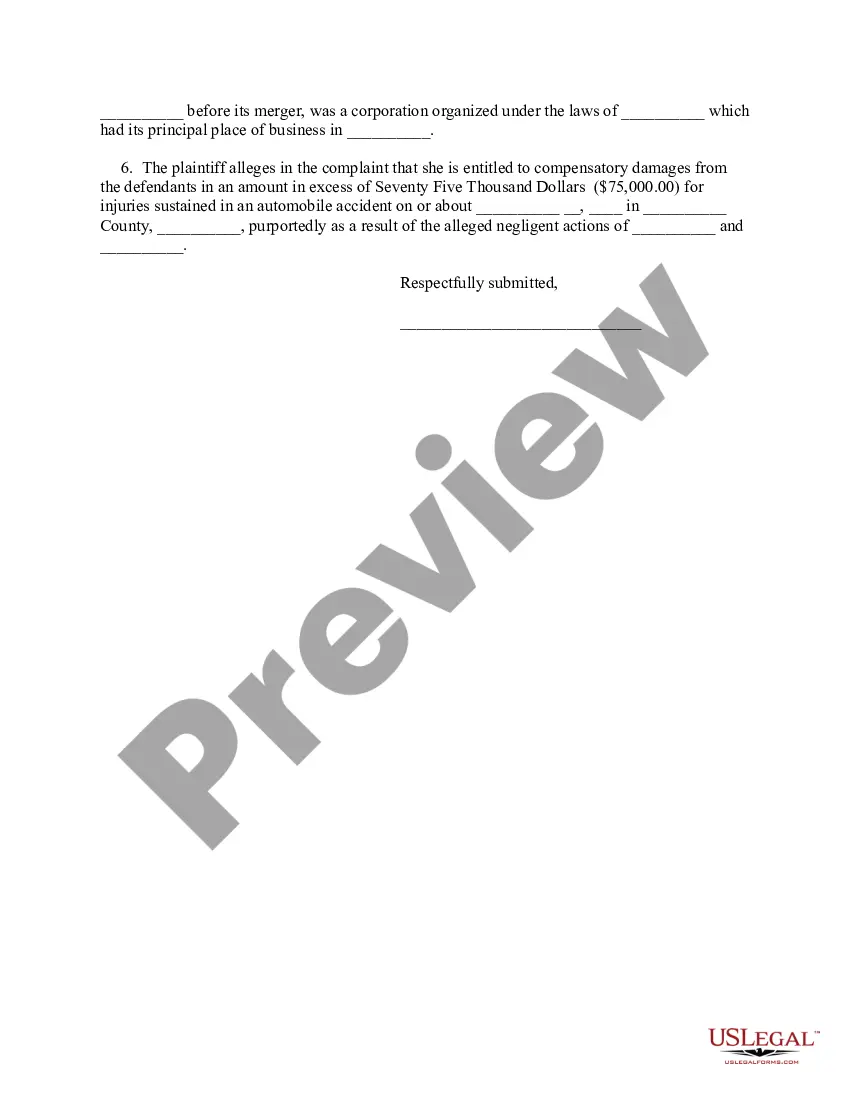
Notice Of Removal Template Foreclosure In Ohio
Description
Get your form ready online
Our built-in tools help you complete, sign, share, and store your documents in one place.
Make edits, fill in missing information, and update formatting in US Legal Forms—just like you would in MS Word.
Download a copy, print it, send it by email, or mail it via USPS—whatever works best for your next step.
Sign and collect signatures with our SignNow integration. Send to multiple recipients, set reminders, and more. Go Premium to unlock E-Sign.
If this form requires notarization, complete it online through a secure video call—no need to meet a notary in person or wait for an appointment.
We protect your documents and personal data by following strict security and privacy standards.

Make edits, fill in missing information, and update formatting in US Legal Forms—just like you would in MS Word.

Download a copy, print it, send it by email, or mail it via USPS—whatever works best for your next step.

Sign and collect signatures with our SignNow integration. Send to multiple recipients, set reminders, and more. Go Premium to unlock E-Sign.

If this form requires notarization, complete it online through a secure video call—no need to meet a notary in person or wait for an appointment.

We protect your documents and personal data by following strict security and privacy standards.
Looking for another form?








Form popularity
FAQ
Some states also provide foreclosed borrowers a redemption period after the foreclosure sale, during which they can buy back the home. In Ohio, you have a right to redeem up until the court confirms the sale. (Ohio Rev. Code § 2329.33 (2025).)
The new owner requests from the Court a writ of possession to have you removed. The Sheriff will generally give you 10 to 14 days to move out of the property. In rare cases, this may be extended up to 30 days for hardship.
Tenants who live in foreclosed residential properties are allowed to stay in their homes until they are given at least 90 days advance notice to vacate, with the buyer as the new landlord.
The Sheriff will generally give you 10 to 14 days to move out of the property. In rare cases, this may be extended up to 30 days for hardship.
The best way to prevent foreclosure is to use a budget to live within your means and build savings. Foreclosure occurs when a homeowner fails to make mortgage payments, leading the lender to take possession of the property. To achieve this: Create a Budget: Start by tracking your income and expenses.
Get in touch with your lender as soon as you realize you may be in trouble. Lenders would rather have a paying customer than an empty house on their hands. Filing for bankruptcy or a lawsuit can slow or stop the foreclosure process, but start by contacting your lender.
If you want to challenge the fees the servicer is charging in a foreclosure action, it's a good idea to talk to a qualified attorney. A lawyer can advise you on what defenses are available for your particular situation.
Lenders regulated by the RBI should also not levy any charges retrospectively at the time of foreclosure/prepayment of loans, that were waived off by the REs/not disclosed in advance to the borrowers, under any circumstances, the draft said. The central bank has invited comments from stakeholders by March 21, 2025.
Who Suffers the Most in Foreclosure? Homeowners suffer the most in foreclosure because they lose the home that they live in as well as take a huge financial loss due to the foreclosure.