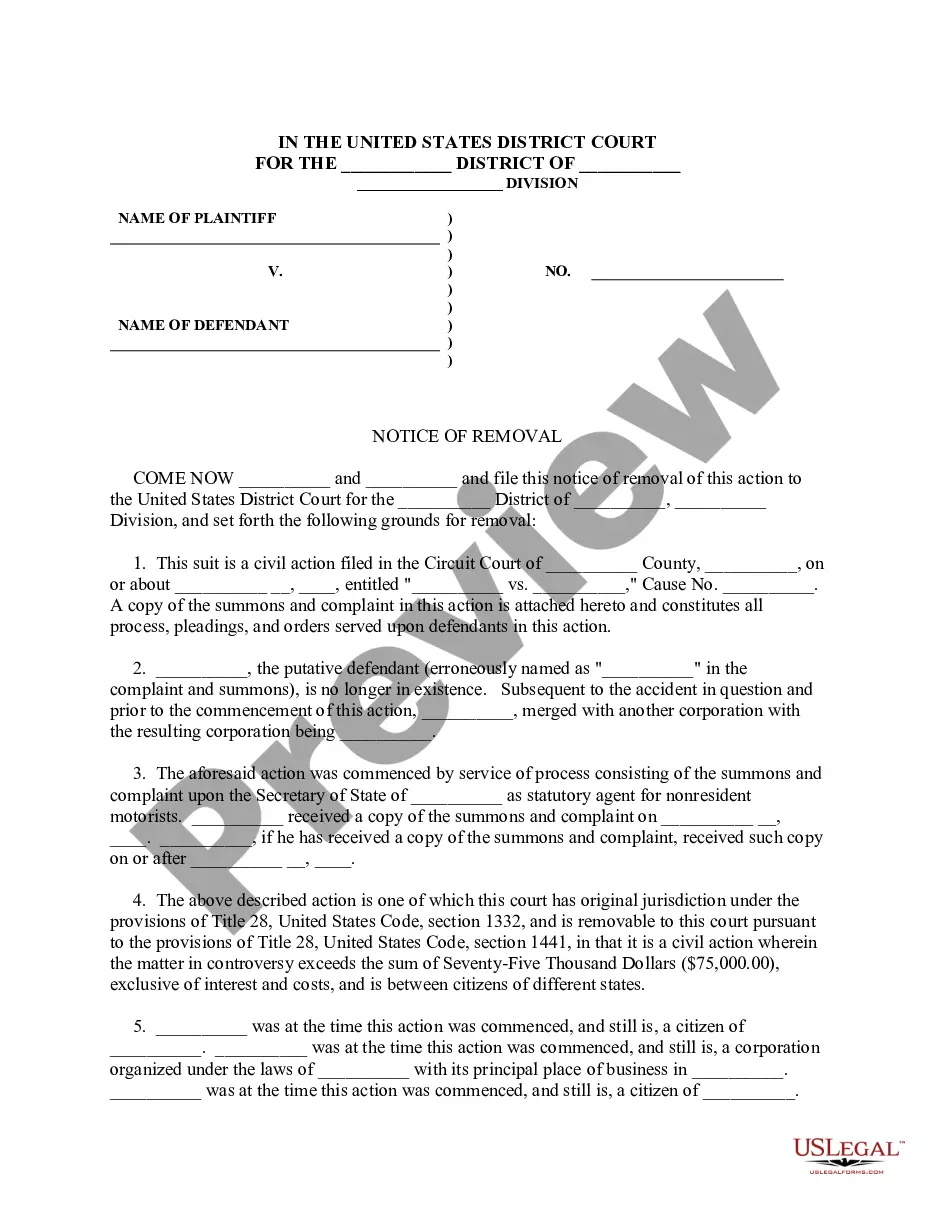
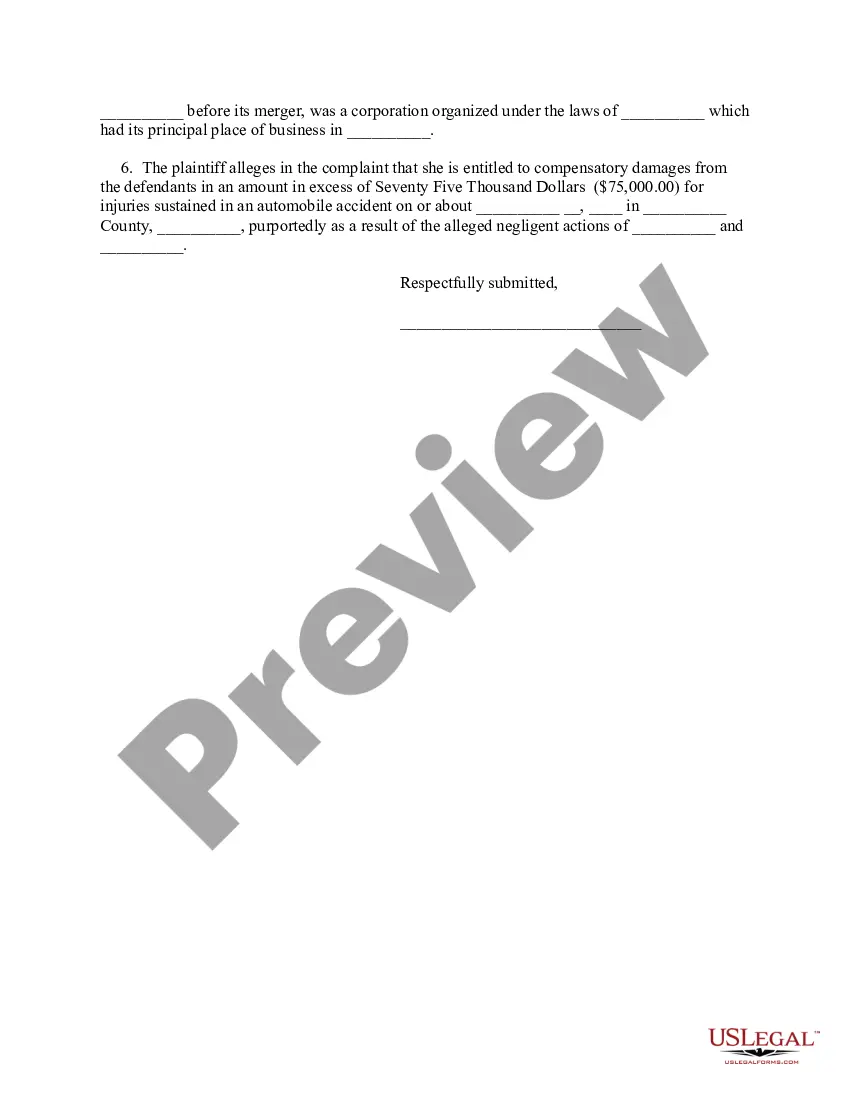
Notice Of Removal Template For Work In Ohio
Description
Get your form ready online
Our built-in tools help you complete, sign, share, and store your documents in one place.
Make edits, fill in missing information, and update formatting in US Legal Forms—just like you would in MS Word.
Download a copy, print it, send it by email, or mail it via USPS—whatever works best for your next step.
Sign and collect signatures with our SignNow integration. Send to multiple recipients, set reminders, and more. Go Premium to unlock E-Sign.
If this form requires notarization, complete it online through a secure video call—no need to meet a notary in person or wait for an appointment.
We protect your documents and personal data by following strict security and privacy standards.

Make edits, fill in missing information, and update formatting in US Legal Forms—just like you would in MS Word.

Download a copy, print it, send it by email, or mail it via USPS—whatever works best for your next step.

Sign and collect signatures with our SignNow integration. Send to multiple recipients, set reminders, and more. Go Premium to unlock E-Sign.

If this form requires notarization, complete it online through a secure video call—no need to meet a notary in person or wait for an appointment.

We protect your documents and personal data by following strict security and privacy standards.
Looking for another form?







Form popularity
FAQ
R. 11 governs the signing of pleadings, motions and other documents. For a “willful” violation of this rule, an attorney or pro se party, upon motion of a party or upon the court's own motion, may be subjected to appropriate action, including an award to the opposing party of expenses and reasonable attorney fees.
You may file a Motion to Dismiss by contacting the attorney of your choice or you may file pro-se. Contact the Domestic Violence Coordinator at (937) 562-6236 for further details. The Motion to Dismiss will be set for hearing on the Judge or Magistrate's docket, and the Petitioner must attend.
30. Each party at the deposition may examine the deponent without regard to which party served notice or called the deposition. In all other respects the examination and cross-examination of a deponent may proceed as they would at trial under the Ohio Rules of Evidence, except Evid.
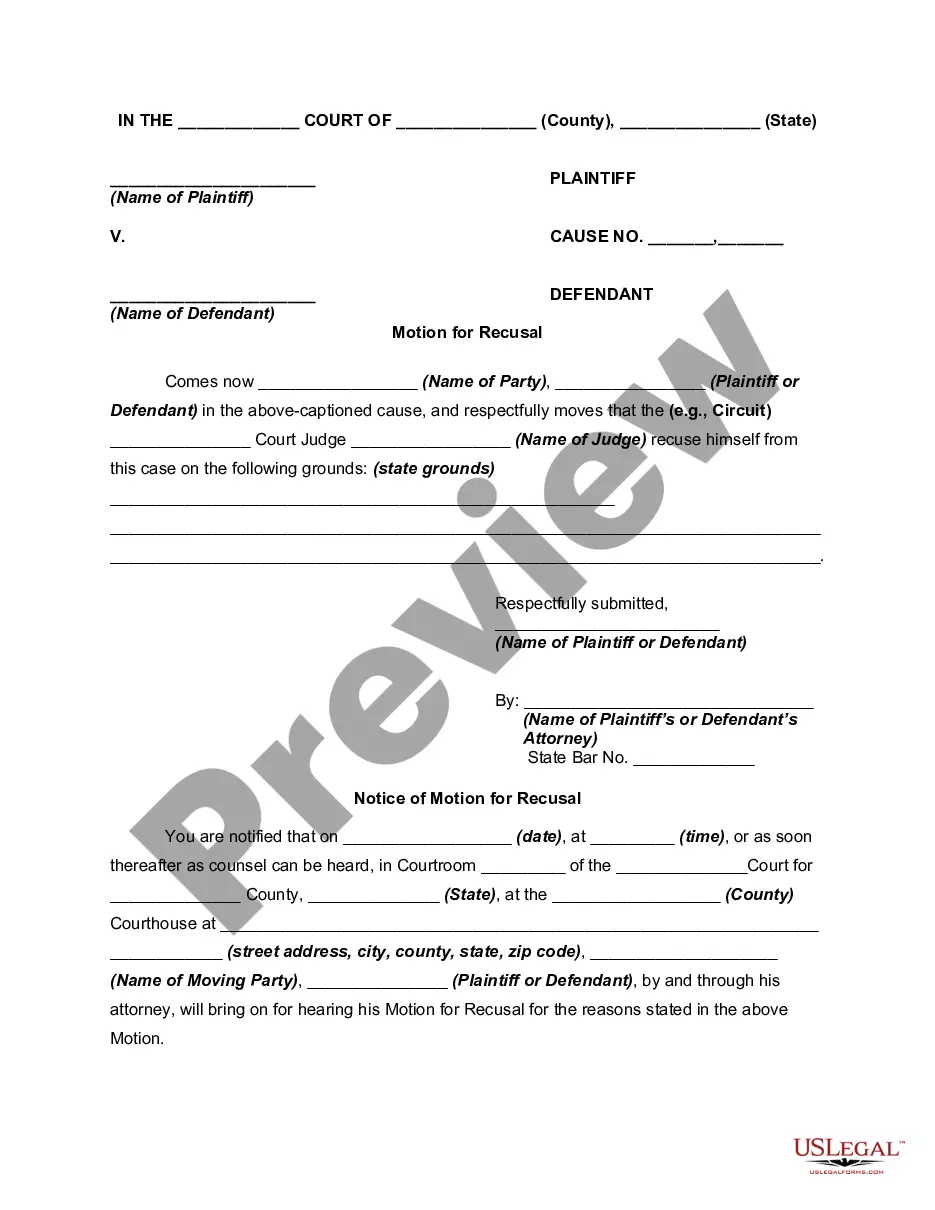
Except for motions made during a hearing or during trial, motions are required to be in writing. They must also be filed in court and served on the opposing party's attorney (or the party if not represented by counsel). If the motion is contested, the opposing attorneys will also file papers opposing the motion.
After the plaintiff, in an action tried by the court without a jury, has completed the presentation of the plaintiff's evidence, the defendant, without waiving the right to offer evidence in the event the motion is not granted, may move for a dismissal on the ground that upon the facts and the law the plaintiff has ...
A motion to dismiss does not automatically stay discovery. If the court denies the motion to dismiss, the defendant(s) must serve the answer within 14 days after notice of the court's action (Ohio Civ. R. 12(A)(2)).
R. 11 governs the signing of pleadings, motions and other documents. For a “willful” violation of this rule, an attorney or pro se party, upon motion of a party or upon the court's own motion, may be subjected to appropriate action, including an award to the opposing party of expenses and reasonable attorney fees.
Rule 52 - Harmless Error and Plain Error (A) Harmless error. Any error, defect, irregularity, or variance which does not affect substantial rights shall be disregarded. (B) Plain error. Plain errors or defects affecting substantial rights may be noticed although they were not brought to the attention of the court.
Ohio Civil Rule 56(C) requires that documents submitted in defense of a motion for summary judgment be properly sworn, certified, or authenticated by affidavit, or such evidence may not be considered in determining whether an issue of fact exists.
Rule 37-Failure to Make or Cooperate in Discovery: Sanctions. (a) Motion for Order Compelling Disclosure or Discovery. A party, upon reasonable notice to other parties and all persons affected thereby, may apply for an order compelling disclosure or discovery as follows: (1) Appropriate Court.