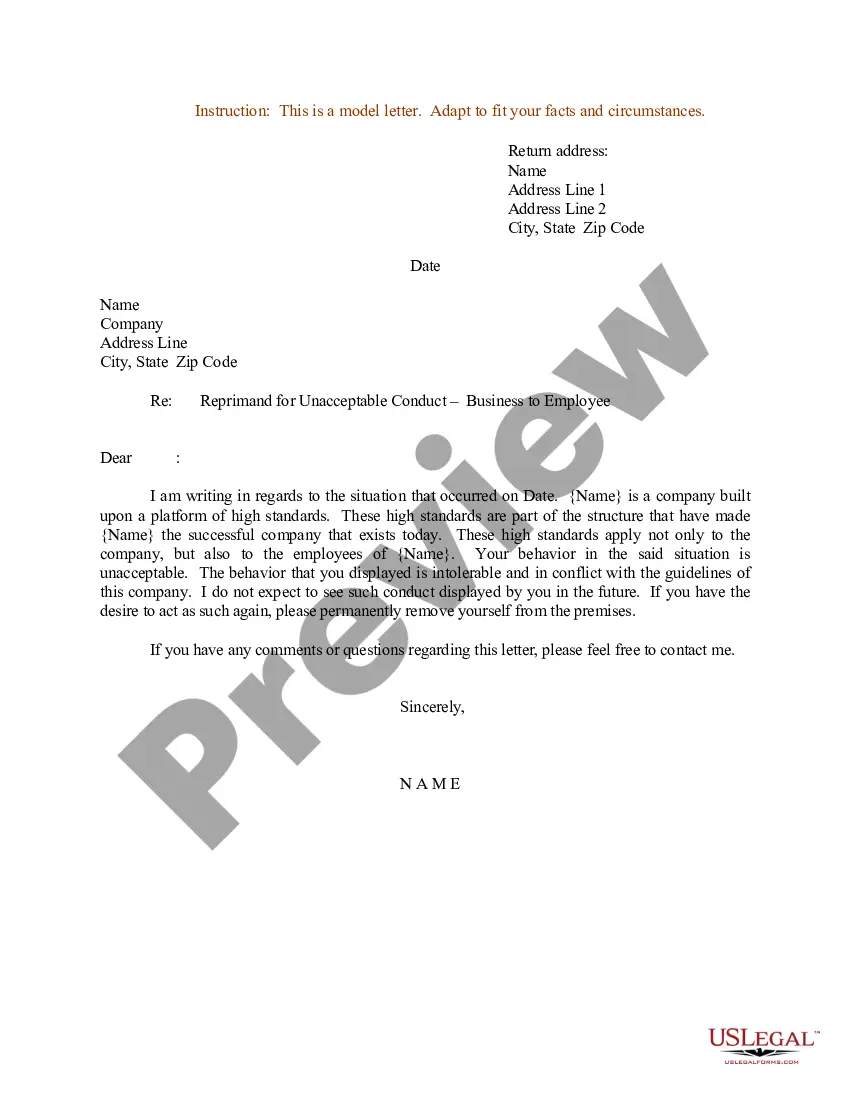
Notice Of Removal Template Foreclosure In Minnesota
Description
Get your form ready online
Our built-in tools help you complete, sign, share, and store your documents in one place.
Make edits, fill in missing information, and update formatting in US Legal Forms—just like you would in MS Word.
Download a copy, print it, send it by email, or mail it via USPS—whatever works best for your next step.
Sign and collect signatures with our SignNow integration. Send to multiple recipients, set reminders, and more. Go Premium to unlock E-Sign.
If this form requires notarization, complete it online through a secure video call—no need to meet a notary in person or wait for an appointment.
We protect your documents and personal data by following strict security and privacy standards.

Make edits, fill in missing information, and update formatting in US Legal Forms—just like you would in MS Word.

Download a copy, print it, send it by email, or mail it via USPS—whatever works best for your next step.

Sign and collect signatures with our SignNow integration. Send to multiple recipients, set reminders, and more. Go Premium to unlock E-Sign.

If this form requires notarization, complete it online through a secure video call—no need to meet a notary in person or wait for an appointment.

We protect your documents and personal data by following strict security and privacy standards.
Looking for another form?


Form popularity
FAQ
Pursuant to Minnesota Statutes, most properties sold in a Mortgage Foreclosure action can be redeemed by the mortgagor. The published Notice of Mortgage Foreclosure sale usually contains a paragraph indicating the length of the redemption period. In most cases, this is 6 months.
For these reasons, lenders and borrowers should consider a deed in lieu as an alternative to foreclosure or an immediate short sale that could benefit both parties and preserve value depending on the circumstances of a particular troubled property.
Disadvantages of a Deed in Lieu of Foreclosure The most obvious disadvantage to you is the loss of your property, any income from the real estate, and your home investment. There are tax costs associated with the conveyance of property as well.
A deed in lieu of foreclosure occurs when the mortgagor (i.e. the borrower) conveys their interest in real property to the mortgagee (i.e. the lender) in order to avoid foreclosure proceedings.
The Bottom Line A deed in lieu agreement won't stay on your credit report like a foreclosure. However, your lender must first agree to take the deed in lieu of foreclosure; they're under no obligation to accept your terms. You can improve your chances of acceptance by keeping your home in good condition.
There are several advantages to a lender in accepting a deed in lieu of foreclosure. First, the lender becomes the owner of the property, allowing the lender to control its operation, take immediate steps to maximize its economic value, use and obtain all its income, and preserve valuable contracts and tenants.
A judge or judicial officer who has presided at a motion or other proceeding or who is assigned by the Chief Justice of the Minnesota Supreme Court may not be removed except upon an affirmative showing that the judge or judicial officer is disqualified under the Code of Judicial Conduct.
To respond to the Mortgage Foreclosure Summons, you actually must respond to the ``Complaint'' which was attached to the Summons. You file a response called an ``Answer'' that responds - paragraph by paragraph - to the claims about you in the Complaint. I have looked at the website for the St.