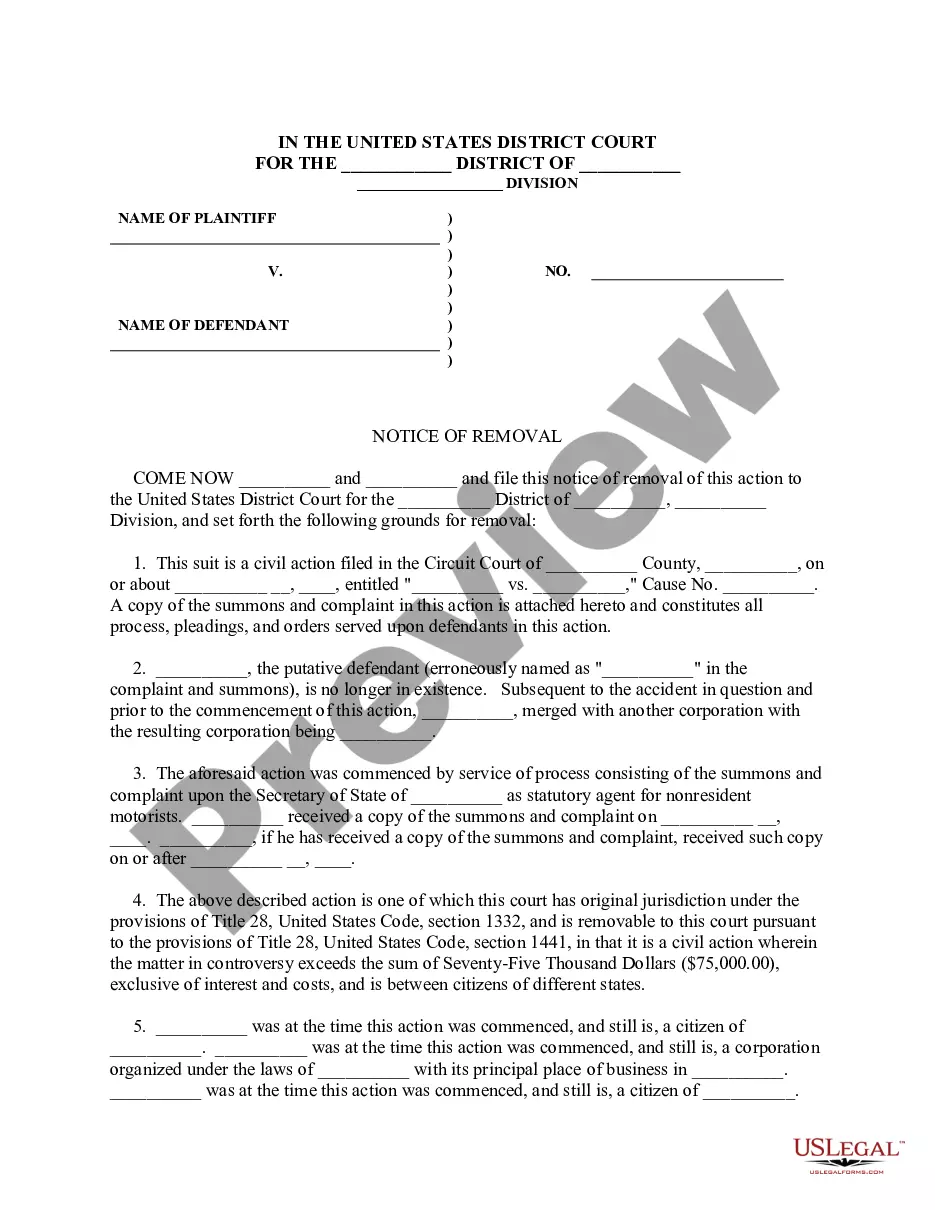
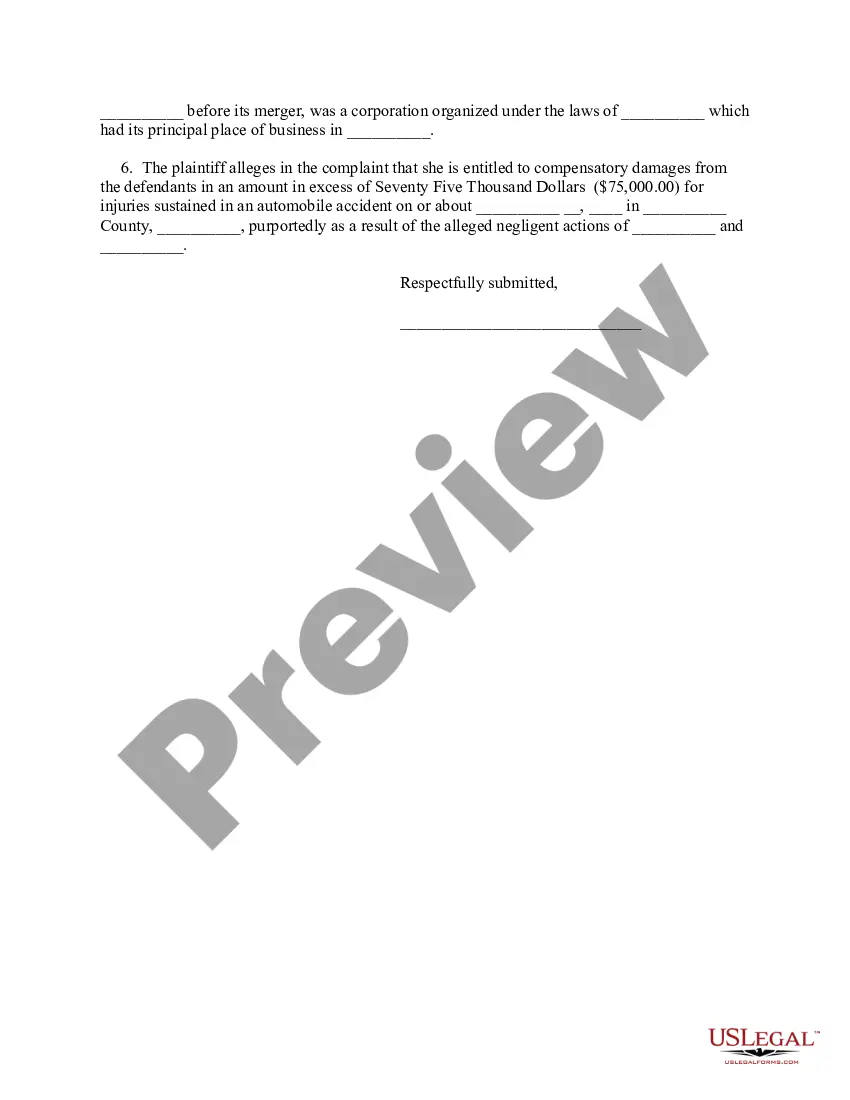
Notice Of Removal Template With Notice Period In Michigan
Description
Get your form ready online
Our built-in tools help you complete, sign, share, and store your documents in one place.
Make edits, fill in missing information, and update formatting in US Legal Forms—just like you would in MS Word.
Download a copy, print it, send it by email, or mail it via USPS—whatever works best for your next step.
Sign and collect signatures with our SignNow integration. Send to multiple recipients, set reminders, and more. Go Premium to unlock E-Sign.
If this form requires notarization, complete it online through a secure video call—no need to meet a notary in person or wait for an appointment.
We protect your documents and personal data by following strict security and privacy standards.

Make edits, fill in missing information, and update formatting in US Legal Forms—just like you would in MS Word.

Download a copy, print it, send it by email, or mail it via USPS—whatever works best for your next step.

Sign and collect signatures with our SignNow integration. Send to multiple recipients, set reminders, and more. Go Premium to unlock E-Sign.

If this form requires notarization, complete it online through a secure video call—no need to meet a notary in person or wait for an appointment.

We protect your documents and personal data by following strict security and privacy standards.
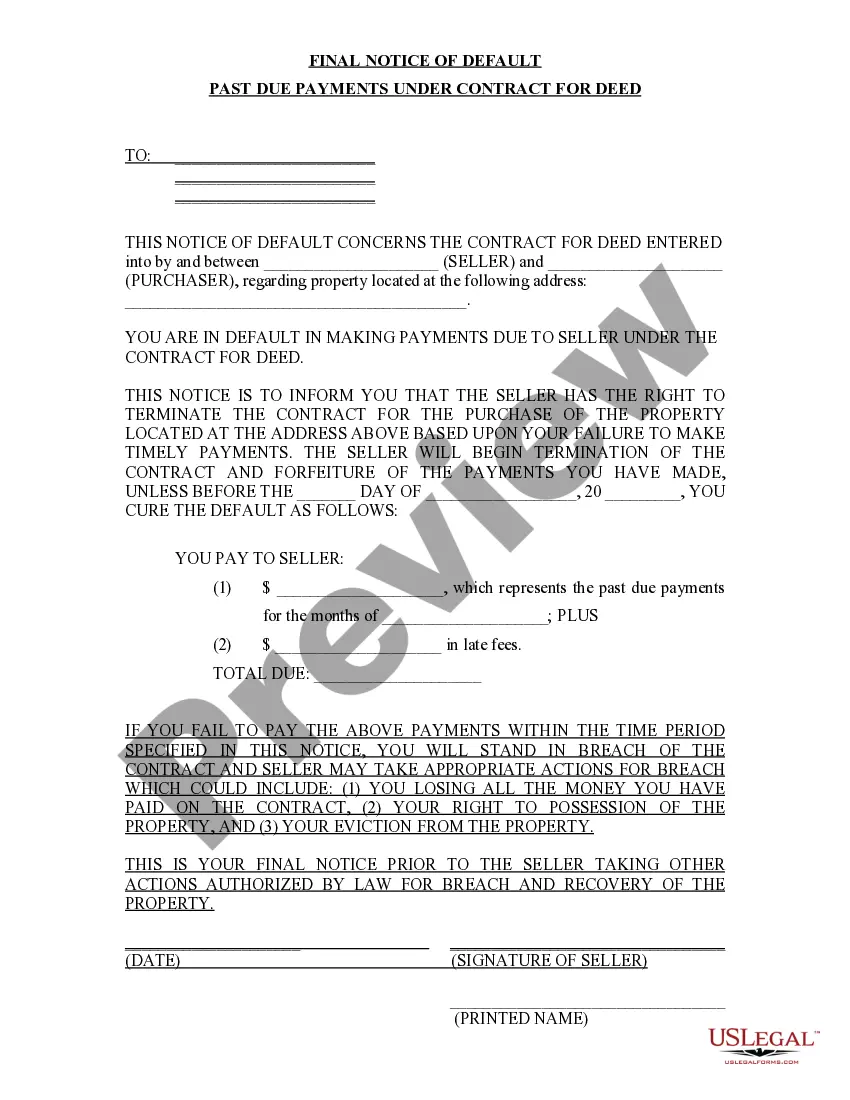
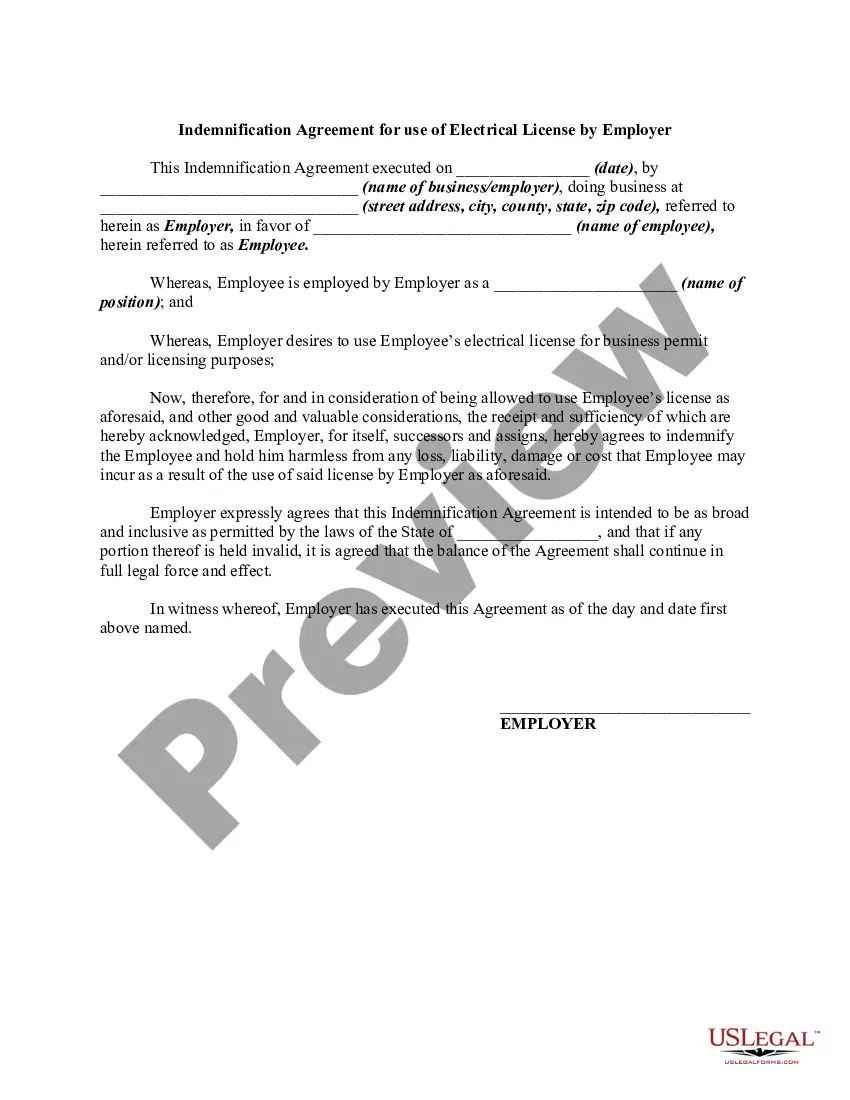
Looking for another form?

Form popularity
FAQ
The eviction process can take 30 - 45 days, or longer. The time starts from when you have eviction court forms delivered to your tenant to the time they must move out. Choose any box, below, to learn more about the eviction process and get step-by-step instructions.
Your landlord must ask for the eviction order within 56 days of the judgment. Your landlord must have the eviction carried out within 56 days of the date the eviction order is issued.
Before they can start the eviction process, a landlord must give the tenant an official written 3-Day Notice to Quit. If the tenant fails to vacate the rental unit after the three-day notice, the landlord may continue filing for a Forcible Entry and Detainer action.
Again, if the tenant doesn't move out after the 30 days, the landlord can move to court for further help. 7-Day Notice for Habitability Violations: The state of Michigan also allows a landlord to evict renters for violations touching on habitability.
Illegal activities The landlord must give the tenant a notice to quit, which allows the tenant seven days to vacate the property. Immediate eviction can occur if the illegal activity poses a serious threat to the safety of others.
Notice Requirements: Landlords in Delaware must provide proper notice before commencing an eviction, which includes a 5-day notice for unpaid rent or a 7-day notice for lease violations.
The type of notice required depends on the reason for the eviction. The notice period, or the amount of time given to the tenant to comply or vacate, typically ranges from 7 to 30 days. However, in certain situations, the notice period can be as short as 24 hours.
It's illegal for a landlord to evict you without going to court and getting an eviction order first. Your landlord can't do anything that prevents you from getting into or staying in your home without an eviction order.
Move out process Once judgment is passed in favor of the landlord, the tenant must move out within 10 days. The appropriate law enforcement official must be given the Writ within 7 days from the day it is issued. There is no specific length of time for them to execute the Writ and forcefully evict the tenant.
As long as the tenant does not violate any rules, they can stay until their rental period ends. But if they stay in the property even a day after their lease/rental agreement ends and have not arranged for renewal, landlords can issue a written 30-Day Notice to Quit.