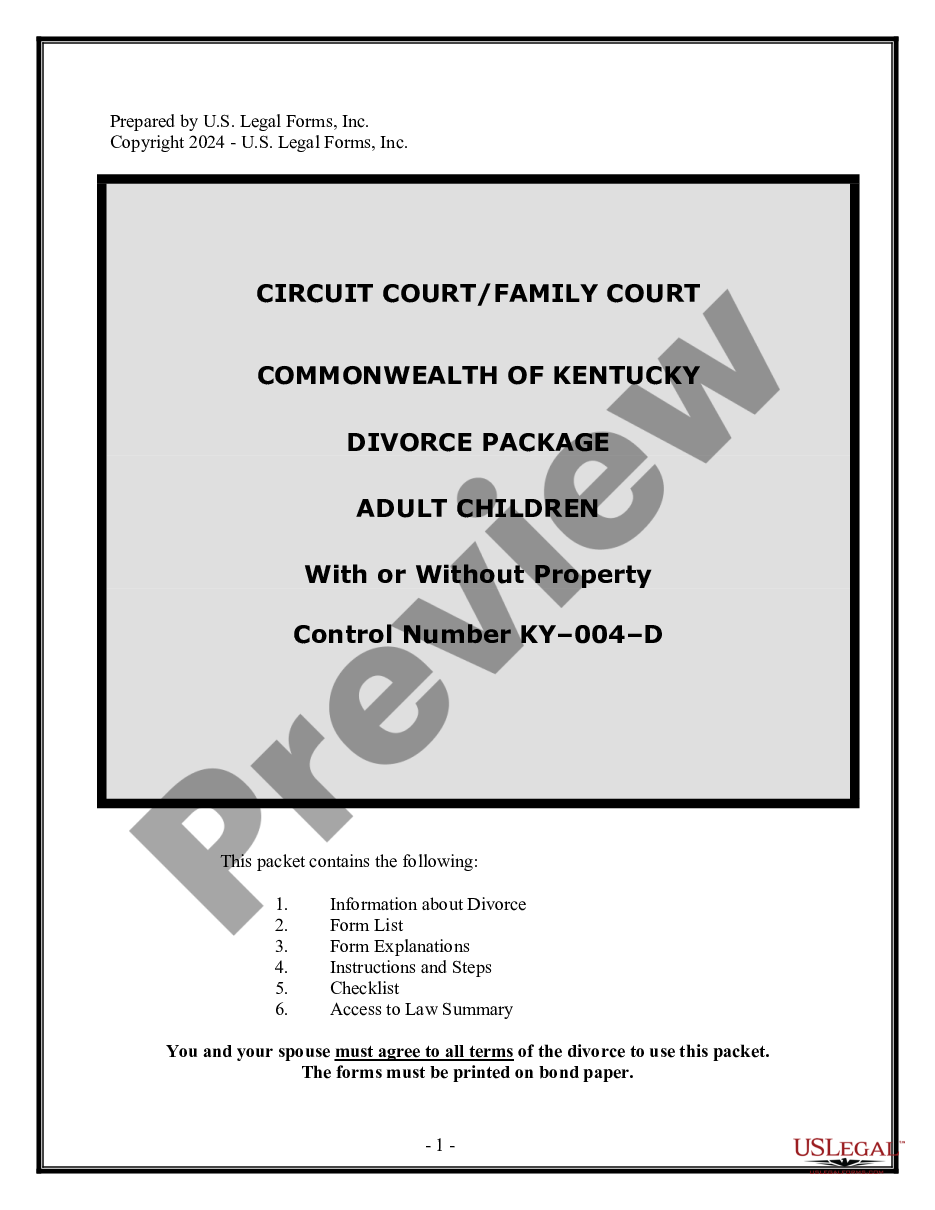
Notice Of Removal Sample For Tenants In Miami-Dade
Description
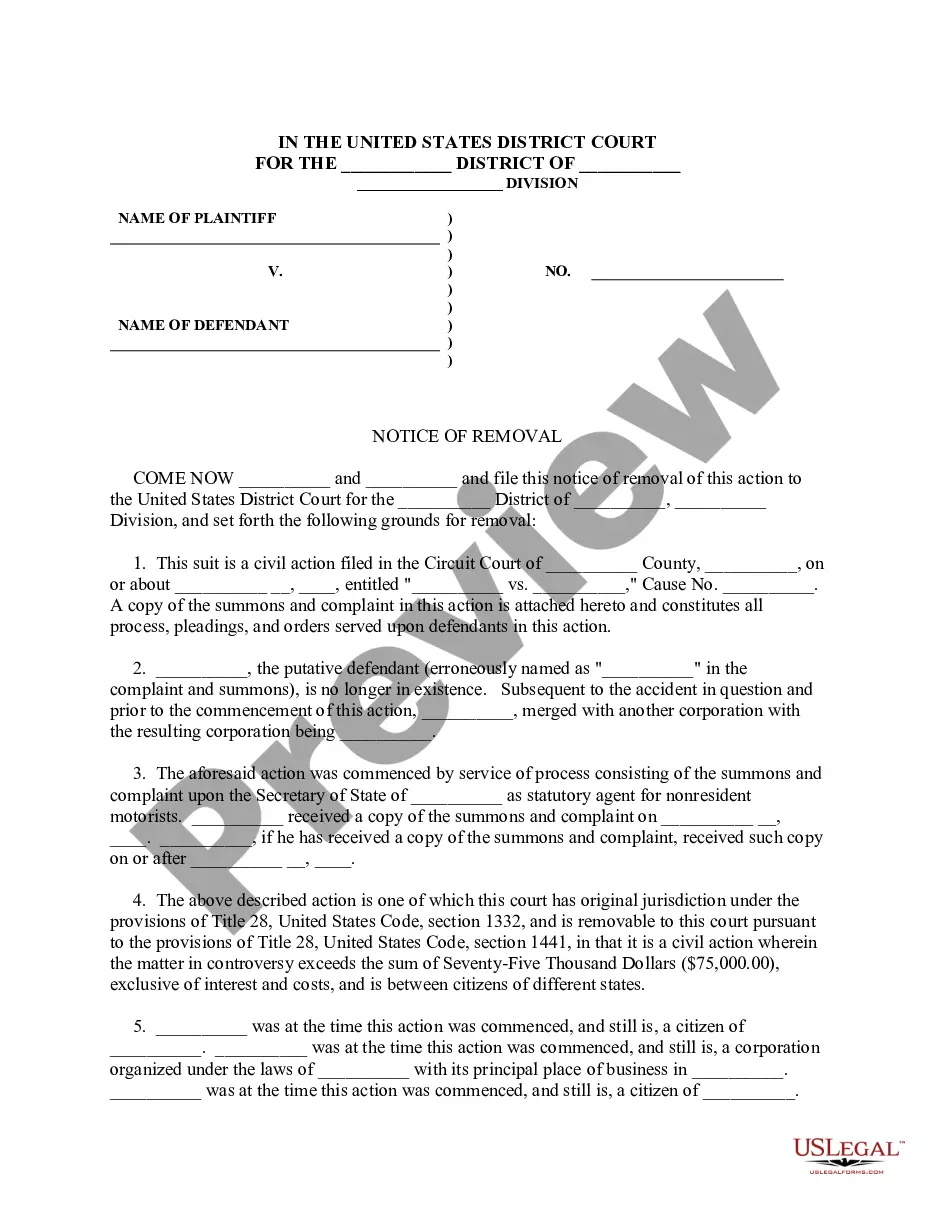
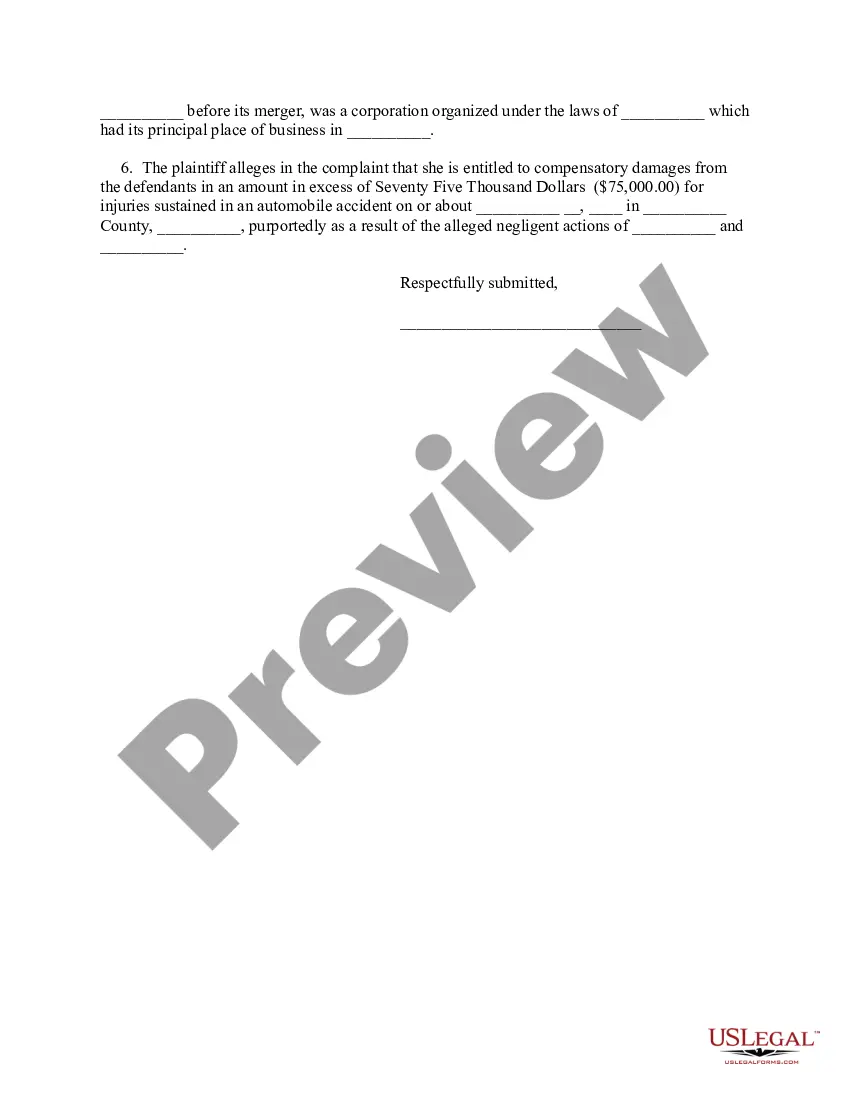
Get your form ready online
Our built-in tools help you complete, sign, share, and store your documents in one place.
Make edits, fill in missing information, and update formatting in US Legal Forms—just like you would in MS Word.
Download a copy, print it, send it by email, or mail it via USPS—whatever works best for your next step.
Sign and collect signatures with our SignNow integration. Send to multiple recipients, set reminders, and more. Go Premium to unlock E-Sign.
If this form requires notarization, complete it online through a secure video call—no need to meet a notary in person or wait for an appointment.
We protect your documents and personal data by following strict security and privacy standards.

Make edits, fill in missing information, and update formatting in US Legal Forms—just like you would in MS Word.

Download a copy, print it, send it by email, or mail it via USPS—whatever works best for your next step.

Sign and collect signatures with our SignNow integration. Send to multiple recipients, set reminders, and more. Go Premium to unlock E-Sign.

If this form requires notarization, complete it online through a secure video call—no need to meet a notary in person or wait for an appointment.

We protect your documents and personal data by following strict security and privacy standards.
Looking for another form?







Form popularity
FAQ
But, you cannot be evicted without a court order.
The landlord terminates the tenancy by giving the tenant written notice, as required by state law. If the tenant doesn't comply with the written notice, then the landlord can file an eviction lawsuit (also sometimes called an "action for possession"). Florida law gives specific requirements to end a tenancy.
The landlord, his agent, or attorney, files a complaint with the proper county court. Several documents are necessary: a complaint for eviction, a summons, a non-military affidavit, and a double-stamped addressed envelope for each defendant. The filing fees are expensive.
Tenants cannot be legally ordered to vacate their residential units unless they have been properly notified of the beginning of the eviction process. State law provides for 3 types of notices: 3-day notice, 7-day notice with a chance to 'cure,' and an 'unconditional quit' 7-day notice.
(1) A rental agreement with a specific duration may contain a provision requiring the tenant to notify the landlord before vacating the premises at the end of the rental agreement; however, a rental agreement may not require more than 60 days' notice before vacating the premises.
In Florida, there is no specific time frame to back out of a signed lease. However, it's essential to communicate with your landlord as soon as possible and negotiate an agreement for early termination. Keep in mind that penalties may apply depending on the terms outlined in your lease.
If you need to terminate your month-to-month lease, you must give 30 days' notice prior to the end of any month. If you give less than 30 days, the notice will not be valid. As a result, the lease will not be terminated.
Monthly Lease - 15 days of notice. Quarterly Lease - 30 days of notice. Yearly Lease - 60 days of notice.