Notice Of Removal Template Forfeiture In King
Description
Get your form ready online
Our built-in tools help you complete, sign, share, and store your documents in one place.
Make edits, fill in missing information, and update formatting in US Legal Forms—just like you would in MS Word.
Download a copy, print it, send it by email, or mail it via USPS—whatever works best for your next step.
Sign and collect signatures with our SignNow integration. Send to multiple recipients, set reminders, and more. Go Premium to unlock E-Sign.
If this form requires notarization, complete it online through a secure video call—no need to meet a notary in person or wait for an appointment.
We protect your documents and personal data by following strict security and privacy standards.

Make edits, fill in missing information, and update formatting in US Legal Forms—just like you would in MS Word.

Download a copy, print it, send it by email, or mail it via USPS—whatever works best for your next step.

Sign and collect signatures with our SignNow integration. Send to multiple recipients, set reminders, and more. Go Premium to unlock E-Sign.

If this form requires notarization, complete it online through a secure video call—no need to meet a notary in person or wait for an appointment.

We protect your documents and personal data by following strict security and privacy standards.
Looking for another form?



Form popularity
FAQ
Your Response to the Order to Show Cause must show a good reason (“cause”) for not following the Court's rules, directions, or deadlines. You must also do anything else the Court tells you to do in the Order to Show Cause.
Legal Examples: A Show Cause Order is issued to a party who has allegedly violated a court order. The individual must appear in court to explain why they should not be held in contempt for failing to comply with the original order, such as not paying court-ordered child support.
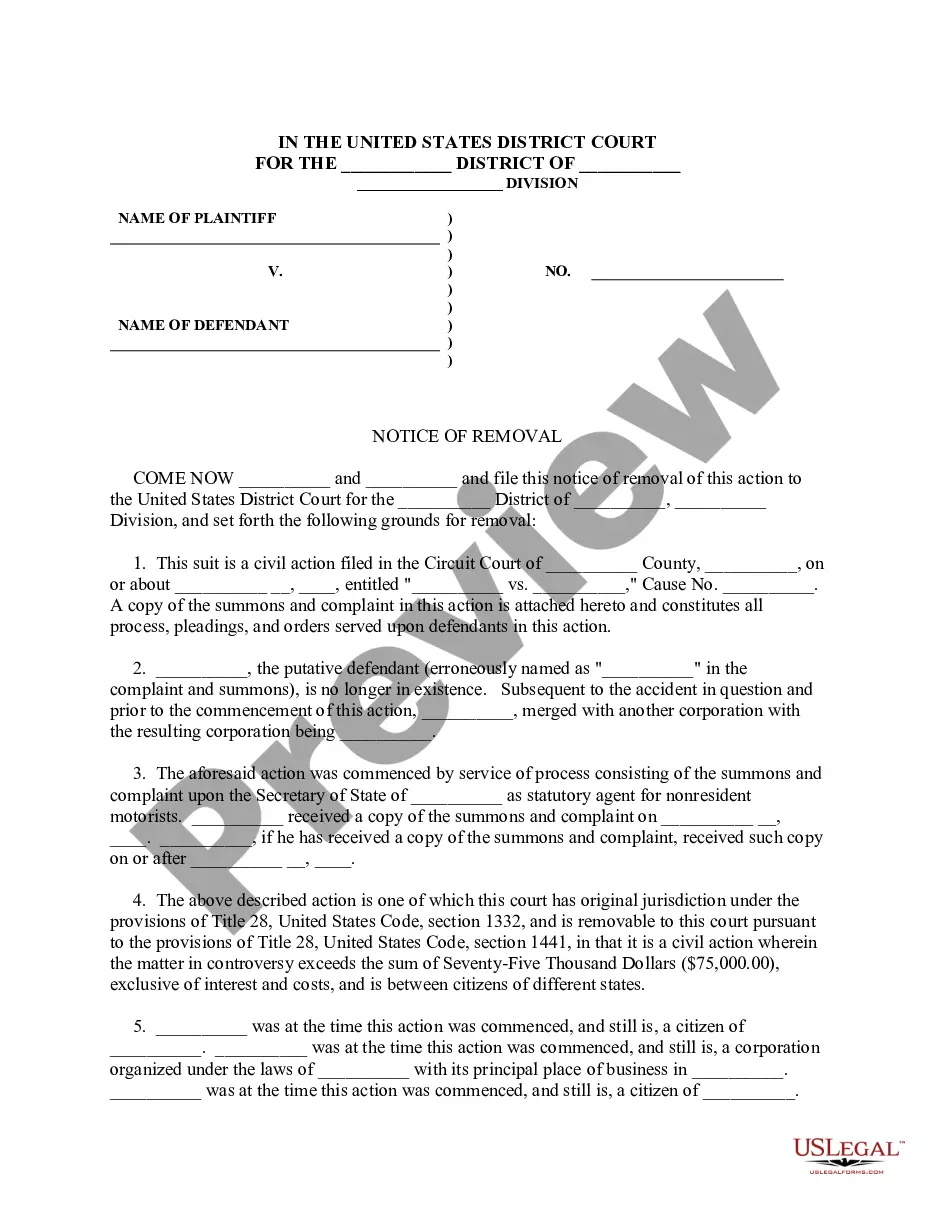
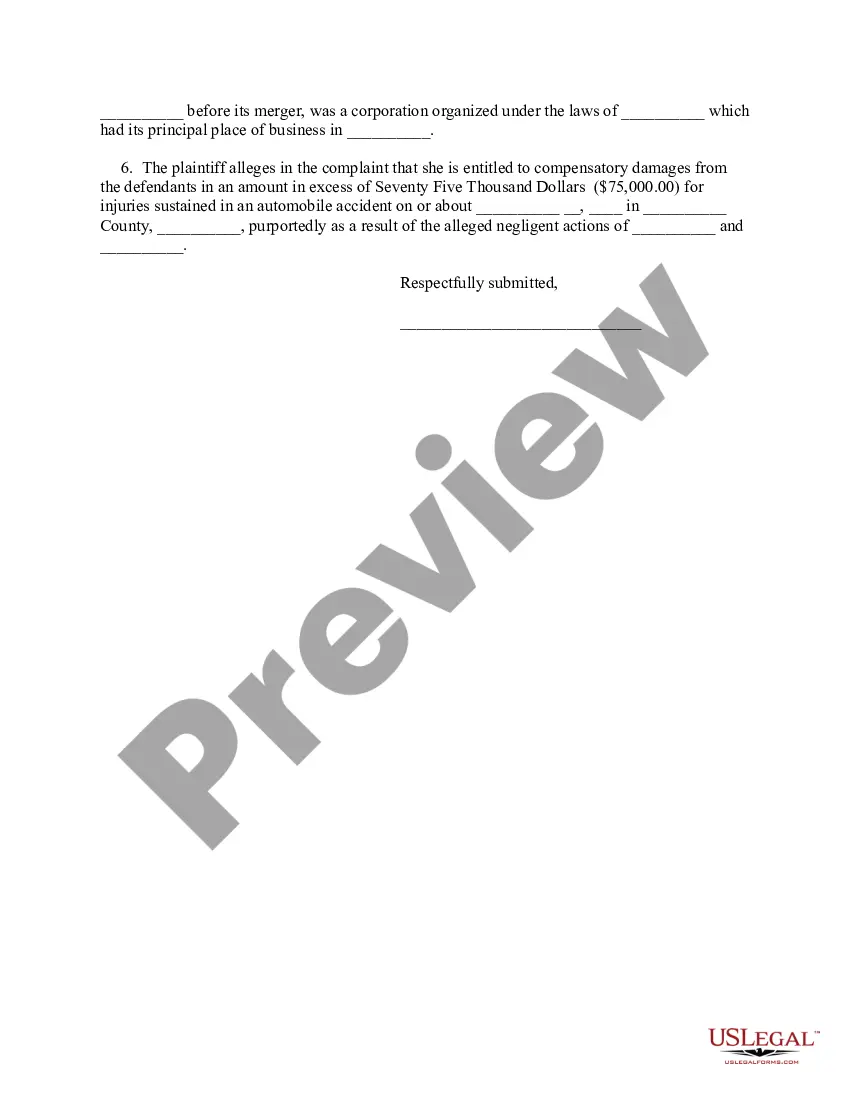
A defendant or defendants desiring to remove any civil action from a State court shall file in the district court of the United States for the district and division within which such action is pending a notice of removal signed pursuant to Rule 11 of the Federal Rules of Civil Procedure and containing a short and plain ...
The Order to Show Cause differs from a motion, because it can shorten the required notice time to the other parties. Since there are strict requirements as to how to make a motion, it is much easier to come to court in person and fill out an Order to Show Cause.
In general, a defendant must file a petition for removal in federal court, a notice of removal in the state court, and give notice of the removal to all parties in the action. 28 U.S.C. § 1446.
An Order to Show Cause is way to present to a judge the reasons why the court should order relief to a party. For example, a party can seek an order granting discovery, or dismissing all or part of an action by bringing an Order to Show Cause.
Notice of Removal: A notice that a defendant files in federal court to move a case from state court to federal court. The notice must explain why the case should be moved and include copies of all the legal documents that have been filed in the case.
Rule 56.1 Statement. Along with the required pre-motion conference request, any party seeking leave to file a motion for summary judgment must also file a Local Rule 56.1 Statement. Each numbered paragraph in the Rule 56.1 Statement must contain only one factual assertion.
A defendant or defendants desiring to remove any civil action from a State court shall file in the district court of the United States for the district and division within which such action is pending a notice of removal signed pursuant to Rule 11 of the Federal Rules of Civil Procedure and containing a short and plain ...
Deadlines. Once a case is served, the defendant has 30 days to remove it to federal court. If a case is not initially removable, but becomes removable later—due to amendment, joinder, or otherwise—this typically triggers the 30-day deadline from the date of the operative event.