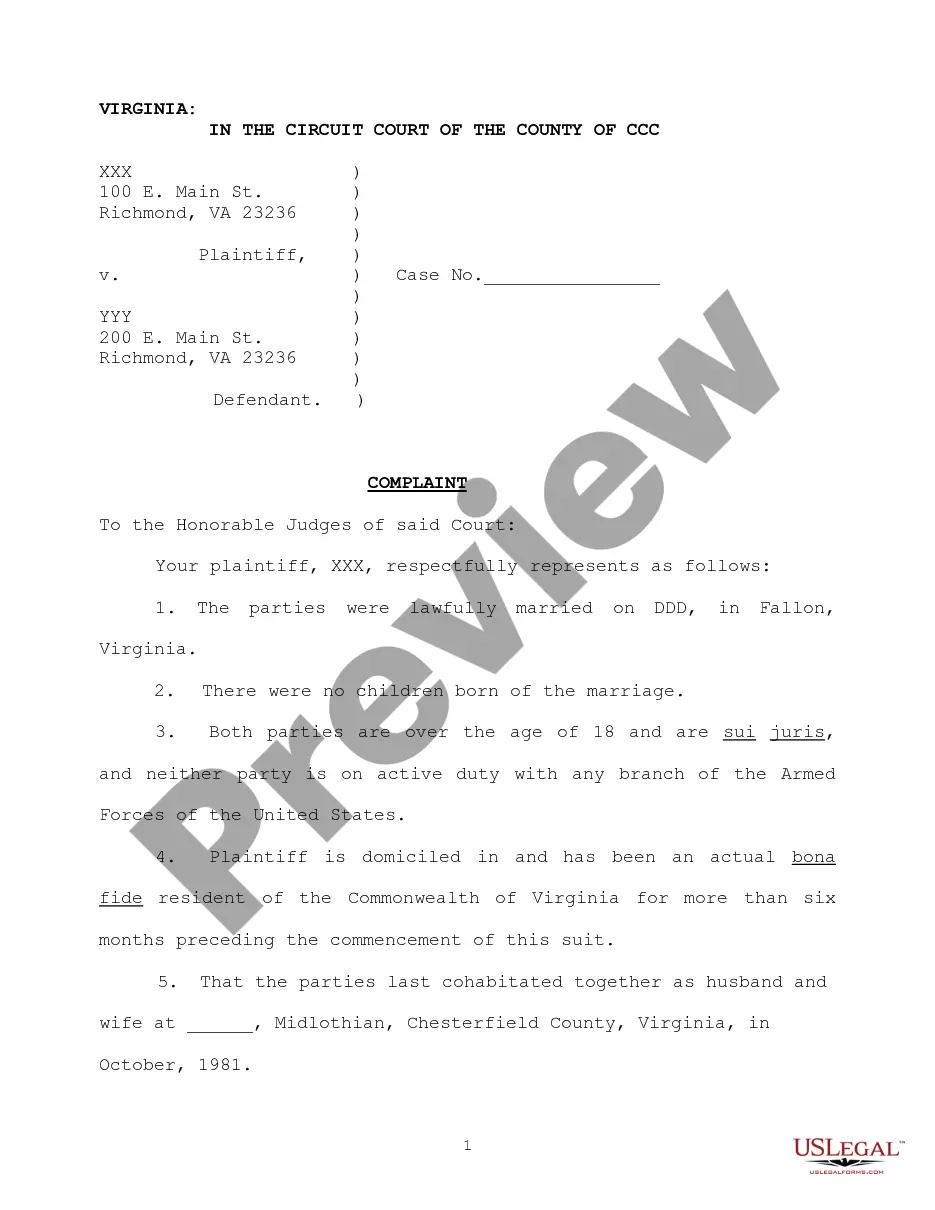
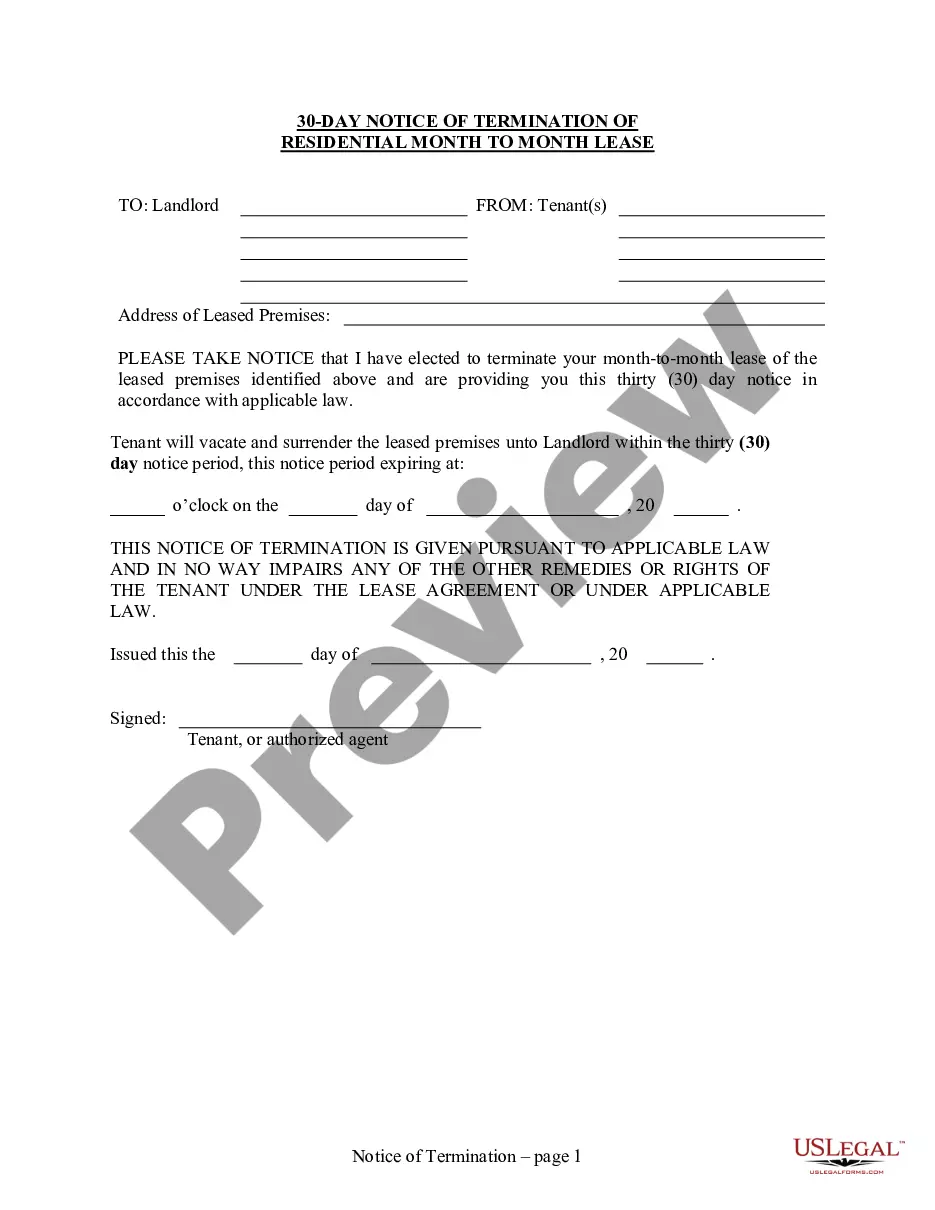
Notice Of Removal Template Forfeiture In Chicago
Description
Get your form ready online
Our built-in tools help you complete, sign, share, and store your documents in one place.
Make edits, fill in missing information, and update formatting in US Legal Forms—just like you would in MS Word.
Download a copy, print it, send it by email, or mail it via USPS—whatever works best for your next step.
Sign and collect signatures with our SignNow integration. Send to multiple recipients, set reminders, and more. Go Premium to unlock E-Sign.
If this form requires notarization, complete it online through a secure video call—no need to meet a notary in person or wait for an appointment.
We protect your documents and personal data by following strict security and privacy standards.

Make edits, fill in missing information, and update formatting in US Legal Forms—just like you would in MS Word.

Download a copy, print it, send it by email, or mail it via USPS—whatever works best for your next step.

Sign and collect signatures with our SignNow integration. Send to multiple recipients, set reminders, and more. Go Premium to unlock E-Sign.

If this form requires notarization, complete it online through a secure video call—no need to meet a notary in person or wait for an appointment.

We protect your documents and personal data by following strict security and privacy standards.
Looking for another form?



Form popularity
FAQ
TO CONTEST THE FORFEITURE OF THE PROPERTY IN UNITED STATES DISTRICT COURT YOU MUST FILE A CLAIM. Failure to file a claim may result in the seized property being forfeited to the United States. To file a claim: A claim must be filed with the agency that gave notice of the seizure and intent to forfeit.
The Supreme Court has generally upheld the principle of civil forfeiture. ing to the Justice Department, there are three main justifications for civil forfeitures: Punishment and deterrence. To punish and deter criminal activity by depriving criminals of property used or acquired through illegal activities.
The Innocent Owner Defense - This is the most common defense to forfeiture. You can use this defense if you got the seized property before, during, or after the time of the crime that made the property subject to forfeiture.
Civil Forfeiture An individual has the right to contest this seizure through a civil trial. In the trial, the government must prove that the property facilitated criminal activity or represents criminal proceeds.
The Illinois Search & Seizure Clause No warrant shall issue without probable cause, supported by affidavit particularly describing the place to be searched and the persons or things to be seized.” Ill. Const. 1970, art.
The U.S. Marshals Service processes Department of Justice Asset Forfeiture Program payments for various reasons, including but not limited to the payment of forfeited funds to victims of crime, State and Local Law Enforcement Agencies participating in the Department of Justice Equitable Sharing Program, and contract ...
Any vessel, vehicle, or aircraft used in the commission of certain crimes, which are listed in the text of the Illinois Criminal Code below, may be seized and delivered to the county sheriff. Within 15 days of the seizure, the sheriff must give notice of the seizure to the vehicles proprietor.
This means that you missed your court date and your bond was forfeited. Usually a judge will also issue a warrant for your arrest if you miss court and you bond forfeited, so you really should contact the clerk's office or your attorney to see if a warrant has been issued for your arrest on this case.
Either side in a case can file a motion. In some instances, a non-party may file a motion (for example, a motion to quash a subpoena issued in the case). Motions are electronically filed (e-file) with the court clerk where your case is being heard and are decided by a judge at a motion hearing.
If you want to file a motion, the process is generally something like this: You write your motion. You file your motion with the court clerk. The court clerk inserts the date and time your motion will be heard by the judge. You “serve” (mail) your motion to the other side.